How to Remove Smell From Kitchen Sink in 5 Easy Steps
A bad smell from the kitchen sink can make the whole room feel unpleasant, even when everything looks clean. If you’re wondering how to remove smell from a kitchen sink, you’re not…
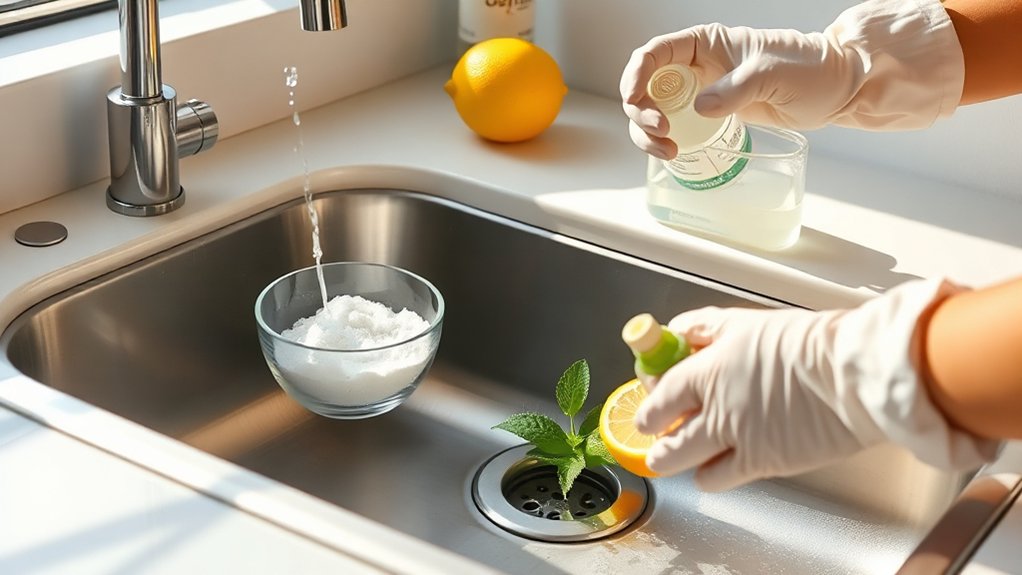
A bad smell from the kitchen sink can make the whole room feel unpleasant, even when everything looks clean. If you’re wondering how to remove smell from a kitchen sink, you’re not alone—many people struggle with lingering odors from food scraps, grease, or buildup in the drain. These simple steps can help you find the source and freshen things up.
Start by sniffing around the sink, drain, and cabinet to find where the smell is strongest. Next, clear any food scraps from the drain and scrub the stopper or strainer. Then flush the drain with hot water and a little dish soap to cut grease. Sprinkle in baking soda, let it sit, and rinse well. To keep odors away, rinse the sink often and clean the trap regularly for more simple fixes ahead.
Key Takeaways
- Sniff around the sink, drain, and cabinet to locate whether the smell comes from food buildup, leaks, or the P-trap.
- Check for slow drainage, loose fittings, damp spots, or standing water that may be causing the odor.
- Remove trapped food and grime from the drain opening, stopper, and strainer using gloves, a brush, or a flashlight.
- Flush the drain with hot water and dish soap to dissolve grease and reduce lingering kitchen sink odors.
- Sprinkle baking soda, let it sit, rinse with warm water, and maintain freshness with regular cleaning and flushing.
Find Where the Sink Smell Is Coming From

Before you clean anything, figure out where the smell is actually coming from. Start by sniffing around the sink, faucet base, drain opening, and cabinet below so you can find the source quickly.
Check whether the odor gets stronger after you run water, use the disposal, or open the cabinet door. If the smell lingers near the drain, the problem may sit in the trap, vent, or hidden buildup inside the pipe.
If it’s worse under the sink, inspect for damp spots, leaks, or a musty cabinet liner. You should also investigate plumbing connections for loose fittings, cracked seals, or standing water in the P-trap.
Run the tap and watch closely for drips or slow drainage, since both can trap odor. By narrowing down the exact spot, you’ll know what needs attention next and avoid wasting time on the wrong fix.
Remove Food Buildup From the Drain

Once you’ve found the source, clear out any food buildup sitting in the drain. Use a flashlight to spot trapped bits near the opening, then wear gloves and remove debris by hand or with a drain brush. This quick step tackles one of the most common odor sources before smells spread through your kitchen.
- Pull out visible scraps stuck around the drain lip.
- Scrub the stopper and strainer to remove gunk.
- Use a small brush to loosen residue inside the drain.
- Rinse away loosened particles so they don’t settle again.
Keep this task on your cleaning schedule, especially after cooking with leftovers or fibrous produce. When you stay consistent, you prevent new buildup from feeding bad smells. Don’t ignore the drain rim, either; grime there can keep releasing a sour odor even after the sink looks clean. A few minutes of careful cleaning now can make the rest of the fix much easier later.
Clear Grease With Hot Water and Dish Soap
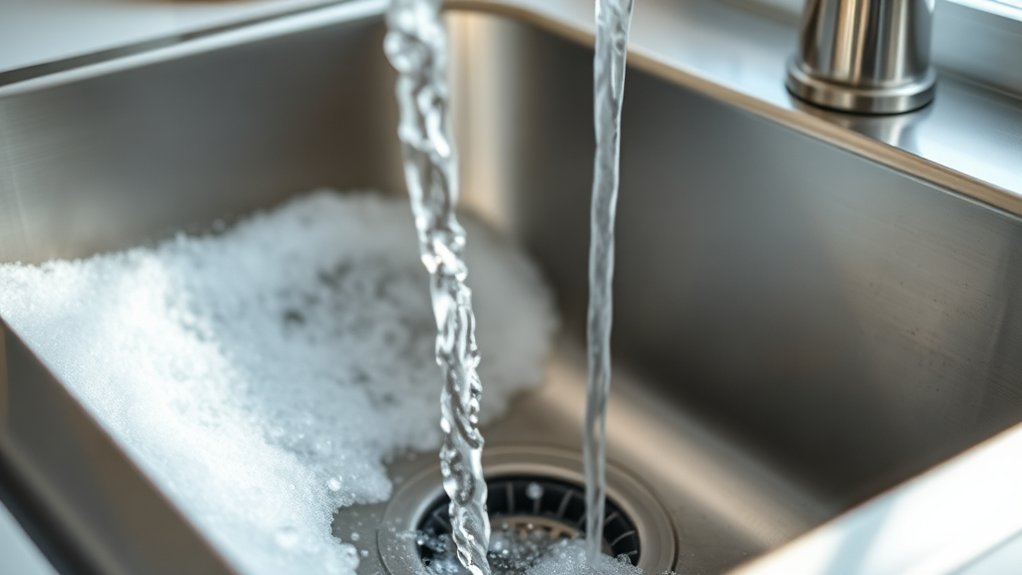
If greasy residue is causing the smell, flush the drain with hot water and dish soap to break it down. Pour a kettle of hot water slowly into the sink, then add a few drops of dish soap and let it slide through the pipe.
The heat softens grease, and the soap lifts it away. Repeat once if the odor lingers.
| Item | Amount | Purpose |
|---|---|---|
| Hot water | 1 kettle | Loosens grease |
| Dish soap | 2–3 drops | Cuts oily film |
| Vinegar | 1 splash | Helps rinse residue |
| Step | Action | Result |
| 1 | Heat water | Grease softens |
| 2 | Add soap | Film breaks up |
| 3 | Rinse again | Drain clears |
| 4 | Wipe sink | Smell drops |
| 5 | Check drain | Fresh finish |
Don’t overdo it; you’re only clearing grease, not scrubbing with baking soda yet.
Remove Kitchen Sink Odor With Baking Soda
Baking soda is one of the easiest ways to neutralize a kitchen sink odor. You can use it to lift stale smells without harsh chemicals. Sprinkle about half a cup into the drain, then add a little warm water to help it settle. Let it sit for 10 minutes, then rinse with more warm water.
- Freshens the drain fast
- Helps loosen light residue
- Works well after cooking cleanup
- Fits simple recycling habits and green routines
For a deeper clean, pour baking soda around the drain opening and scrub the rim with a damp sponge. This also helps if food particles linger after glassware cleaning or rinsing greasy dishes.
If you want a quick deodorizing boost, you can repeat the process once more the same day. Keep your motion gentle and steady, and you’ll notice the sink smells cleaner right away.
Keep Kitchen Sink Smells From Coming Back
To keep kitchen sink smells from coming back, make a habit of rinsing the drain with warm water after cooking and clearing away food scraps right away. You should also run cold water when grinding ice or disposing of small residue, since that helps flush buildup.
Rinse the drain with warm water after cooking and clear food scraps right away to prevent sink odors.
Wipe the sink basin, strainer, and stopper regularly, and don’t let damp sponges sit nearby. If you notice slow drainage, clean the trap before odor returns.
A monthly flush with baking soda and vinegar can help maintain freshness, but don’t overdo it. Check under the sink for leaks, because hidden moisture can feed bacteria and create stink.
You can also use a drain cover to catch debris before it slips inside. Stay focused on these habits instead of an unrelated topic or irrelevant discussion, and you’ll reduce odor fast.
Consistent care matters more than occasional deep cleaning, so keep up the routine.
Frequently Asked Questions
Can a Garbage Disposal Cause Sink Odors?
Yes, a garbage disposal can cause sink odors if food scraps, grease, or grime build up inside it. You might notice a sour or rotten smell when bacteria grow on the blades, splash guard, or drain line. Run cold water, grind ice and citrus, and clean the disposal regularly to help prevent sink odors. If the smell persists, you may need a deeper cleaning or plumbing check.
Should I Call a Plumber for Persistent Drain Smells?
Yes, you should call a plumber if persistent smells keep coming back after you clean the drain and disposal. You can try flushing the trap, scrubbing the disposal, and checking for clogs, but ongoing odors may point to venting issues, leaks, or buildup deeper in the pipes.
A plumber can find the source fast and fix it before the problem worsens or starts affecting your kitchen more.
How Often Should I Clean My Kitchen Sink Drain?
You should clean your kitchen sink drain once a week for quick maintenance, and more often if you notice odor sources building up. You can flush it with hot water, baking soda, and vinegar to keep grime from settling.
If you cook a lot or rinse greasy dishes, clean it every few days. Staying consistent helps you prevent smells, keep water flowing, and avoid bigger plumbing issues later.
Do Drain Flies Mean My Sink Has a Smell Problem?
Yes—drain flies often mean you’ve got a smell problem, like smoke hinting at a hidden fire. They breed in slimy gunk where food, grease, and standing water collect, so you should treat them as a warning sign.
Start an odor investigation by checking your drain, trap, and overflow holes. Clean the buildup, flush the line, and watch for leaks. If they return, you may need deeper cleaning or repairs.
Can Vinegar Help Remove Kitchen Sink Odors?
Yes, vinegar can help remove kitchen sink odors because its acidity supports odor neutralization and cleans light buildup. You’ll get the best vinegar effectiveness when you pour it down the drain, let it sit, then flush with hot water. It won’t fix severe clogs or hidden food debris, but it can freshen the drain and reduce mild smells fast. Use it regularly to keep odors from coming back.
Conclusion
By finding the source of the odor and clearing out food, grease, and grime, you can bring fresh air back to your kitchen fast. A clean sink isn’t just about smell—it’s the heartbeat of a healthy home.
Keep up with simple maintenance, and you’ll stop bad odors before they start. With a little effort now, you can keep your kitchen sink smelling fresh and your kitchen feeling welcoming every day.