How to Get Rid of Kitchen Gnats Fast
Kitchen gnats can turn a clean, comfortable space into a frustrating one—and you’re not alone; many people struggle to get rid of them. If you’re looking for the best ways to get…

Kitchen gnats can turn a clean, comfortable space into a frustrating one—and you’re not alone; many people struggle to get rid of them. If you’re looking for the best ways to get rid of kitchen gnats fast, this roundup will help you tackle the problem and keep them from coming back.
Get rid of kitchen gnats fast by finding and removing their source. Toss overripe fruit, empty trash, seal food, and rinse recyclables. Scrub drains and disposals with hot water and a stiff brush, then wipe sinks, counters, and sticky spills dry.
Empty standing water, fix leaks, and refresh damp towels and sponges. Set a simple apple cider vinegar trap with dish soap near activity spots. Keep going, and you’ll see the quickest way to stop them for good.
Key Takeaways
- Remove breeding sources fast: toss overripe fruit, empty trash, rinse recyclables, and seal food scraps in a bag.
- Dry all moisture sources: wipe sinks, counters, leaks, spills, and standing water; refresh damp towels and sponges.
- Clean drains thoroughly: scrub with a stiff brush and hot water, and clear sink stoppers, disposals, and drain rims.
- Set quick traps: use apple cider vinegar with dish soap in shallow bowls near sinks, fruit, and trash.
- Prevent return: store produce sealed or refrigerated, keep surfaces dry, and call pest control if gnats persist.
What Kitchen Gnats Are and Why They Appear

Kitchen gnats are tiny flying insects, usually fruit flies or fungus gnats, that show up when your kitchen gives them what they want: moisture, food residue, and places to breed.
You’re dealing with pests that use your sink, trash, fruit bowl, or damp mop head as easy access to food and shelter. If you’re wondering what gnats are, think of them as small opportunists that thrive indoors when conditions stay warm and damp.
They appear because even a few crumbs, overripe produce, or standing water can attract them fast. Once they settle in, they lay eggs in moist organic matter, and that’s how they breed so quickly.
You may only notice a few adults at first, but their numbers can rise fast if you don’t remove the conditions that support them.
Find the Kitchen Gnat Source
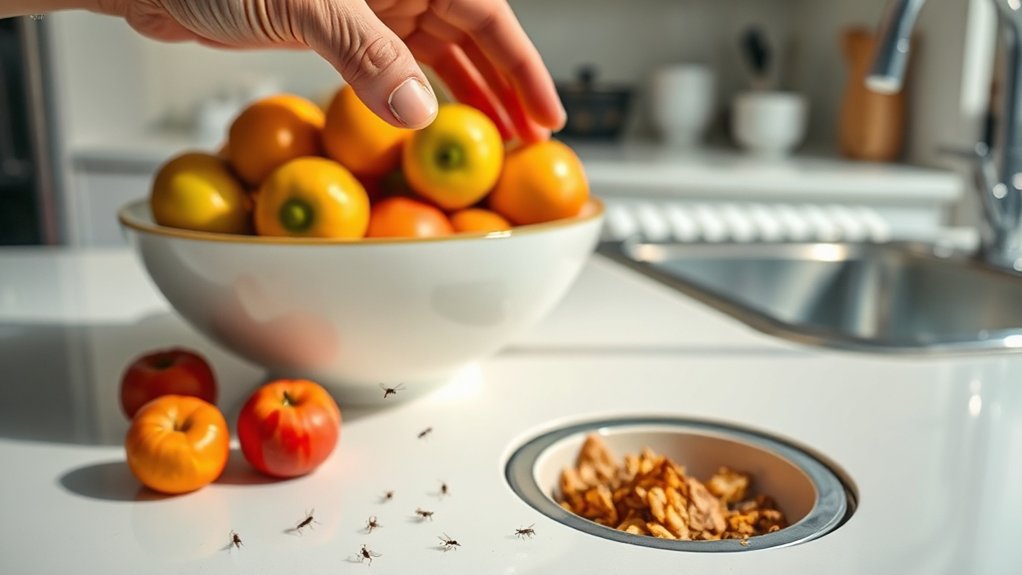
To get rid of kitchen gnats fast, first find where they’re breeding. Check the drains and sink for damp buildup, then look for hidden sources in your fruit and trash. Once you find the problem area, you can target it and help keep the gnats from coming back.
Check Drains And Sink
Could the source be hiding right under your nose? Check your sink and drains first, because gnats often breed in the slimy buildup inside pipes and overflow openings.
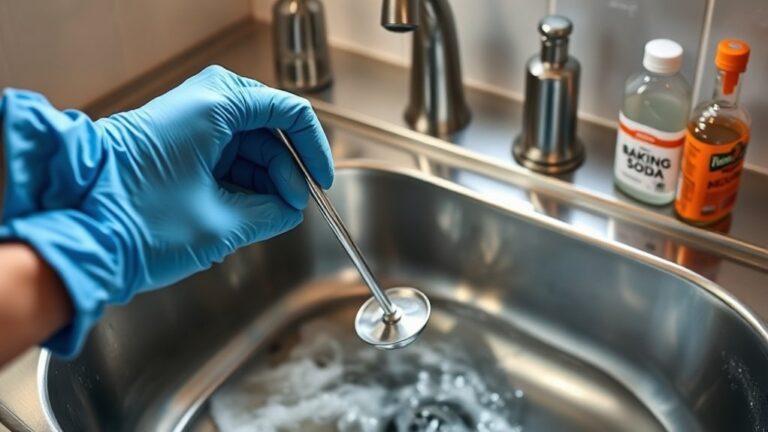
Run water, then shine a flashlight into the drain to look for moisture, sludge, or tiny flying adults. Scrub the drain with a stiff brush and a baking soda solution to break up organic film.
If your sink has a garbage disposal, clean around the rubber gasket and splash guard too. Wipe the basin dry after use and keep standing water away.
You can also add freshense scents with citrus oils nearby, but don’t rely on fragrance alone. The real fix is removing the damp breeding spot so gnats lose their place to hatch.
Inspect Fruit And Trash
If the drain isn’t the only culprit, check your fruit bowl and trash can next, since overripe produce and food scraps can attract gnats fast. Remove peaches, bananas, onions, and potatoes, then inspect fruit for soft spots, mold, or leaking juice. Toss anything too far gone, and store the rest in the fridge. Next, handle trash disposal quickly: empty the can, rinse sticky residue, and replace the liner.
- Check under fruit trays and bowls for hidden spills.
- Seal compost and garbage before gnats breed.
- Clean can lids, rims, and nearby counters.
- Repeat inspecting fruit and trash disposal daily until activity stops.
Throw Out Rotten Food and Trash

Start by tossing out any rotten produce, old leftovers, and trash that’s been sitting too long, since gnats breed quickly around decaying food. You should throw out rotten items as soon as you spot them, even if only part of the food looks spoiled.
Seal scraps in a bag before you move them, then take the bag outside right away. Don’t leave full bins in the kitchen overnight, and clean up spills around them so odors don’t attract more pests.
If you use a countertop compost pail, empty it often and rinse it after each use. Good trash disposal means keeping lids tight, lining bins properly, and wiping the surrounding area dry.
Check fruit bowls, pantry corners, and under appliances for hidden food that may have fallen and started to spoil. The faster you remove every source of decay, the less food gnats have to feed on and lay eggs nearby, which helps you cut the problem fast.
Clean Drains and Garbage Disposals
Food isn’t the only thing that attracts kitchen gnats—drains and garbage disposals can also become breeding spots when they collect slimy buildup. You can cut off that source by scrubbing the drain opening, flushing it with hot water, and using a stiff brush to reach the gunk inside.
Keep up regular drain maintenance so organic matter doesn’t sit long enough for gnats to thrive. For the disposal, run it with cold water and clean the splash guard, blades, and underside of the rubber flap.
Keep drains clean and the disposal clear so organic buildup doesn’t give gnats a place to breed.
Good disposal hygiene matters because even a thin film can support larvae.
- Scrub the drain rim and stopper.
- Flush the drain with hot water.
- Clean the disposal splash guard.
- Run the disposal after each use.
If you stay consistent, you’ll reduce odors, remove breeding sites, and make your kitchen far less inviting to gnats.
Wipe Up Spills and Sticky Residue
Spills and sticky residue give kitchen gnats exactly what they’re after: sugary, fermenting bits to feed on and breed in. You can cut off that food source fast by wiping spills as soon as they happen and scrubbing sticky residue from counters, floors, and appliance handles. Keep a spray cleaner and cloth handy so you can act before messes harden.
| Spot | What to do |
|---|---|
| Countertops | Wipe spills right away |
| Stovetops | Remove sticky residue |
| Floors | Clean drips near cabinets |
| Pantry areas | Store food in sealed containers |
Strong sanitation habits make your kitchen less inviting and help stop gnats from lingering. Don’t leave syrup, juice, or crumbs exposed, and check under jars, toasters, and dish racks where drips hide.
When you stay on top of cleanup, you remove the moisture and sugar gnats need, and you make every surface less attractive to them.
Set Kitchen Gnat Traps
Set out a simple fruit fly trap using a small bowl of apple cider vinegar and a drop of dish soap. Place it near your fruit bowl, trash can, or sink—wherever gnats tend to gather. Check it daily and refresh the mixture as needed to catch more gnats.
Fruit Fly Trap Setup
Want the fastest way to catch kitchen gnats before they spread? Set a simple fruit fly trap in your tiny kitchen and target the buzzing gnats fast. Use a small bowl or jar, then add apple cider vinegar, a drop of dish soap, and a paper funnel or plastic wrap with tiny holes. The scent lures gnats in, and the soap breaks surface tension so they sink.
- Pour vinegar into the container.
- Add soap and stir gently.
- Cover with a funnel or pierced wrap.
- Leave it where you spot activity and refresh daily.
Keep the trap clean, check it often, and replace the mixture when it weakens. This setup works quickly, so you can cut the swarm before it grows.
Best Trap Placement
Place your traps where gnats are actually flying, not just where you think they’re hiding. For the best placement, set traps near the sink, fruit bowl, trash can, and any damp sponge or drain.
Gnats follow moisture and food odors, so keep each trap within a few feet of the source. If you use sticky cards, stand them upright beside problem spots.
If you choose vinegar jars or baited cups, tuck them on counters but away from airflow. Different trap types work better in different spots, so test a few locations and watch which one catches fastest.
Move traps daily until activity drops. Don’t place them too close to open windows or fans, or you’ll pull gnats away from the bait and slow results.
Remove Standing Water and Moisture
Start by checking for any standing water around your kitchen, since gnats breed quickly in damp places. Focus on sinks, counters, trays, and the floor, then dry every wet surface right away.
Check for standing water in your kitchen, and dry every damp surface right away to slow gnat breeding.
This simple moisture management step cuts off the conditions gnats need to multiply, and it should guide your remediation prioritization.
- Empty and dry sink basins after each use.
- Wipe spills from counters, appliance edges, and cabinet tops.
- Check under sinks for leaks, drips, or pooled water.
- Refresh dish towels, sponges, and mats before they stay damp.
You should also improve airflow by opening a window or running a fan while you clean. Keep trash lids closed and empty any containers that collect liquid.
When you remove moisture fast, you make your kitchen far less inviting to gnats and support quicker control overall.
Use Natural Kitchen Gnat Remedies
Natural remedies can help you knock down kitchen gnats quickly without harsh chemicals. Mix apple cider vinegar with a few drops of dish soap in a shallow bowl, then place it near the problem area. The scent draws gnats in, and the soap traps them.
You can also set out a small dish of overripe fruit covered with plastic wrap and punched with tiny holes; the gnats fly in but struggle to escape. If you want another option, combine water, sugar, and yeast for an easy bait.
These DIY solutions work best when you refresh them often and place them where you see the most activity. You can also try a fine mist of diluted essential oils like peppermint or lemongrass around windowsills and counters.
Use these natural remedies as a quick, practical way to reduce the swarm and make your kitchen feel more manageable again.
Keep Kitchen Gnats From Coming Back
Once you’ve cleared out the gnats, the key is cutting off what attracted them in the first place. You can keep them from returning by staying consistent with a few simple habits. Clean spills right away, empty trash often, and rinse recyclables before you toss them.
Check fruit, onions, and potatoes for overripeness, then store them properly. Wipe sinks, drains, and counters so moisture doesn’t linger. Your tone and style should stay practical here: short reminders work best for audience engagement.
- Keep produce sealed or refrigerated.
- Scrub drains weekly with hot water.
- Take out food waste daily.
- Fix leaks and dry damp areas.
If you keep your kitchen dry, clean, and covered, gnats won’t find easy breeding spots. Make these steps part of your routine, and you’ll protect your space without extra effort.
Call a Pest Control Pro if Gnats Persist
If gnats keep coming back after you’ve cleaned and sealed everything, call a pest control pro. You may be dealing with hidden breeding sites, damaged drains, or a moisture problem you can’t spot on your own. A pro can inspect your kitchen, identify the species, and target the source instead of just killing flying adults. That saves you time and keeps the problem from spreading to nearby rooms.
Ask about a two word idea and a two word idea during the visit so you know what’s driving the infestation and how to prevent it. Follow the treatment plan, whether it includes drain cleaning, baiting, or moisture control. If you’ve tried traps, sanitation, and sealing cracks with no luck, professional help is the fastest way to get relief and protect your kitchen long term.
Frequently Asked Questions
How Long Do Kitchen Gnat Eggs Take to Hatch?
Kitchen gnat eggs usually hatch in about 24 to 72 hours, depending on temperature and moisture. Warm, damp spots speed things up, so you’ll see quicker hatching when conditions are ideal.
After that, the larvae enter rapid larval development and keep feeding on moist organic matter. If you’re tracking diet timing, know that food and moisture nearby can shorten the whole cycle, so cleanup really matters.
Can Kitchen Gnats Bite Humans or Pets?
Kitchen gnats usually don’t bite humans or pets, so you’re unlikely to get itchy welts from them. You might notice them hovering around food or drains instead. Most kitchen gnats feed on moisture, decaying matter, and fruit, not blood.
If you’re worried about gnats biting, look for another insect. For gnats pets, they’re more of a nuisance than a danger, but you should still remove them quickly.
Are Kitchen Gnats the Same as Fruit Flies?
No, you’re not seeing twins; you’re seeing different pests. In are kitchen gnats vs fruit flies, the differences in identification show up in body shape, color, and habits.
Fruit flies like ripe produce and trash, while emerging compost gnat habits favor damp soil and drains. You’ll notice indoor vs outdoor pest dynamics too, since gnats often drift from plants, and fruit flies usually stay near food and fermentation.
Do Kitchen Gnats Spread Diseases in Homes?
Kitchen gnats usually don’t spread serious diseases in your home, but they can carry bacteria from drains, garbage, or rotting food onto surfaces and food. You should treat them as a hygiene issue, not just a nuisance.
Keep up kitchen sanitation by cleaning spills, taking out trash, and drying sinks. Good pest prevention also helps you stop breeding spots, so you can reduce gnats and protect your home quickly.
Will Houseplants Attract Kitchen Gnats Indoors?
Yes, houseplants can attract kitchen gnats indoors, especially if you overwater them. About 90% of fungus gnat problems start in moist potting soil, so you should let the top inch dry out between waterings.
Good houseplants care means checking drainage, removing fallen leaves, and using sticky traps if needed. For indoor pests prevention, you can inspect new plants and avoid letting water sit in saucers.
Conclusion
Now you know how to get rid of kitchen gnats fast and keep them from coming back. By finding the source, tossing spoiled food, cleaning drains, and wiping up spills, you can cut off their breeding spots like pulling weeds from a garden.
Stay on top of moisture and use natural remedies when needed. If the gnats still linger, call a pest control pro. With a little effort, you’ll reclaim your kitchen.