7 Factors That Affect How Much to Fit a Kitchen
Planning a kitchen renovation can be exciting, but figuring out how much it costs to fit a kitchen can feel overwhelming. You’re not alone—many people struggle to compare quotes and work out…

Planning a kitchen renovation can be exciting, but figuring out how much it costs to fit a kitchen can feel overwhelming. You’re not alone—many people struggle to compare quotes and work out which choices will affect the final price.
How much it costs to fit a kitchen depends on seven main factors: room size, layout, cabinets and worktops, appliances, plumbing, electrical work, and labour rates. Bigger or awkward spaces need more materials and time, while premium finishes and integrated appliances quickly raise the bill. Moving sinks or adding circuits adds cost too. Your final price also depends on where you live and who you hire, so the details matter more than the headline quote.
Key Takeaways
- Kitchen size and layout affect labour, materials, and fitting time.
- Cabinet, worktop, and finish choices strongly change supply and installation costs.
- Appliance type and extra appliances increase both fitting and electrical costs.
- Plumbing, electrical upgrades, and compliance checks add to the total price.
- Labour rates, location, and quote structure influence the final budget.
How Much Does It Cost to Fit a Kitchen?
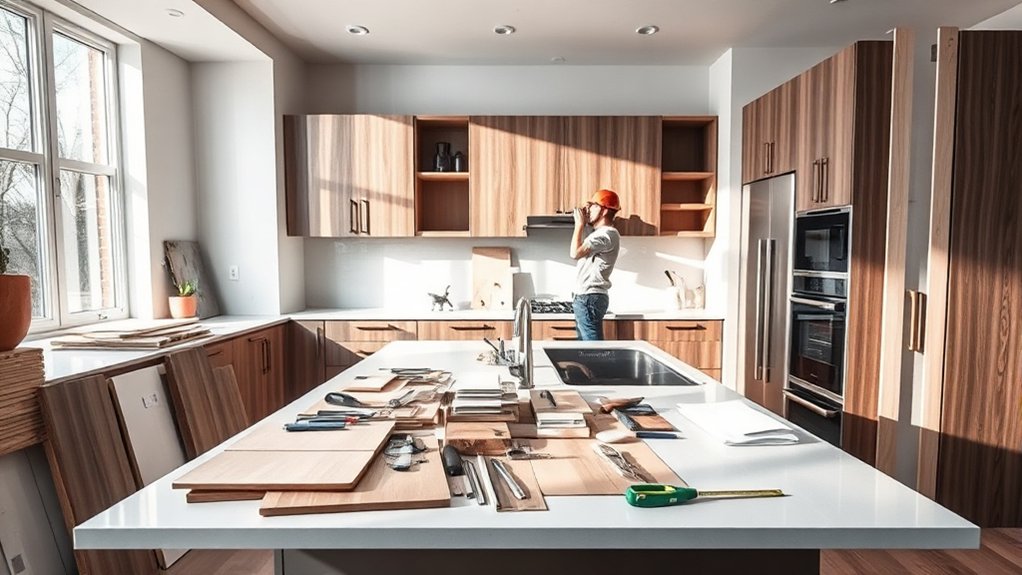
How much does it cost to fit a kitchen? You’ll usually spend anywhere from a few thousand pounds for a basic refit to well over £20,000 for a high-end scheme. Your final price depends on the kitchen design you choose, the materials you pick, and whether you want custom features. If you keep the layout simple and reuse some appliances, you can lower the bill. If you want premium cabinets, stone worktops, and integrated appliances, expect costs to climb quickly.
Good budget planning helps you avoid surprises. You should set a clear spending limit before you start, then split it between units, labour, plumbing, electrics, and finishing touches. Ask for detailed quotes so you can compare like for like. You’ll also save money if you decide early what matters most to you, then stick to it throughout the project.
How Room Size Changes Kitchen Fitting Costs
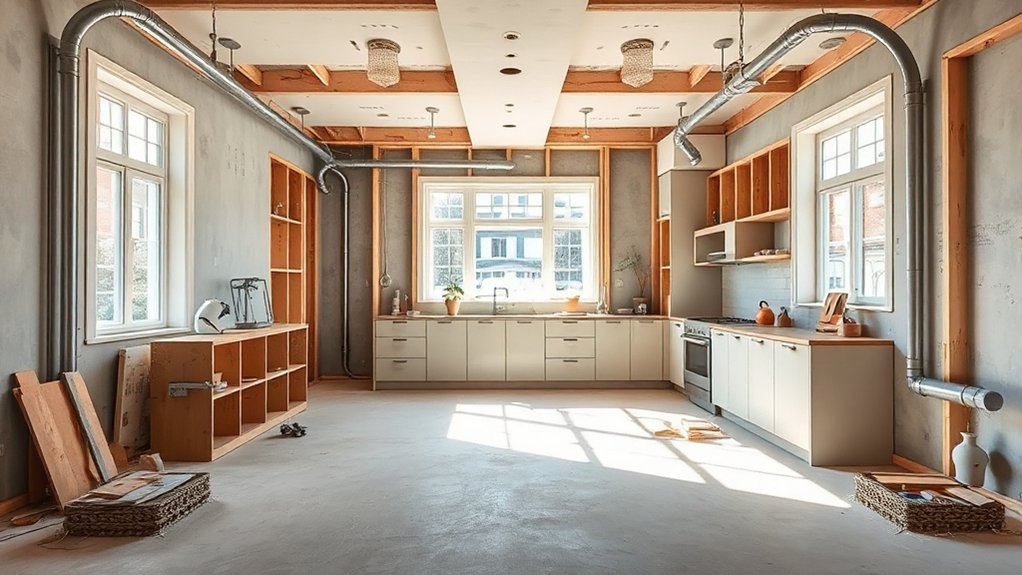
Room size plays a big part in what you’ll pay to fit a kitchen. When your room dimensions are larger, you usually need more cabinets, worktops, flooring, and paint, so material and labour bills rise.
A bigger wall area also means more time measuring, cutting, and fixing units, which can push the price up. In a small kitchen, you may spend less on materials, but tight access can slow the fitters down.
| Room size | Cost impact |
|---|---|
| Small | Lower material use, often quicker fitting |
| Medium | Moderate materials and labour |
| Large | More units, more finishes, higher cost |
| Irregular | More cutting and fitting time |
You should also expect extra waste in bigger spaces, since offcuts and surplus materials add up. If you measure carefully before ordering, you can keep your estimate realistic and avoid paying for more than you need.
Why Layout Complexity Costs More

Even if two kitchens are the same size, a more complicated layout can still push fitting costs up. When your plan includes awkward corners, angled walls, or multiple runs, your fitter spends more time measuring, cutting, and adjusting. That extra labour adds up quickly, so layout budgeting needs to account for each turn, junction, and obstruction. If you want a smoother installation, a simpler arrangement usually helps keep costs steadier.
Complex layouts can also reduce design flexibility during the fitting stage. Your installer may need to shift pipe routes, electrical points, or appliance positions to make everything work cleanly. Those changes take skill and time, and they can create more chances for delays. Even small decisions, like moving a sink away from a straight wall line, can make the job harder. By planning carefully early on, you’ll control surprises and keep your kitchen fitting quote more predictable overall.
How Cabinets and Worktops Affect the Price
Your cabinet choice can quickly change the total cost, as materials vary widely in price. Higher-end cabinets usually cost more to supply and fit, so it’s worth balancing the look you want with your budget. Worktops add to the bill too, and installation can cost more when a material needs extra care or precision.
Cabinet Material Costs
Cabinet materials can change your kitchen fitting cost more than almost any other choice, because they affect both supply price and installation time. You’ll usually pay less for chipboard units and more for solid wood or premium veneered carcasses.
The finish also matters, since painted doors and bespoke details take longer to make and fit. With cabinet material costs, you should compare what’s supplied ready to install and what needs extra cutting or adjustment.
Offsite manufacturing can help lower labour time, but only if the units arrive accurately made.
| Material | Effect |
|---|---|
| MDF | Lower cost |
| Chipboard | Budget-friendly |
| Plywood | Mid-range |
| Solid wood | Higher cost |
| Custom finish | Adds cost |
Worktop Installation Fees
Worktops can shift your kitchen fitting cost just as much as the cabinets themselves, because the material, thickness, and cut-outs all affect labour time and waste.
You’ll pay more when you choose stone, quartz, or solid wood, since each one needs specialist handling and careful worktop installation. If your layout includes sinks, hobs, or corner joints, the fitter has to measure, cut, and seal everything accurately.
Poor countertop sizing can also create extra charges if panels need trimming or replacing. You may save money with simple laminate, standard lengths, and fewer joins.
But don’t cut corners on fitting, because a bad joint or uneven edge can ruin the finish and lead to costly repairs later.
How Appliances Affect the Cost
Appliances can quickly push kitchen fitting costs up or down, depending on whether you choose freestanding models, built-in units, or premium integrated options. If you pick standard appliances, you’ll usually keep costs lower because installation is simpler and appliance placement is more flexible.
Built-in ovens, hobs, and fridge freezers often cost more since they need accurate measurements, matching housings, and careful fitting for a seamless look. You’ll also pay more for premium brands, smart features, and high energy efficiency ratings, especially when those choices come with better finishes or specialist sizes.
Think about how many appliances you really need, because adding extras like a wine cooler or separate freezer can raise both the supply bill and the fitting charge. To control your budget, compare like-for-like models, check dimensions before ordering, and choose appliances that suit your layout without forcing custom cabinet changes.
How Plumbing and Electrical Work Affect Costs
Moving sinks, dishwashers, or gas lines can quickly increase your kitchen fitting costs. You may also need electrical upgrades for new appliances, extra outlets, or safer wiring. And don’t forget inspection and compliance fees—approved work helps ensure your kitchen meets local rules.
Plumbing Relocation Costs
How much will plumbing relocation add to your kitchen fitting bill? It can raise costs quickly when you move sinks, dishwashers, or washing machine points. You’ll pay for new pipe runs, wall chasing, floor lifting, and reconnecting fixtures.
Older homes often bring retrofit challenges, especially when access is tight or existing pipework sits far from your new layout.
| Factor | Cost impact |
|---|---|
| Short pipe move | Low |
| Long reroute | High |
| Difficult access | Higher |
If you keep appliances near current supplies, you’ll usually spend less. But if you change the kitchen layout a lot, expect more labour and materials.
Ask for a survey first, so you can spot hidden work and avoid nasty surprises later.
Electrical Upgrade Requirements
Electrical upgrades can quickly push up your kitchen fitting cost, especially if your new layout needs extra sockets, dedicated appliance circuits, or a consumer unit update. You may also need to move wiring to suit an island, fridge, oven, or extractor, and that adds labour and materials.
If your existing panel capacity can’t support the extra load, you’ll face more electrical upgrade requirements, which can mean a larger scope of work and higher costs. You should plan for hidden access work too, since walls, floors, and ceilings may need opening and repairing.
Choosing modern appliances with higher power demands can increase the budget further. Getting the electrics right early helps you avoid delays, keep the kitchen usable, and prevent expensive changes once installation has started.
Inspection And Compliance
Beyond the visible installation work, inspection and compliance checks can add to your kitchen fitting cost because plumbing and electrical changes often need certification, testing, and sign-off. You’ll pay more if your installer must coordinate with building control, gas engineers, or certified electricians.
That’s especially true when pipe rerouting, new circuits, or appliance relocation affects design feasibility. If inspectors find issues, you may face delays, rework, and extra call-out fees.
Good inspection timing helps you avoid surprises, so book checks early and align them with the installation schedule. You should also keep records of certificates, because lenders, insurers, and future buyers may ask for them.
When you plan for compliance from the start, you protect your budget and keep the project moving.
Why Labour Rates and Location Matter
Labour rates can shift your kitchen fitting cost more than you might expect, and where you live often plays a big part. In busy cities, you’ll usually pay more because tradespeople face higher overheads, stronger demand, and longer travel times.
Labour rates can change your kitchen fitting cost more than you might expect, especially in busy cities.
In smaller towns, you may find lower quotes, but availability can be tighter. That’s why labour rates and location matters when you compare estimates.
You shouldn’t just look at the headline price either; ask what’s included, such as plumbing, electrics, disposal, and finishing. Some fitters charge by the day, while others quote for the whole job, so the structure affects your total.
If your kitchen needs extra visits or specialist work, costs climb fast. You can save money by getting several local quotes and checking exactly what each one covers. Clear communication helps you avoid surprises and keeps your budget realistic from the start.
Frequently Asked Questions
How Long Does a Kitchen Fitting Usually Take?
A kitchen fitting usually takes one to three weeks, depending on the size of your kitchen and the work involved. You’ll need to factor in timing considerations like plumbing, electrics, and any structural changes, which can slow things down.
Your budgeting impacts may also shift if unexpected issues come up during removal or installation. If you plan well and keep trades coordinated, you can help the project finish on schedule.
Can I Fit a Kitchen Myself to Save Money?
Yes, you can fit a kitchen yourself to save money if you’ve got the skills, tools, and time. A do it yourself approach can deliver real budget saving, but mistakes can cost more later. You’ll need to handle measuring, plumbing, electrics, and cabinet fitting carefully. If you’re unsure, you should hire pros for tricky jobs and do the simpler work yourself to keep control of costs.
Do I Need Planning Permission for a New Kitchen?
Usually, you won’t need planning permission for a new kitchen if you’re replacing units in the same space. You may need it if you’re extending, changing the property’s use, or live in a listed building.
You’ll still need to follow building regulations for electrical work, plumbing, ventilation, and structural changes. Check with your local authority before you start, so you don’t face delays, extra costs, or problems later.
What Warranties Come With Fitted Kitchen Work?
You’ll usually get a manufacturer’s warranty on cabinets, worktops, appliances, and fittings, plus installer workmanship cover on the labor. Think of it like a safety net under your new kitchen.
Check warranty coverage carefully for length, exclusions, and what counts as wear and tear. Good fitters also offer service postinstallation, so you can report snags quickly and get them sorted without fuss.
How Do I Choose the Right Kitchen Fitter?
You choose the right kitchen fitter by checking experience, reviews, and clear pricing. Ask for photos of past work, references, and a written quote that spells out labour, materials, and timings. Compare your options carefully, but don’t pick on cost alone.
You’ll want someone who listens, communicates well, and offers guarantees. Choosing a fitter wisely means trusting their skill and reliability. Consider price only after you’ve judged quality and fit.
Conclusion
So, when you fit a kitchen, you’re not just buying units and appliances. You’re bringing together size, layout, materials, and skilled labour to create a finished space.
A simple room can keep costs in check, while a tricky design can send them climbing like a hill in a storm. Keep your priorities clear, compare quotes, and plan wisely to find out how much to fit a kitchen without nasty surprises.