How to Get Rid of Ants in the Kitchen Step by Step
Ants marching across your kitchen counter can make it hard to feel comfortable preparing food. You’re not alone—many people struggle to keep these persistent pests out. The right ant-control products can help…

Ants marching across your kitchen counter can make it hard to feel comfortable preparing food. You’re not alone—many people struggle to keep these persistent pests out. The right ant-control products can help you tackle the problem step by step.
First, find what’s attracting ants in your kitchen: food crumbs, spills, standing water, and easy entry points. Wipe trails with soapy water or vinegar, clean counters, sweep corners, and seal food in airtight containers. Place the right bait stations along active paths, but don’t spray repellents nearby. Seal cracks around baseboards, windows, and pipes, then keep checking for activity. If ants keep coming back, you’ll want the next steps that stop the colony for good.
Key Takeaways
- Wipe ant trails with soapy water or vinegar, then clean crumbs, spills, and trash to remove food scents.
- Find entry points by following trails, then seal cracks around baseboards, windows, pipes, and cabinets with caulk or weatherstripping.
- Place species-appropriate bait stations along active ant paths, away from repellents, and replace them when empty or dirty.
- Reduce kitchen attractants by sealing food, drying sinks and sponges, emptying pet bowls, and keeping counters and floors dry.
- Keep monitoring daily; if ants persist after sealing and baiting, call a pest control professional.
How to Get Rid of Ants in the Kitchen

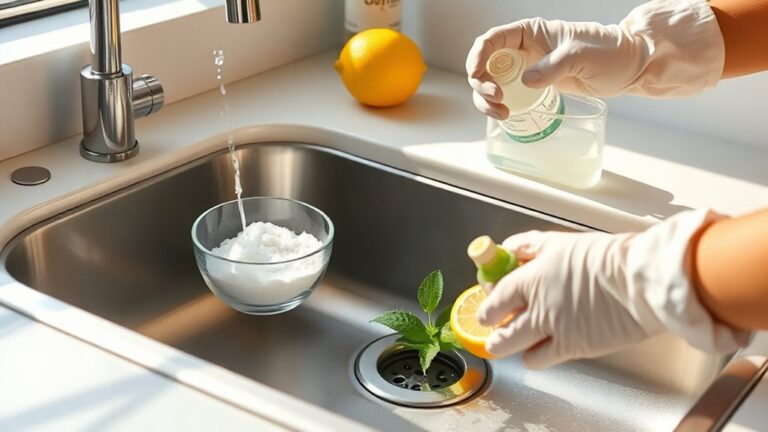
If you’ve spotted ants marching across your counters, you need to act fast. First, wipe their trail with soapy water or vinegar to disrupt pheromone signaling, then clean every crumb and spill.
Wipe ant trails with soapy water or vinegar, then clean every crumb and spill to stop their signal.
Next, trace the line to locate entry points and seal cracks around baseboards, windows, and pipes. Use bait stations that match the ant species you’re seeing, since different ants prefer different foods.
Place them along active paths, but don’t spray repellent nearby, or you’ll drive them away from the bait. Keep food sealed, rinse dishes promptly, and empty trash often.
Check pet bowls and compost areas too, because they can keep ants coming back. If activity stays heavy after several days, replace old bait and try a different formula.
Stay patient; colonies die off best when workers carry poison back to the nest. With consistent cleaning, sealing, and baiting, you can clear your kitchen and prevent another invasion.
Find What’s Attracting Ants Indoors

Check for food crumbs and spills first—even tiny bits can attract ants to your kitchen. Next, look for moisture indoors, such as leaky pipes, wet sinks, or damp towels. Ants need water, too. Finally, inspect windows, baseboards, and cracks for hidden entry points where ants might slip inside.
Food Crumbs and Spills
Food crumbs and spills are usually the biggest reason ants show up in your kitchen, so checking for them is the first step. You should scan counters, floors, and appliance edges for tiny bits of food that ants can easily find.
Wipe away sticky residue, sweep under tables, and clean around toasters, microwaves, and cutting boards. Put away snacks, cereals, and pet food in sealed containers, and follow food safety habits that limit access.
When you store leftovers, use clear labels and follow labeling rules so you don’t leave food out too long. Empty trash often, rinse recycling items, and check cabinet shelves for hidden crumbs.
A quick daily cleanup removes the scent trails ants follow and helps keep your kitchen less inviting.
Moisture Sources Indoors
Moisture can attract ants just as much as crumbs can, so check for leaks, damp spots, and standing water in your kitchen. Ants need water to survive, and your sinks, dish racks, and pet bowls can become reliable targets.
Use moisture management to keep surfaces dry, and practice humidity monitoring if your kitchen feels sticky.
| Moisture source | What you should do |
|---|---|
| Sink drips | Fix them quickly |
| Wet sponges | Wring and dry them |
| Pet bowls | Empty excess water |
| Counter puddles | Wipe them right away |
| Humid air | Ventilate the room |
When you remove easy water access, you make your kitchen far less inviting. Stay consistent, because ants notice damp conditions fast and keep coming back if you don’t.
Hidden Entry Points
Where are ants slipping in from? Start your ant forensics by checking the places you usually ignore: gaps around baseboards, cracked caulk, loose window screens, pipe cutouts, and the space under doors. Ants don’t need much; tiny hidden entryways can become highways into your kitchen.
You’ll also want to inspect wall outlets, backsplash seams, and the edges of cabinets near plumbing. Follow the trail at dawn or dusk, when ants are most active, and mark each route you find.
Then seal openings with caulk, weatherstripping, or mesh where needed. If you don’t block these access points, ants will keep returning, no matter how clean your counters are. Finding and closing entry points cuts off their path and helps you stop the infestation at its source.
Clean Up Food and Water Sources

Wipe up crumbs right away so ants don’t find an easy meal. Keep counters, floors, and tables clean after preparing food or having a snack. And fix leaky faucets and clean up spills promptly—ants need water, too.
Remove Crumbs Immediately
Crumbs and spills are an open invitation to ants, so wipe them up right away. Sweep counters, tables, and floors after every meal, and don’t let sticky spots linger. Use a damp cloth or paper towel to grab sugar, cereal, and sauce before ants find them.
Pay extra attention to appliance edges, cabinet corners, and the space under cutting boards. If you notice crumbs near baseboards or small gaps, consider crack repair to block easy access points.
Keep food sealed and stored off the counter, and check that pet bowls stay clean to support pet safety and reduce bait for pests. When you stay on top of tiny messes, you remove the scent trails ants use and make your kitchen far less inviting.
Fix Leaky Water Sources
Fix leaks fast, because ants need water as much as they need food. Check under sinks, behind the fridge, and around the dishwasher for damp spots. Tighten loose fittings, replace worn washers, and keep sealing leaks before moisture attracts ants.
Don’t ignore tiny puddles; even a slow drip can feed a trail. If you spot condensation, dry it right away and improve airflow.
| Area | What to Check | Action |
|---|---|---|
| Sink | Drips, loose pipes | Tighten or replace parts |
| Fridge | Condensation, puddles | Wipe dry and inspect |
| Dishwasher | Hose leaks | Repair or call help |
Stay consistent with fixing drips, and you’ll remove an easy water source. Dry surfaces make your kitchen far less inviting to ants.
Kill Ant Trails in the Kitchen
Start by wiping away the visible ant trail with hot, soapy water, then dry the area completely so no scent path remains. Spray the same route again with a vinegar solution or another safe cleaner, because ants follow chemical signals left behind by scouts.
Rewash counters, baseboards, and floor edges where the line appeared, and rinse cloths often so you don’t spread residue. For stronger ant deterrent strategies, sprinkle a thin barrier of cinnamon, peppermint oil, or diatomaceous earth near the path after cleaning.
These quick steps disrupt indoor foraging behavior and make your kitchen less attractive right away. Keep food sealed, crumbs cleared, and pet bowls clean so ants don’t find an easy reward.
If the trail returns, repeat the cleaning daily for a few days until traffic stops. Consistency matters, because one missed streak can let the colony rebuild its route quickly.
Seal the Entry Points Ants Use
Next, trace where the ants are getting in and seal those openings with caulk, weatherstripping, or foam sealant. Check baseboards, window frames, plumbing gaps, and spots where wires or pipes enter walls.
Use a flashlight to spot tiny cracks and follow ant movement to the source. For narrow gaps, apply crack sealing material smoothly and press it in so ants can’t squeeze through.
Around doors and windows, add fresh weatherstripping to close loose edges and improve entryway sealing. If you find damaged grout or gaps under trim, repair them right away.
Inspect cabinets, sinks, and counters too, because ants often exploit hidden openings near food and moisture. After sealing, wipe away dust and old debris so the repairs bond well.
Recheck the kitchen after a day or two, since ants may test weak points again. Solid sealing blocks their access and helps keep your kitchen protected.
Use Ant Traps and Baits
Once you’ve sealed the easy entry points, use ant traps and baits to target the colony itself. Place ant traps where you’ve seen trails, and choose bait stations that match the ants’ preferred food.
Don’t spray repellents nearby, because you want workers to carry the bait back to the nest. Check the stations daily and replace them when they’re empty or contaminated. Keep them out of reach of kids and pets, and follow the label exactly.
| Placement | Purpose |
|---|---|
| Along visible trails | Intercepts foragers |
| Near sinks | Captures moisture-seeking ants |
| By appliances | Catches traffic routes |
| Beside trash areas | Targets food sources |
| Behind small gaps | Reaches hidden paths |
Use multiple ant traps for a stronger result, but avoid crowding them. If activity drops, keep them in place a few more days. Consistency helps you wipe out the colony, not just the ants you see.
Treat Ant Hot Spots in Cabinets and Baseboards
Now that you’ve set baits, focus on the spots ants love to hide and travel through: cabinets and baseboards. Inspect each ant hotspot with a flashlight, then wipe away trails with warm soapy water or vinegar solution.
Pay close attention to cabinet crevices, hinge corners, and the narrow seam where trim meets the floor. If you spot ants entering through a gap, seal it with caulk after the area dries.
Seal gaps where trim meets the floor with caulk after cleaning and drying the area.
Vacuum crumbs, dust, and dead insects from along baseboards, then empty the vacuum outside so ants don’t return.
For stubborn activity, apply a targeted residual insecticide only in cracks and hidden edges, following the label exactly. Avoid spraying broad surfaces or overusing products; you want to disrupt trails, not spread residue where you don’t need it.
Check these areas daily for a week, and repeat cleaning if ants reappear. Consistent attention here helps break the colony’s access routes and keeps the kitchen under control.
Protect Food Storage Areas From Ants
Keep pantry zones off-limits to ants by making food storage as sealed and tidy as possible. Transfer dry goods into airtight containers, and don’t leave cereals, sugar, or pet food in torn bags.
Wipe can rims, jar lids, and shelves after each use so crumbs and sticky residue don’t attract pests. Use shelf organization to keep older items in front and new purchases behind, which helps you spot spills and damaged packaging fast.
Add pantry labeling so you can identify contents quickly and avoid opening multiple containers while cooking. Store snacks, grains, and baking supplies on higher shelves whenever you can, and keep paper goods separate from edible items.
Check for leaks from bottles or jars, because even small drips can draw ants inside. If you buy food in bulk, divide it into smaller sealed portions right away.
A clean, orderly pantry gives ants fewer reasons to explore your kitchen.
Stop Ants From Coming Back
To stop ants from coming back, you need to remove the reasons they return and make reentry difficult. Keep your kitchen dry, wipe counters after every meal, and sweep crumbs from corners, under appliances, and along baseboards.
Keep your kitchen dry, wipe counters often, and sweep crumbs from hidden corners and baseboards.
Store pantry items in sealed containers, and rinse recyclables before you set them aside. Check window frames, pipes, and gaps around doors for tiny openings, then caulk or weatherstrip them as needed.
Focus on threshold prevention by cleaning around entry points and keeping mats, pet bowls, and trash cans tidy. If you spot a few ants, follow their trail so you can catch the source early.
Identifying ants helps you see whether they’re scouting for sugar, grease, or water, so you can remove the exact attractant. Stay consistent with these habits, because one missed spill can invite a new trail.
Know When to Call a Pest Control Pro
If ants keep coming back after you’ve cleaned, sealed cracks, and removed food sources, it may be time to call a pest control pro. You should act fast if you notice trails near appliances, nests outdoors, or ants showing up in several rooms. A pro can identify the species, find hidden colonies, and use targeted treatments that work better than DIY sprays. They can also improve your ant proofing plan so tiny gaps, leaks, and entry points don’t stay open.
- Ask for an inspection when baiting fails.
- Schedule seasonal inspections to catch activity before it spreads.
- Request a follow-up plan for monitoring and prevention.
If you’ve tried safe home fixes and still see ants, professional help can save time, reduce frustration, and protect your kitchen from recurring infestations.
Frequently Asked Questions
Why Do Ants Suddenly Appear After Heavy Rain?
Heavy rain floods nests and forces ants to relocate, so you suddenly see them searching for food and dry shelter. Your home offers warmth, gaps, and crumbs, and ant behavior drives them indoors fast.
Rain triggers pressure changes, saturated soil, and disrupted trails, which push colonies to move or scout new routes. You’ll notice more ants after storms because they’re following instinct, not randomly appearing overnight.
Can Ants Contaminate Food Even if They Don’T Touch It?
Yes, ants can contaminate food even if they don’t touch it directly. You can face antimicrobial contamination through tiny droplets, crumbs, or surfaces they’ve crossed, and non contact exposure can still spread germs they carry from drains, trash, or soil.
You should store food in sealed containers, clean counters often, and keep pests out. If ants keep showing up, you’ll want to inspect hidden entry points and fix moisture problems fast.
Are Some Kitchen Ants More Dangerous Than Others?
Yes, some kitchen ants are more dangerous than others. You’re in a tiny battlefield: most ants only nuisance you, but a few can sting, bite, or trigger allergies.
Dangerous species like fire ants bring real risk, and ant venom exposure can cause pain, swelling, or, rarely, severe reactions.
You should treat fast-moving, aggressive ants seriously, while ordinary house ants usually pose less danger and mainly threaten your food.
Do Ants Leave Scent Trails for Other Ants to Follow?
Yes, ants do leave scent trails for other ants to follow. You’ll usually notice this through do pheromone trails, which guide nestmates straight to food. This ant foraging behavior lets them recruit more workers fast. If you wipe away the trail, you’ll disrupt their path and make it harder for them to return. You should also remove food sources, since ants quickly reinforce any successful route they find.
Can Essential Oils Help Keep Ants Out of the Kitchen?
Yes, essential oils can help keep ants out of your kitchen, but they’re usually a short-term fix. Studies suggest peppermint oil can repel ants for hours, though its effectiveness compared with baits and cleanup is much lower.
You can spray diluted essential oils near entry points, but you should also wipe trails, seal food, and remove crumbs. If you want lasting control, use oils as a support, not your only strategy.
Conclusion
By finding what’s drawing ants in, cleaning up crumbs and spills, and wiping out their trails, you can turn your kitchen from an open buffet into a closed door. Seal entry points, treat hidden hotspots, and protect your food storage so ants don’t come marching back.
Stay consistent with these steps, and you’ll keep your kitchen cleaner, safer, and ant-free. If the ants keep coming back, don’t hesitate to call a pest control pro. These steps can help you get rid of ants in the kitchen for good.