10 Things to Know About Who Owns True Food Kitchen
Trying to understand who owns True Food Kitchen can be confusing, especially as restaurant brands change hands. You’re not alone—many diners want to know who’s behind the places they enjoy and what…
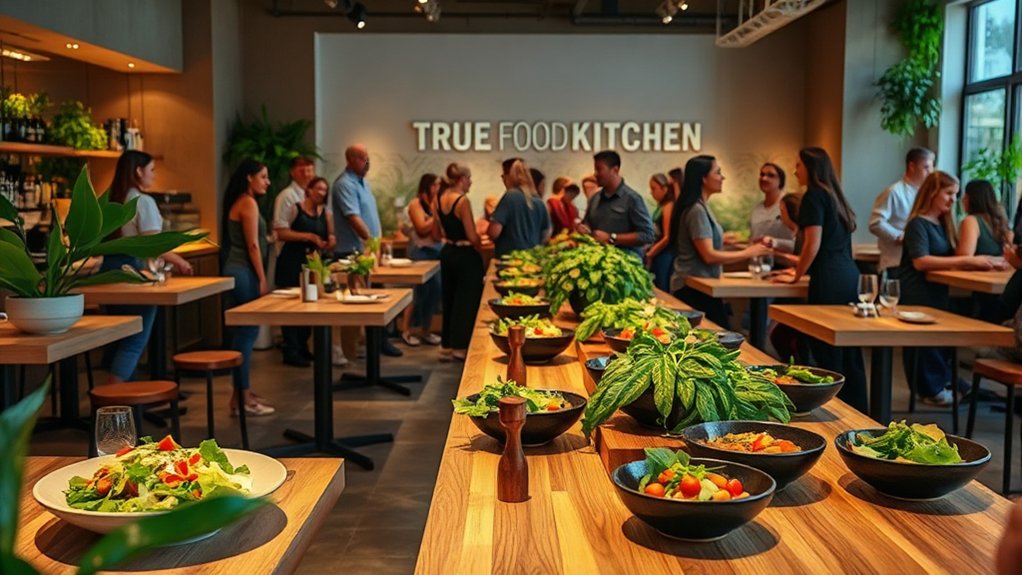
Trying to understand who owns True Food Kitchen can be confusing, especially as restaurant brands change hands. You’re not alone—many diners want to know who’s behind the places they enjoy and what ownership means for the experience.
True Food Kitchen is a privately backed restaurant brand, now owned through a parent company structure shaped by private equity. You should know it was founded in 2008 by Sam Fox and Dr. Andrew Weil, whose wellness-first vision still defines the menu. Ownership has shifted over time, but the brand still focuses on expansion, consistency, and profitability. For guests, that usually means a polished, scalable experience, and there’s more to unpack about who’s steering it next.
Key Takeaways
- True Food Kitchen was founded in 2008 by Sam Fox and Dr. Andrew Weil, combining restaurant expertise with wellness-focused nutrition.
- The brand has been owned by private equity-backed parent companies, with Centerbridge Partners gaining control in 2024.
- Ownership changes have shifted strategy toward scalable growth, standardized operations, and stronger profitability targets.
- A parent company above the brand helps set budgets, expansion plans, and long-term business priorities.
- Guests still experience True Food Kitchen’s wellness-driven identity, but ownership influences menu changes, staffing, and expansion pace.
Who Owns True Food Kitchen Today?
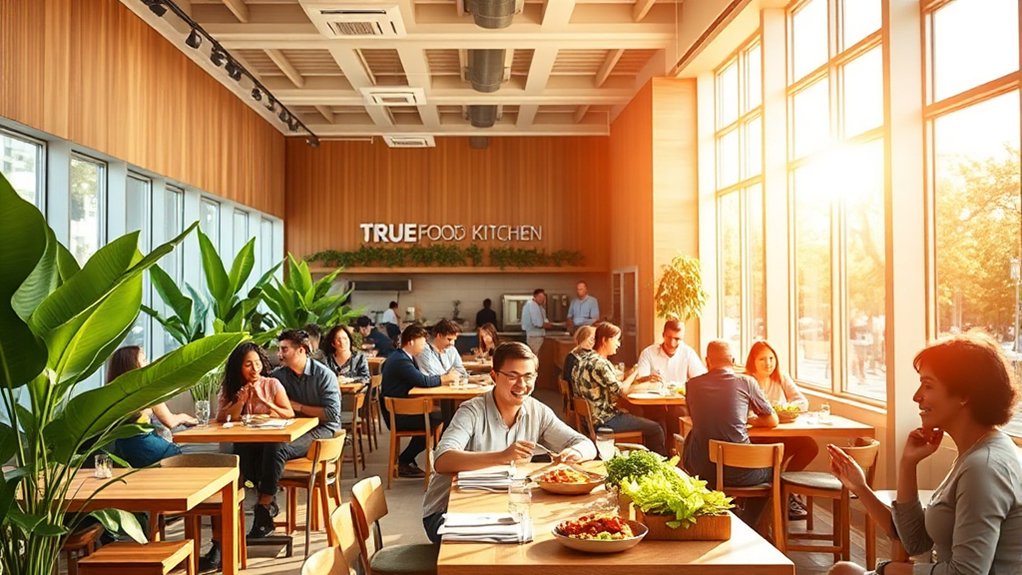
Today, True Food Kitchen is owned by private equity firm Craveworthy Brands, which acquired the restaurant chain in 2024. If you’re tracking who controls the brand now, that’s the key answer: Craveworthy oversees the company’s strategy, operations, and future growth.
Under private equity ownership, you can expect a sharper focus on expansion, efficiency, and profitability. That doesn’t necessarily change the menu you see in the dining room, but it can influence how the business runs behind the scenes.
You may also notice that founder dynamics matter less in day-to-day ownership now, since control has shifted away from the original leadership structure. Instead, the current owner guides decisions about locations, branding, and investment.
Who Founded True Food Kitchen?
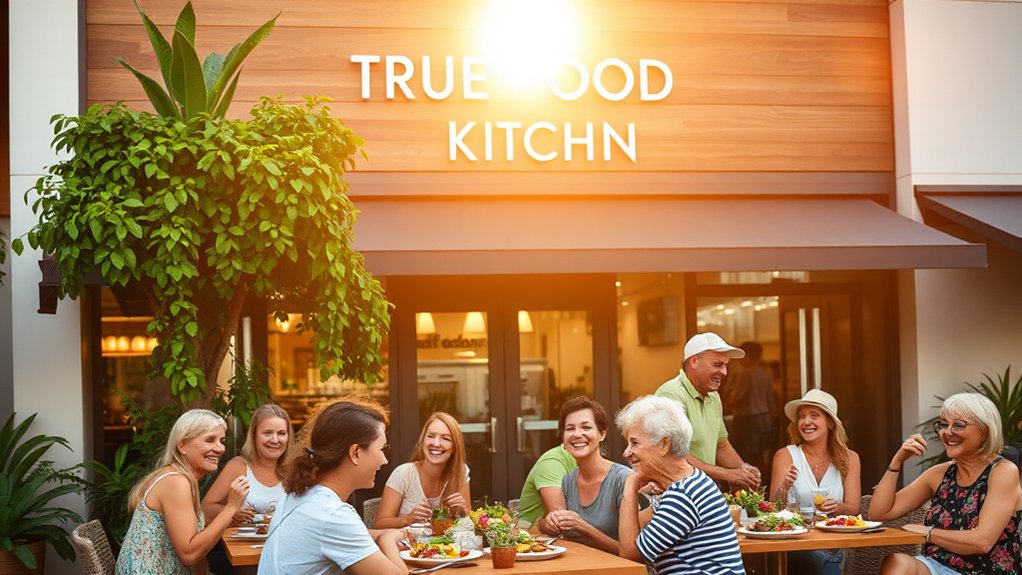
True Food Kitchen was founded by Dr. Andrew Weil, who teamed up with key partners to bring his vision of wellness-focused, seasonal dining to life. That founding partnership helped shape the brand you know today.
Founding Origins
True Food Kitchen was founded in 2008 by restaurateur Sam Fox, with the menu concept shaped by Dr. Andrew Weil. If you’re tracing its founding origins, you’ll see that the brand started as a wellness-focused restaurant idea, not just another dining chain.
Fox built the concept around seasonal ingredients, scratch cooking, and dishes that support a healthier lifestyle. Early investors backing helped turn that vision into a scalable restaurant group, giving the company capital to open more locations and refine its identity.
You can think of the launch as a meeting point between hospitality and nutrition, where a chef-driven business model met a strong consumer appetite for better-for-you food. That origin story still defines how you understand who owns and guides the brand today.
Key Founders
At the center of True Food Kitchen’s founding story is Sam Fox, the restaurateur who launched the concept in 2008, with Dr. Andrew Weil helping shape its wellness-driven menu and philosophy. If you’re asking who founded it, you should see it as a partnership between hospitality vision and nutritional expertise.
Fox brought the restaurant know-how, brand instincts, and expansion drive, while Weil gave the concept its health-first identity. That founder impact still defines the chain’s culture, even as ownership has shifted over time.
When you look at investor dynamics, you can see why the brand attracted outside capital: it offered a scalable, trend-forward model with broad consumer appeal. Together, the founders built more than a restaurant; they created a lifestyle concept with lasting market value.
What Was Dr. Andrew Weil’s Role?
Dr. Andrew Weil’s role at True Food Kitchen centered on shaping the brand’s health-first identity. You can think of him as the guiding wellness voice behind the concept, helping define the menu philosophy and the restaurant’s approach to ingredient quality.
His dr. weil role didn’t make him the day-to-day operator, but it gave the chain a clear nutritional mission that set it apart. Through his input, the founders built a concept around anti-inflammatory foods, seasonal produce, and balanced flavors that still feel approachable.
His role wasn’t day-to-day, but it helped shape True Food Kitchen’s nutritional mission and approachable wellness-focused menu.
That founder impact helped True Food Kitchen stand out in a crowded dining market, because you got a restaurant experience tied to wellness without feeling restrictive. If you’re looking at the company’s origins, his influence mattered most in the early vision, brand story, and menu direction.
You see his presence in the emphasis on food that’s both satisfying and thoughtfully prepared.
Who Owns True Food Kitchen Now?
Today, True Food Kitchen is owned by private equity firm Centerbridge Partners, which acquired the company in 2024. If you’re tracking the brand’s ownership structure, you’re now looking at a private equity-backed restaurant group rather than a founder-led business. That shift gives you a clearer view of how decisions may support growth, menus, and operations.
- You now have Centerbridge Partners at the top of the ownership structure.
- You can trace the brand’s expansion history through many U.S. locations.
- You’ll see that the company still operates under the True Food Kitchen name.
- You should expect strategic moves that fit a larger portfolio approach.
For you, the key takeaway is simple: ownership changed, but the concept still centers on wellness-driven dining. As the company continues to grow, its expansion history and current control under Centerbridge shape how it evolves next.
Which Investors Backed the Brand?
True Food Kitchen’s early backers helped fund its growth. Later, private equity investment changed the brand’s financial backing and ownership structure. Today, its ownership reflects a mix of early investors and institutional capital.
Early Backers
True Food Kitchen’s early backers helped set the brand on its growth path, with investment coming from well-known private equity and hospitality-focused partners rather than a single founder-controlled group. If you’re tracing its founder origins, you’ll see the concept grew from a health-driven restaurant idea into a scalable chain with outside support.
Those early backers didn’t just fund expansion; they also validated the brand’s wellness-focused positioning and helped it reach new markets.
- They backed the original growth plan.
- They supported expansion beyond one location.
- They reinforced the wellness-first concept.
- They gave the brand credibility with operators.
Private Equity Stakes
So, who backed True Food Kitchen on the private equity side? You’ll see that the brand drew interest from growth investors who liked its wellness angle, scalable menu, and unit economics. Their money helped fuel expansion, but it also shaped investor dynamics around speed, discipline, and brand consistency.
The founders’ impact still mattered, since the original vision guided how capital was used.
| Investor Type | Role | Effect |
|---|---|---|
| Private equity | Backing | Growth capital |
| Growth fund | Expansion | New locations |
| Strategic investors | Support | Operational guidance |
| Early capital | Validation | Brand credibility |
| Founders | Vision | Cultural balance |
You can think of these stakes as a vote of confidence that helped True Food Kitchen grow while keeping its identity intact.
Current Ownership Mix
At this point, True Food Kitchen’s ownership mix reflects a blend of founder influence and institutional backing, with private equity investors playing the biggest role in funding its growth. If you’re tracking the ownership structure, you’ll see that no single public shareholder controls the brand; instead, investors have shaped it through multiple funding rounds. Its investment history points to support from firms that helped expand locations, refine operations, and strengthen the concept.
- Founders kept a visible strategic role
- Private equity supplied most capital
- Investors backed expansion and brand scaling
- Ownership shifted as deals closed
You can think of it as a layered setup: operators guide the restaurant vision, while financial sponsors drive the capital behind it.
How Did Private Equity Change It?
Private equity changed True Food Kitchen by pushing it from a chef-driven wellness concept into a more growth-focused restaurant business. You can see the shift in its ownership structure, where private equity often seeks tighter controls, faster scaling, and clearer financial targets.
That usually means more emphasis on unit economics, standardized operations, and repeatable menus instead of purely culinary experimentation. If you follow the brand, you’ll notice decisions that aim to improve margins, streamline supply chains, and expand locations more efficiently.
Private equity can also bring experienced operators and capital, which helps a restaurant grow beyond its original footprint. At the same time, you may feel less of the founder-led spontaneity that once defined the concept.
In short, private equity didn’t erase True Food Kitchen’s identity, but it likely made the brand more disciplined, more scalable, and more accountable to investors.
Does True Food Kitchen Have a Parent Company?
Yes. True Food Kitchen is owned by private equity firm PWP Growth Equity, which acquired the restaurant chain in 2024. Before that, it was backed by Centerbridge Partners.
Parent Company Identity
Yes, True Food Kitchen does have a parent company. The brand sits under a larger corporate umbrella, which shapes its ownership structure and helps explain how its investors have changed over time.
- You can trace the brand to a parent entity, not a lone operator.
- Corporate backing supports expansion and strategy.
- Leadership decisions may reflect broader portfolio goals.
- Investors may change as the company evolves.
If you’re researching who owns True Food Kitchen, focus on the parent company first. It’s key to understanding how the restaurant group is organized and helps you distinguish the brand from the financial and managerial layers above it, without getting into the detailed structure yet.
Ownership Structure Details
True Food Kitchen does have a parent company, and that matters when you’re trying to understand who really owns the brand. You’re looking at a layered ownership structure, where the parent company sits above the restaurant brand and helps set strategy, budgets, and growth priorities.
That setup means you don’t just track the restaurant name; you also need to consider the investors behind it and how their goals shape decisions. If you’re judging menu changes, expansion plans, or operational shifts, investor impact can show up in those choices.
In simple terms, the parent company controls the big picture, while True Food Kitchen runs the guest-facing experience. So when you ask who owns it, you’re really asking who steers the business behind the scenes.
Corporate Backing History
Behind the scenes, True Food Kitchen has operated with corporate backing, and that support has shaped how the brand has grown over time. If you’re wondering whether it has a parent company, the answer is yes: its ownership structure has shifted through private equity and strategic investors.
You can trace that history through growth capital, acquisitions, and board-level oversight. That backing has influenced expansion, menu development, and investor relations.
- Early funding helped launch the concept
- Later investors supported national expansion
- Corporate leadership guided brand strategy
- Ownership changes refined long-term goals
What Does Ownership Mean for Guests?
For guests, ownership often matters less as a corporate detail and more as a signal of what kind of experience they can expect. When you dine at True Food Kitchen, ownership implications usually show up in menu consistency, service training, and the resources behind each location.
A well-backed brand can invest in fresher systems, better staffing, and tighter quality controls, which can improve your meal from visit to visit. You may also notice the guest impact in how quickly the restaurant adapts to dietary trends, local preferences, and feedback.
At the same time, ownership doesn’t erase the restaurant’s identity; it just shapes how reliably that identity reaches your table. So, if you care about ingredient standards, hospitality, and a dependable experience, ownership gives you useful context.
It helps you understand why the restaurant feels polished, scalable, and steady without needing to know every business detail behind it.
How Did True Food Kitchen Expand Nationwide?
That steady, guest-focused identity helped True Food Kitchen grow well beyond its original markets. You can trace its nationwide expansion to a mix of disciplined site selection, menu consistency, and a health-forward brand that traveled well.
True Food Kitchen’s guest-first identity helped it expand nationwide with consistency, discipline, and a brand that traveled well.
The company used a clear expansion strategy: open in high-traffic urban and suburban areas, then adapt to each market without losing its core promise.
- You’d see the same seasonal, wellness-driven menu in new cities.
- You’d notice design choices that made each location feel familiar.
- You’d benefit from growth funded and guided by private equity support.
- You’d find that strong operations helped new restaurants open smoothly.
As the brand entered more states, it leaned on scalable training, supply chains, and marketing that reinforced its identity. That approach let you recognize True Food Kitchen wherever it opened, while still giving each restaurant room to fit local demand.
Could True Food Kitchen Change Hands Again?
Could True Food Kitchen change hands again? Yes, you should consider that possibility because restaurant brands often face ownership shifts when investors seek growth, liquidity, or a turnaround. If you follow True Food Kitchen, you’ll notice that changing market conditions can make another sale more likely. Private equity backers usually look for ways to improve margins, and if the brand performs well, a buyer may step in with fresh capital.
You should also weigh acquisition risks. A new owner can bring stronger expansion plans, but it can also change priorities, menu strategy, or store operations. That means you could see shifts in pricing, staffing, or location decisions. If True Food Kitchen attracts interest from larger restaurant groups, you may get faster growth, yet you might also lose some of the brand’s original identity.
For you, the key point is simple: ownership isn’t fixed, and future deals can reshape the chain quickly.
Frequently Asked Questions
What Menu Items Are Most Popular at True Food Kitchen?
You’ll usually find True Food Kitchen’s popular items include the Ancient Grains Bowl, inside-out quinoa burger, and seasonal pizzas. Their bestsellers in dishes, like the kale salad and spaghetti squash casserole, also draw lots of fans.
You can expect fresh, veggie-forward flavors, with plenty of gluten-free and vegan choices. If you’re deciding what to order, these signature plates are a smart first pick, especially when you want something satisfying and wholesome.
Does True Food Kitchen Offer Vegetarian and Vegan Options?
Yes, you’ll find both vegetarian options and vegan options at True Food Kitchen. You can choose from salads, bowls, pizzas, and seasonal dishes that skip meat and, in many cases, dairy or eggs. You can also ask for swaps to fit your diet better.
Their menu makes it easy for you to eat plant-based without feeling limited, and you’ll usually spot clearly labeled choices when you order.
How Many Locations Does True Food Kitchen Currently Have?
You’ll find True Food Kitchen spread like a growing orchard across the country, with roughly 45 locations currently open in the U.S. As true ownership has evolved, the brand’s expansion has helped it reach more cities and diners.
You can expect that number to shift as the company keeps opening new spots and refining its footprint. For the latest count, you should check the restaurant’s official locations page.
Are True Food Kitchen Restaurants Franchised or Company-Owned?
True Food Kitchen restaurants aren’t franchised; you’re looking at a company-owned ownership structure. That means the brand runs its own locations instead of selling franchise models to independent operators.
Because of this setup, you’ll usually see more consistent menus, service, and branding across restaurants. If you’re comparing expansion plans, company ownership can also give you a clearer picture of control, standards, and decision-making across the chain.
What Is the Restaurant’s Mission or Culinary Philosophy?
True Food Kitchen’s mission philosophy centers on food as fuel and pleasure. You’ll find dishes that celebrate seasonal ingredients, bold flavors, and mindful cooking, all aimed at supporting your dining wellness.
Like a bright river running through the menu, its approach blends nutrition and taste, so you can enjoy meals that feel fresh, balanced, and satisfying. It doesn’t chase trends; it serves vibrant food that helps you feel good after every bite.
Conclusion
So, you’ve seen how True Food Kitchen grew from a fresh idea into a nationwide brand, and who’s steering it now. You know the founders, the investors, and how ownership shapes the dining experience you get today.
In a world where restaurant deals move faster than a rotary phone call, this story can still change. Stay curious, because the next chapter for True Food Kitchen could surprise you.