How to Kill Ants in the Kitchen Step-by-Step
Ants in the kitchen can turn a clean space into a frustrating mess, especially when they keep coming back. You’re not alone—many people struggle to find where ants are getting in and…
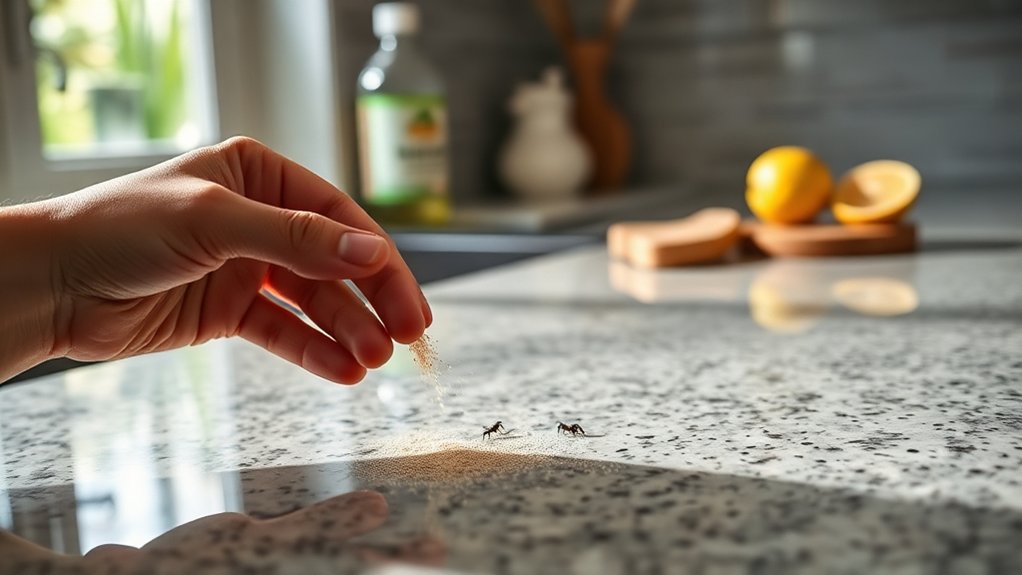
Ants in the kitchen can turn a clean space into a frustrating mess, especially when they keep coming back. You’re not alone—many people struggle to find where ants are getting in and how to stop them. This roundup of kitchen ant solutions can help you tackle the problem step by step.
Spot the ants and act fast: spray the cluster with soapy water, then wipe them up and clean the area with a disinfecting cleaner. Follow the trail to find the entry point near baseboards, sinks, or gaps around appliances.
Remove crumbs, seal food, and keep the sink dry. Wipe trails with warm water, dish soap, or vinegar. Place labeled bait away from food areas, then seal cracks so they don’t return and you can learn a few more fixes.
Key Takeaways
- Spot the ant trail quickly and wipe ants away with soapy water to kill them on contact.
- Clean countertops, sinks, and floors with vinegar or disinfecting cleaner to remove scent trails.
- Remove crumbs, food, trash, and standing water to eliminate ants’ food and moisture sources.
- Follow trails to entry points near baseboards, windows, pipes, and appliances, then mark gaps.
- Place ant bait near trails, then seal cracks and spray entry points after activity drops.
How to Kill Ants in the Kitchen Fast

If you spot ants in your kitchen, move fast to stop the trail and wipe them out before more show up. Grab a paper towel, spray the cluster with soapy water, and wipe the ants away right away. This kills many on contact and disrupts ant behavior, so the rest don’t keep following the same route.
Then clean the area with a disinfecting cleaner to improve kitchen sanitation and remove the scent that draws them back. Wipe counters, backsplashes, and floors where crumbs or spills collected. Toss food packaging with residue, and rinse sticky dishes promptly.
Keep your sink dry and clear any standing water. If ants return, repeat the process quickly so you can stay ahead of the problem. Fast action matters because ants recruit others once they find food, and a clean kitchen makes your home much less inviting.
Find the Ant Entry Point
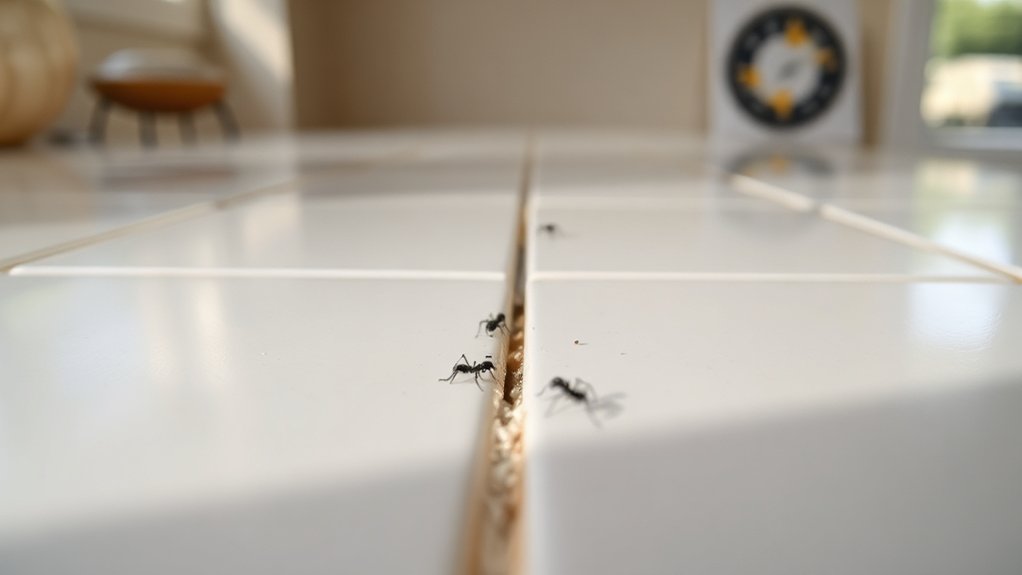
Before you spray or seal anything, track down where the ants are getting in. Watch the ant trails closely and follow them back to where they disappear. You’ll usually spot the entry point near a baseboard crack, gap around a window, loose trim, or opening around a pipe.
Check both inside and outside the kitchen, since ants often move through tiny hidden routes before they reach your counters.
Use a flashlight and inspect slowly, especially along floors, cabinets, and walls. If the trail fades, wait a few minutes and watch where it reappears.
Mark each likely opening with painter’s tape so you can return to it later. Don’t guess; a missed gap lets ants keep coming back.
Once you’ve found the exact entry point, you can target your next step with much better results and stop wasting effort on the wrong spot.
Remove Food and Water Sources
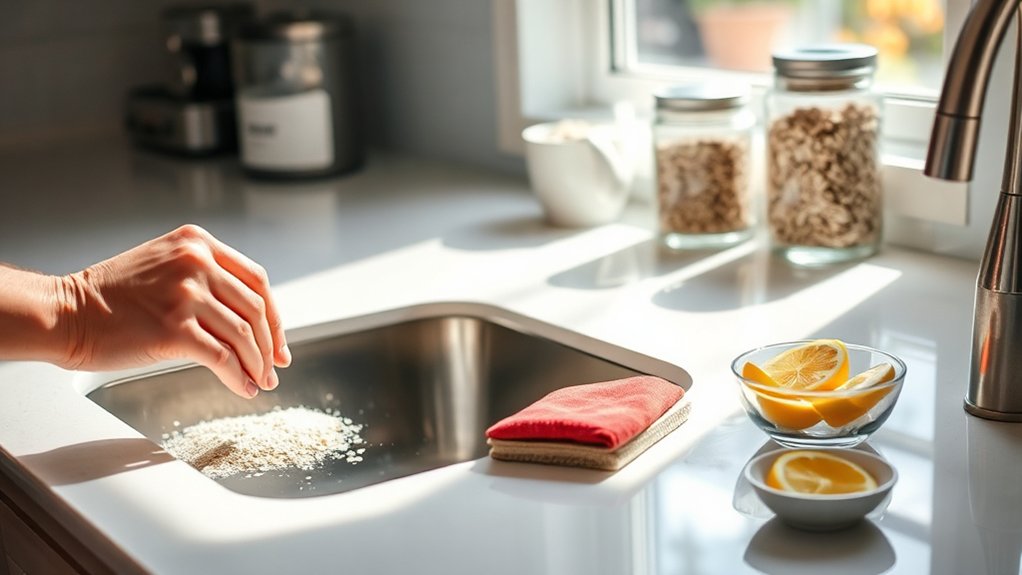
Wipe up countertop crumbs so ants don’t find an easy meal. Fix water leaks right away, too, since ants need moisture to survive. Store food in sealed containers and keep it off the counter to limit their access.
Clear Countertop Crumbs
Start by clearing every crumb, spill, and sticky spot from your countertops, since even tiny traces of food can keep ants coming back. Wipe the surface with warm, soapy water, then dry it fully so no residue stays behind.
Focus on clear countertops after every meal, especially around appliances, cutting boards, and sinks. For better crumb management, use a handheld vacuum or damp cloth to catch grains that hide in corners and seams.
Don’t leave pet food, fruit peels, or open snacks out overnight. Seal pantry items in airtight containers and empty the trash regularly.
When you keep food access limited, ants lose their easiest reason to invade your kitchen. Consistent cleanup makes the space less inviting and helps your ant-control efforts work faster.
Fix Water Leaks
Fix any dripping faucets, leaky pipes, or damp spots right away, since ants need water just as much as they need food. Check under sinks, behind appliances, and around drains for moisture.
If you spot a problem, fix water issues fast so ants don’t keep returning to drink. Tighten loose connections, replace worn washers, and dry puddles with a towel.
For bigger damage, schedule leaks repair and don’t wait for the drip to spread. You should also watch for condensation on pipes and wipe it away.
Keep the area ventilated so surfaces stay dry. When you remove easy water access, you make your kitchen far less inviting to ants and help stop an infestation from getting worse.
Store Food Properly
Once you’ve handled leaks, turn your attention to food storage, since ants will keep coming back if they can still find easy meals. Seal cereal, sugar, pet food, and snacks in airtight containers, and wipe crumbs from counters, shelves, and drawer edges after every use.
Good store organization makes it easier to spot spills and keep ingredients grouped neatly. Practice pantry rotation so older items get used first, and nothing sits open long enough to attract pests.
- Empty trash often and rinse sticky bins.
- Store ripe fruit in the fridge when possible.
- Keep bowls of pet food off the floor overnight.
You should also check for drips under the sink and around appliances, because ants need water as much as food.
Wipe Away Ant Trails
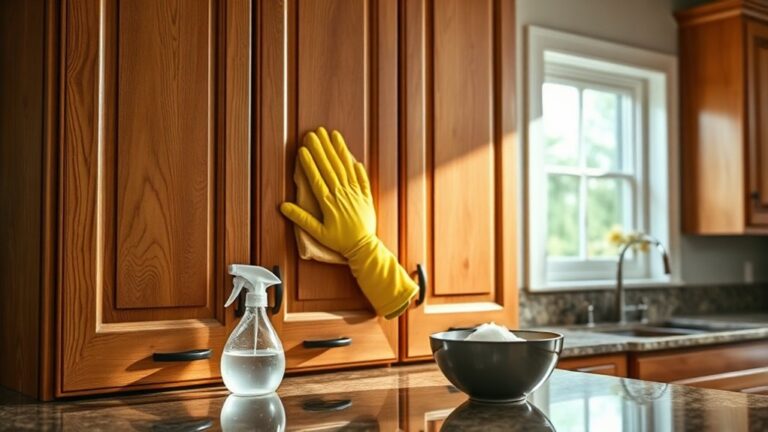
Where are the ants coming from? Once you spot their path, act fast with ant trail removal. Mix warm water with a little dish soap or vinegar, then wipe the counters, backsplash, baseboards, and floor edges where they’ve marched. This breaks the scent markers ants leave behind, so others can’t follow the same route. Rinse your cloth often and keep wiping until the surface looks clean and smells neutral.
Focus on kitchen hygienic practices every day to make your cleanup count. Clear crumbs, grease, syrup, and sticky spills from hidden corners, under appliances, and around the sink. Don’t forget handles, trash can rims, and pet feeding areas, since ants often travel there first.
After you clean, dry the area well, because moisture can invite more activity. If you keep removing trails promptly, you’ll make your kitchen less attractive and interrupt the steady flow of ants back and forth.
Use Ant Bait to Kill the Colony
If wiping away trails doesn’t stop the ants, switch to bait so you can target the colony, not just the workers you see. Choose ant bait labeled for kitchen use and place it where ants travel, but not on food-prep surfaces.
Let the foragers carry it back, because that’s how colony elimination starts. Don’t kill the ants you see right away; you want them to share the bait with the nest. Check the stations daily and replace them if they dry out or disappear.
- Set bait near trails, corners, and under appliances.
- Use sugar-based bait for sweet-feeding ants.
- Keep bait away from children and pets.
Patience matters here. You may see more ants at first, but that usually means they’re feeding. Continue using ant bait until activity drops sharply, then keep monitoring for a few days.
Spray Problem Entry Points
After you’ve placed bait, spray any active entry points to stop new ants from getting inside. Focus on places where you see trails, then treat those spots with a labeled ant spray.
After placing bait, spray active entry points where you see trails to stop new ants from getting inside.
Aim at windowsills, baseboards, under sinks, and along door frames where ants are moving. This helps you spray problem areas quickly and interrupts the scent trails they use to navigate.
Use the product exactly as directed, and keep the treatment light. You don’t need to soak the area; a targeted spray works better and reduces mess.
If ants keep returning, recheck the same entry points later in the day and apply again if the label allows. Stay consistent, because new scouts may follow old paths.
Keep food covered and counters clean so you don’t give them a reason to come back. By treating active routes right away, you cut off fast-moving ants and support the bait you already set.
Seal Cracks and Gaps
Next, seal the cracks and gaps that ants use to get inside. You’ll stop new trails faster when you inspect walls, trim, baseboards, windows, and pipes with a bright light. Use simple inspection methods to spot thin openings, then mark every gap you find. After that, choose the right filler so you can seal cracks securely and keep them sealed through daily use.
- Apply caulk to narrow splits along trim and tile edges.
- Use expandable foam for larger voids around utility lines.
- Add weatherproofing strips where frames or doors leave small spaces.
Work carefully, because ants can exploit even hairline openings. Smooth the material so it bonds well and dries evenly. Recheck your repairs after they cure, and touch up any missed spots. When you close off these access points, you make your kitchen far less inviting and help the rest of your ant control efforts work better.
Treat Cabinets, Sinks, and Appliances
Check inside cabinets, around sinks, and behind appliances for hidden ant trails and entry points. Wipe up spills, dry any damp spots, and keep these areas clean to remove the food and moisture ants are after. If you spot any nearby cracks or gaps, seal them to block access.
Inspect Hidden Entry Points
Before you reach for more spray, inspect the places ants use to slip inside: open cabinets, the gap under the sink, and the seams around your dishwasher, fridge, and stove. Focus on inspecting entry points, not just the ants you can see.
Move items aside, look for tiny trails, and note where crumbs or gaps line up with traffic. When identifying entry points, check for cracks in baseboards, loose trim, and holes where pipes or cords enter the wall.
- Trace each trail back to its source.
- Mark every gap you find with tape.
- Seal openings once you’ve confirmed the route.
This quick scan helps you target the real access points and keeps your next treatment from wasting time on the wrong spots.
Clean Damp Kitchen Areas
Once you’ve found the entry points, clean the damp spots that ants love most, including under sinks, inside cabinets, and around dishwashers, fridges, and stoves. Wipe away spills, crumbs, and grease with warm soapy water, then dry every surface thoroughly.
Don’t leave wet dishcloths, sponges, or pet bowls sitting out overnight. Empty cabinet corners and check for hidden moisture near plumbing or condensation lines.
Your cleanliness habits should include quick daily wipe-downs and regular deep cleaning in these problem zones. If you use cleaners, choose ones that remove residue instead of masking it.
Seasonal monitoring helps too, since humidity and temperature changes can boost ant activity. Stay consistent, and you’ll make your kitchen far less inviting to ants.
Seal Cracks And Gaps
Now that the kitchen is clean and dry, seal the cracks and gaps where ants slip in, paying close attention to cabinets, sinks, baseboards, and the spaces around appliances. Use caulk or foam for sealing gaps, then let each repair cure fully before you wipe nearby surfaces. Check under the sink, behind the fridge, and along countertop edges, where tiny openings often hide.
- Inspect joints with a flashlight.
- Fill damaged seams with quick crack repair.
- Smooth caulk so it bonds tightly.
After you finish, test the area for missed openings and recheck it after a few days. If you spot new gaps, fix them right away so ants can’t trace the same route back inside.
Try Natural Ant Control Methods
If you want a safer first line of defense, try natural ant control methods that can disrupt trails and make your kitchen less inviting. You can use natural repellents and home remedies to slow activity fast.
Wipe counters with soapy water, then spray vinegar along paths. Sprinkle cinnamon, coffee grounds, or peppermint oil near entry points. These options won’t replace cleanup, but they can help you manage small invasions.
| Remedy | How you use it | Best for |
|---|---|---|
| Vinegar | Spray on trails | Erasing scent marks |
| Cinnamon | Sprinkle lightly | Blocking pathways |
| Peppermint oil | Mix with water | Deterring scouts |
| Lemon juice | Wipe surfaces | Freshening hot spots |
| Soap water | Clean counters | Removing ants |
Reapply after cleaning, and check where ants reappear. If one method fails, switch to another and stay consistent.
Keep Ants Out of the Kitchen
To keep ants out of your kitchen, block their access and remove what attracts them. Start by sealing cracks around doors, windows, and baseboards. Then store food in airtight containers, and wipe up crumbs, spills, and sticky spots right away. That way, ants won’t find an easy meal.
Seal Entry Points
Where are the ants getting in? Trace their trails along baseboards, window frames, and plumbing gaps, then block those routes before they return. Your goal is simple: close every crack that lets them slip inside, because ant behavior often follows hidden paths. Focus on kitchen sanitation too, since clean surfaces make inspection easier and reveal entry points faster.
- Caulk gaps around sinks, backsplashes, and trim.
- Install weatherstripping on doors and windows.
- Seal pipe openings with steel wool and caulk.
Check these spots after cleaning and after heavy rain, since moisture can widen openings. If you spot fresh trails, reseal immediately and wipe the area so ants lose their scent path. Small repairs now can save you from bigger problems later.
Store Food Properly
Once you’ve sealed the cracks ants use to get inside, make the kitchen less inviting by storing food the right way. Use airtight containers for cereal, sugar, flour, and snacks so scents don’t spread.
Keep your store organization simple: group similar items together and put older packages in front. Good pantry labeling helps you spot opened foods fast and return lids tightly after every use.
| Food | Container | Tip |
|---|---|---|
| Flour | Airtight jar | Seal after scooping |
| Snacks | Hard bin | Close immediately |
| Sugar | Lidded canister | Wipe rim clean |
You should also store pet food in sealed bins and keep produce covered when possible. When ants can’t smell easy meals, they’re less likely to linger in your kitchen.
Clean Up Crumbs
Crumbs are an open invitation to ants, so wipe up spills and sweep floors as soon as you notice them. Make crumbs cleanup part of your daily routine, especially after meals and snack time.
Ants can track tiny food bits across counters, under appliances, and into cabinets, so don’t let them settle in. Focus on kitchen hygiene by cleaning these spots:
- around toasters, stoves, and microwaves
- under table legs and chair feet
- along baseboards and sink edges
Use a damp cloth for sticky residue, then dry surfaces to remove scent trails. Vacuum rugs and mop hard floors to catch hidden debris.
If you stay consistent, you’ll cut off the food source ants need and make your kitchen far less attractive to them.
Frequently Asked Questions
How Long Do Ant Baits Usually Take to Work?
Ant baits usually take a few days to two weeks to work, depending on the species and the colony size. You’ll often see fewer ants within 24 to 48 hours, but full bait effectiveness takes time because the workers carry poison back to the nest. For best ants timing, keep bait fresh, place it near trails, and don’t spray repellents nearby, since that can reduce results.
Are Kitchen Ant Sprays Safe Around Food Surfaces?
Usually, no—you shouldn’t assume kitchen sprays are safe around food surfaces. Check the ant spray safety label and keep food away, since overspray can contaminate countertops, utensils, and prep areas.
Move food away, spray only where the label allows, and wipe surfaces afterward if instructed. When in doubt, choose bait stations or other non-spray options instead.
What Ant Species Are Most Common in Kitchens?
You’ll usually spot a few ant species as kitchen pests: odorous house ants, Argentine ants, pavement ants, and pharaoh ants. You can identify them by their trails, size, and where they forage.
Odorous house ants often invade sweets, while pharaoh ants prefer warm, moist areas. If you see repeated activity near sinks, crumbs, or pet food, you’re likely dealing with one of these common household invaders.
When Should I Call a Professional Exterminator?
You should call a professional exterminator when ant trails keep returning after you’ve cleaned, baited, and sealed entry points. In the U.S., ants cause millions of home service calls each year, so you’re not alone.
If you spot nesting indoors, see ants in multiple rooms, or suspect carpenter ants, don’t wait. When to call an exterminator depends on severity, and cost considerations matter, but fast help can save you money later.
Can Ants Come Back After Treatment?
Yes, ants can come back after treatment if you don’t eliminate the whole colony or miss entry points. You’ll get better results when you combine cleanup, sealing, and ongoing monitoring.
Bait effectiveness matters because workers carry poison back to the nest, but it can take time. If ants return, reapply bait, inspect for moisture, and keep counters crumb-free so you don’t invite another infestation.
Conclusion
You’ve cleared the crumbs, wiped the trails, and set the bait, so now it’s time to keep your kitchen ant-free. Seal every crack, dry every sink, and store food tightly—because if you leave an open invitation, ants will come marching back like tiny thieves at a feast.
Stay consistent, and you’ll stop the swarm before it starts. With a little vigilance, you can turn your kitchen from an ant highway into a no-entry zone and learn how to kill ants in the kitchen for good.