How Does the 486 Gelyney Kitchen Exhaust Hood Work?
Cooking can quickly fill your kitchen with smoke, grease, and lingering odors. If you’ve struggled to keep the air fresh while cooking, you’re not alone. Understanding how the 486 Gelyney kitchen exhaust…
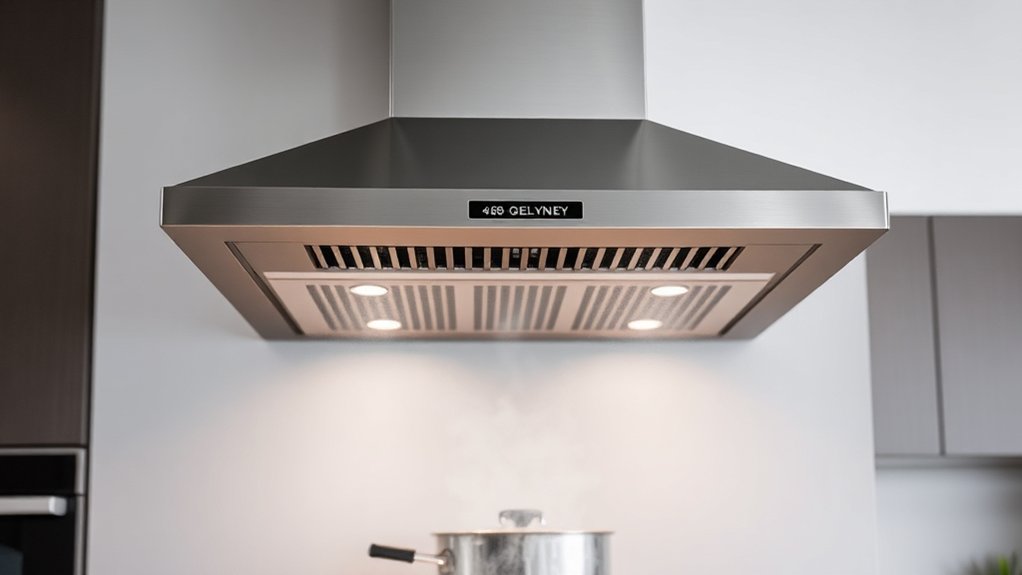
Cooking can quickly fill your kitchen with smoke, grease, and lingering odors. If you’ve struggled to keep the air fresh while cooking, you’re not alone. Understanding how the 486 Gelyney kitchen exhaust hood works can help you decide whether it’s right for your kitchen.
The 486 Gelyney kitchen exhaust hood pulls smoke, steam, grease, and cooking odors up from your cooktop using a fan that creates suction. Air passes through filters that catch oily mist and particles, then the hood either vents it outside or recirculates cleaner air back into the kitchen.
You can control the hood with buttons or a panel and choose a fan speed that suits the heat. Regular cleaning helps it keep working well over time.
Key Takeaways
- The 486 Gelyney hood uses a fan to pull smoke, steam, grease, and odors up from the cooktop.
- It captures fumes by creating suction and a pressure difference, not by blowing air away.
- Filters trap greasy particles and odors, improving airflow and protecting the fan from buildup.
- In vented mode, air exits outdoors; in recirculating mode, cleaned air returns to the kitchen.
- Controls let you adjust fan speed and lighting, with higher speeds used for heavy cooking and smoke.
What the 486 Gelyney Hood Does

The 486 Gelyney kitchen exhaust hood pulls smoke, steam, grease, and cooking odors up and out of your kitchen, helping keep the air cleaner while you cook. You get a cleaner workspace, less lingering smell on clothes, and fewer greasy film buildup on cabinets and walls.
It also gives you a brighter, more comfortable cooking area by clearing the air around your range. If you care about hood aesthetics, this model can serve as a sleek focal point above your cooktop, blending function with style.
For a noise comparison, you’ll notice how its operating sound stacks up against other hoods, which can matter if you cook often or entertain nearby. Overall, the hood’s job is simple: it helps your kitchen stay fresher, cleaner, and more pleasant while you focus on preparing meals.
How the Hood Pulls Air

When you switch the 486 Gelyney hood on, its fan creates suction that draws air upward from the cooktop area and into the hood’s intake. You’ll notice this pull feels strongest when the hood sits at the right height and the room can feed it fresh air. The hood doesn’t “push” fumes away; it captures them by creating a pressure difference that guides air toward the opening.
That’s why airflow misconceptions often lead people to blame the hood when the real issue is nearby blockages or misaligned ductwork. A clear path helps the hood pull evenly and stay efficient.
Airflow issues often point to blockages or duct misalignment, not the hood itself.
- Keep cookware centered under the hood.
- Check for bends, gaps, or misaligned ductwork.
- Make sure surrounding cabinets don’t crowd the intake.
When you understand this pull, you can set up the hood to work with your kitchen’s airflow instead of against it, improving everyday performance.
How the Fan Clears Smoke and Steam

As the fan spins, it grabs smoke and steam at the hood opening and moves that air into the vent path before it can spread through the kitchen. You feel the draft pull rising heat away from your face, so your stovetop stays clearer while you cook.
The motor keeps a steady pace, and that constant motion helps you handle searing, boiling, and frying without lingering haze. During sensor testing, you can see the fan respond quickly when heat or vapor increases.
That response matters because it keeps the airflow consistent instead of letting smoke drift outward. If you do a noise comparison, you’ll notice the fan’s sound changes with speed, but it still works to keep the room more comfortable.
| Action | Result |
|---|---|
| Fan starts | Air moves upward |
| Steam rises | It gets captured fast |
| Speed adjusts | Clearing stays steady |
The Role of Filters in the Hood
Filters catch the greasy mist and fine particles that the fan pulls through the hood, so you’re not just moving air—you’re cleaning it on the way out. You’ll notice better airflow when the filters stay free of buildup, because they protect the fan and help keep the hood performing well. Their filters effectiveness depends on how often you cook and how well you follow maintenance routines.
- Wash or replace filters on schedule.
- Check for warping, clogging, or loose fit.
- Reinstall them firmly so air passes evenly.
When you keep the filters clean, you reduce odors, improve capture of airborne grease, and lessen stress on the motor. That means your hood works harder where it counts and needs fewer repairs later. A simple cleaning habit can make a big difference in daily kitchen comfort.
Vented vs. Recirculating Operation
Vented and recirculating modes work differently, and the one your 486 Gelyney hood uses changes how it handles smoke, heat, and odors. In vented vs. recirculating setups, you’ll notice two distinct paths for captured air: one sends it outside, while the other cleans it and returns it to your kitchen.
Air filtration plays the key role in the recirculating option, since it helps reduce grease and lingering smells before the air comes back.
| Mode | What Happens | Best For |
|---|---|---|
| Vented | Air exits outdoors | Stronger removal |
| Recirculating | Air passes through filters | Homes without ducting |
| Both | Capture cooking byproducts | Everyday use |
If your hood vents, you get direct exhaust. If it recirculates, you’ll rely on filters to keep the air fresher.
Either way, you’re using the hood to manage cooking messes efficiently.
Why Airflow Design Matters
How well the 486 Gelyney hood moves air matters just as much as whether it vents or recirculates, because airflow determines how quickly it captures smoke, steam, and grease before they spread through your kitchen. You’ll notice smoother cooking when the hood pulls air steadily instead of creating weak pockets or noisy bursts. Good airflow helps you keep the room clearer, cooler, and easier to work in.
- It matches the hood’s fan strength to your cooking style.
- It reduces airflow misconceptions that bigger fans always solve every problem.
- It cuts through ductwork myths by showing that layout, bends, and length all affect performance.
When you understand airflow design, you can judge the hood’s results more accurately. Don’t focus only on speed; focus on balance, path, and consistency. That’s what lets the 486 Gelyney work the way you expect.
How the Hood Captures Grease
The grease filter traps sticky particles before they escape into your kitchen. Meanwhile, the hood’s airflow pulls rising, grease-laden air into the capture zone, helping keep it from spreading. Any residue then runs down into the drip tray, where you can easily clean it up.
Grease Filter Design
The 486 Gelyney kitchen exhaust hood uses a grease filter system that traps airborne oil before it can build up in the ductwork or spread through the kitchen. You’ll notice the grease filter sits where splatter first rises, so it can catch sticky particles fast.
Its angled metal layers split the airflow, forcing grease to cling to the surfaces while cleaner air keeps moving. That design helps you keep the capture zone cleaner and reduces residue on nearby cabinets and walls.
- Mesh spacing helps trap fine droplets.
- Removable panels make cleaning simpler.
- Durable metal handles heat and repeated washing.
With regular care, you’ll keep the filter working efficiently and extend the hood’s overall performance.
Airflow Capture Zone
As steam and grease rise from the cooktop, the 486 Gelyney hood pulls that polluted air into its capture zone before it can spread across the kitchen. You benefit from focused airflow dynamics that draw rising vapors inward, keeping the plume centered under the canopy.
That tight pull helps the hood intercept airborne grease early, so less residue escapes into your room. When you cook, the hood’s opening and fan work together to create a steady path for smoke and mist, guiding them toward grease filtration components.
You don’t need dramatic suction; you need consistent capture across the cooking surface. By holding the air in this zone long enough, the hood improves grease control and helps your kitchen stay cleaner after every meal.
Drip Tray Collection
Once grease-laden vapor meets the hood’s baffle or mesh system, it slows and condenses. The drip tray catches those heavier droplets before they fall back onto your cooktop. You’ll see how this simple channeling keeps the hood cleaner and your range easier to maintain.
The drip tray sits below the filters, guiding runoff into a removable pan instead of letting grime spread. With smart collection methods, the hood isolates grease, so you spend less time scrubbing and more time cooking.
- Check the tray regularly.
- Empty it before it overflows.
- Wash it with warm, soapy water.
Because the tray captures buildup at the source, airflow stays efficient, odors lessen, and your kitchen feels fresher after every meal you prepare.
What Controls the Hood’s Power
What controls the hood’s power is usually a simple set of user inputs: a wall switch, push buttons, or a control panel that lets you turn the fan on and off, change speeds, and, in some models, activate the lights. You use these controls to match the hood’s output to what you’re cooking, so you don’t waste energy or create unnecessary noise.
On many 486 Gelyney models, the buttons connect directly to the motor circuit, while electronic panels send signals to a controller board that manages power levels. Some versions also include indicator lights or touch-sensitive icons, which make operation feel more modern.
If you’re exploring topic ideas, unrelated to hood airflow and filtration, this section can also help you think about user convenience, installation style, and interface design. When you press a setting, the hood responds immediately, giving you quick control over ventilation and lighting without extra steps or confusion.
Best Ways to Use the Hood
For the best results, choose a hood speed that matches what you’re cooking. Use a lower setting for light steam and a higher one for heavy smoke or grease. Turn the hood on before you start cooking, then let it run for a few minutes afterward to clear the air. That way, you can use it efficiently and keep your kitchen fresh.
Optimal Hood Settings
For the best results, run the 486 Gelyney kitchen exhaust hood at the right speed for the job: use a lower setting for light simmering and a higher setting when you’re frying, searing, or boiling hard. You’ll keep control when you match fan power to heat level, and you won’t waste energy.
If you’ve heard concerned feedback about noise or cost, that usually comes down to using more power than you need. Keep budget considerations in mind and choose the mildest setting that handles the task.
- Start low for simmering sauces.
- Step up when grease or steam rises fast.
- Return to lower speed after the pan calms down.
This simple habit helps you cook smoothly, reduces unnecessary wear, and keeps the hood working efficiently every day.
Effective Ventilation Use
To get the most from the 486 Gelyney kitchen exhaust hood, turn it on before smoke, steam, or odors build up, and let it run long enough after cooking to clear the air.
Keep pots centered under the canopy so the hood captures pollutants efficiently. Use the lowest fan speed that still removes heat and grease, then increase it only when you need stronger pull.
Close nearby windows if drafts weaken airflow. Wipe the filters on regular cleaning schedules so grease doesn’t block ventilation.
If the hood feels loud, try noise mitigation by lowering speed, checking for loose parts, and keeping ducts clear. Good timing, steady airflow, and simple upkeep help you cook comfortably and keep your kitchen fresher every day.
Common Problems and Fixes
If your 486 Gelyney kitchen exhaust hood isn’t pulling smoke well, the problem usually comes down to a clogged filter, blocked duct, or a fan that isn’t running at full speed. You can fix most issues quickly by checking airflow, then cleaning the grease trap and vent path.
Regular cleaning maintenance keeps buildup from choking performance, and smart installation considerations help you avoid weak suction from the start.
- Clean the filter: Wash or replace it when grease looks heavy, then dry it fully before reinstalling.
- Inspect the duct: Look for bends, loose joints, or debris that restricts air movement.
- Test the fan: Listen for noise, check speed settings, and replace worn parts if the motor struggles.
If smoke still lingers, inspect the hood’s placement above the cooktop and confirm the room has enough make-up air. Small adjustments often restore strong, reliable ventilation fast.
Frequently Asked Questions
How Often Should the Hood Be Professionally Serviced?
You should schedule professional service for your hood at least twice a year, and more often if you cook heavily or use it daily. That maintenance frequency helps you catch grease buildup, fan wear, and airflow issues before they become costly problems.
You’ll also stay safer and keep your system running efficiently. If you notice smoke lingering, loud noises, or weak suction, book professional service right away.
What Lighting Options Does the 486 Gelyney Hood Include?
You’ll usually find built-in LED lighting on the 486 Gelyney hood, and that’s likely the best theory to start with because LEDs boost energy efficiency while giving you bright, focused cooktop light.
You can expect simple controls or switches to turn the lights on and off, and some models may offer adjustable brightness. Check your exact unit’s specs, since lighting options can vary by version, retailer, or regional trim.
Can the Hood Be Installed Under Any Cabinet Size?
No, you can’t assume it fits under any cabinet size. You’ll need to check the hood’s exact dimensions, clearance, and installation compatibility before you mount it. Your cabinet must provide enough width, depth, and support for safe installation.
If you’re comparing options, also look at noise reduction, since tighter fits can affect airflow and sound levels. Always follow the manufacturer’s measurements and installation instructions.
Is the Hood Noisy During High-Speed Operation?
Yes, you’ll notice some fan sound at high speed, but it’s usually manageable for a powerful hood. You get strong heavy duty filtration and airflow optimization, which can make the unit sound a bit louder when it’s moving more air.
If you need quieter cooking, use a lower setting for everyday tasks. You’ll still get solid smoke and grease removal without pushing the motor to its loudest level all the time.
Does It Support Smart Home or Remote Control Features?
Yes, you can use smart home and remote control features if your 486 Gelyney hood includes them. You’ll typically connect it through a compatible app or hub, then adjust fan speed, lighting, and power from your phone or voice assistant.
If your model doesn’t offer built-in integration, you can still use the physical controls on the hood itself for reliable everyday operation and quick ventilation.
Conclusion
In the end, the 486 Gelyney kitchen exhaust hood works by pulling smoky, greasy air up and away before it settles on your walls or lingers in your lungs. If you’ve ever wondered whether a hood really makes a difference, the answer is yes—it does.
By filtering, venting, or recirculating air, the 486 Gelyney kitchen exhaust hood helps keep your kitchen cleaner and safer. When it runs well, you can feel the difference: cooking gets easier, fresher, and less stressful.