10 Prices You Should Know for New Kitchen Cabinets
Choosing new kitchen cabinets can feel overwhelming when prices vary so much. You’re not alone—many homeowners struggle to compare options and figure out what fits their budget. New kitchen cabinet prices can…

Choosing new kitchen cabinets can feel overwhelming when prices vary so much. You’re not alone—many homeowners struggle to compare options and figure out what fits their budget.
New kitchen cabinet prices can start around $60 to $200 per stock base or wall cabinet, while semi-custom options often run $150 to $650 per linear foot. Custom cabinets usually cost the most because of design, materials, and labor.
You’ll also need to budget for installation, delivery, hardware, and accessories. Material and finish choices can shift costs fast, but smart shopping can help you save. Keep going, and you’ll see the key price drivers in detail.
Key Takeaways
- Stock cabinets are the cheapest option, usually about $60 to $200 per base or wall cabinet.
- Semi-custom cabinets typically run $150 to $650 per linear foot, depending on materials, size, and upgrades.
- Custom cabinets cost the most because of tailored sizing, finishes, design work, and labor.
- Installation, delivery, demolition, and permit or design fees can significantly increase the final cabinet budget.
- Hardware, specialty accessories, and premium finishes like paint, glazing, or high-gloss surfaces add extra cost.
What Kitchen Cabinet Prices Start At

Kitchen cabinet prices can start surprisingly low, but the real cost depends on the cabinet type, material, and size of your kitchen. You’ll often see entry-level options that fit tight budgets, especially if you choose basic box construction and simple finishes. If you want to keep spending down, compare stock lines and look for sales, since retailers may discount overstock or discontinued styles.
Your final price also shifts with layout changes, special storage features, and hardware upgrades. two word ideas can help you define your goals before you shop, and two word ideas can keep you focused on essentials instead of extras. As you explore options, measure your space carefully and decide what you truly need. That way, you can avoid paying for features you won’t use and start your project with a realistic budget in mind.
How Much Stock Cabinets Cost

Stock cabinets usually cost less than custom or semi-custom options, making them a practical choice if you want to keep your project affordable. You’ll often see stock cabinets priced by the cabinet, with basic base and wall units starting at about $60 to $200 each.
Larger pantry pieces, corner units, and specialty sizes can push that higher, but you can still outfit a small kitchen without spending a fortune. If you shop at home centers, online sellers, or local suppliers, you may find ready-to-assemble options that lower the total even more.
In many showroom displays, you’ll notice stock cabinets in standard finishes and common sizes, which helps you compare styles without guessing. You should also budget for hardware, delivery, and installation, since those costs can add up fast.
If you want a clean, functional kitchen on a tighter budget, stock cabinets give you a straightforward starting point.
Semi-Custom Kitchen Cabinet Price Ranges
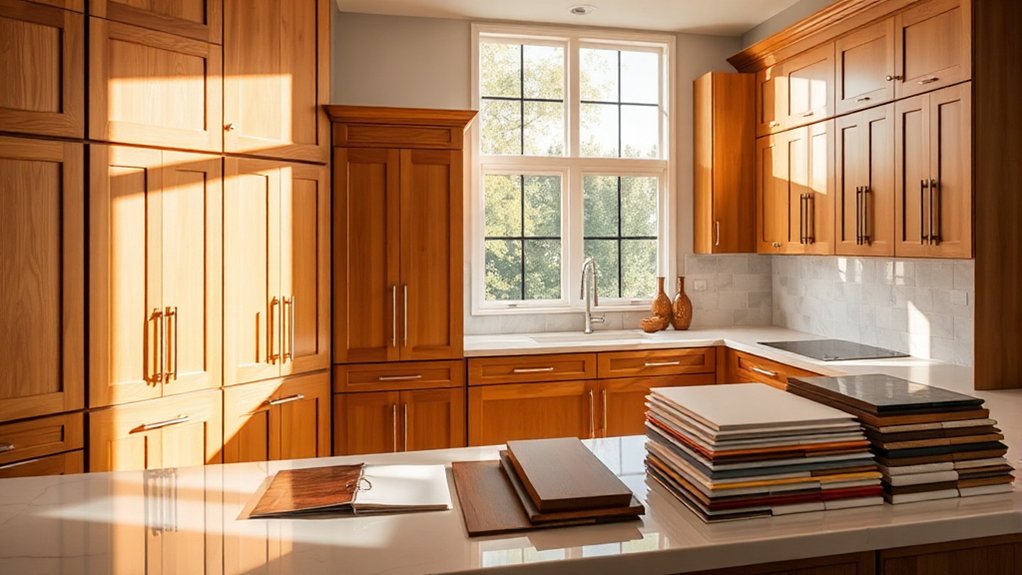
Semi-custom cabinets cost more than stock options, but they give you more flexibility in size, style, and finish. You’ll usually see prices range from about $150 to $650 per linear foot, with many projects landing in the middle.
Your final cost depends on the door style, wood species, cabinet depth, storage upgrades, and the finish you choose. In price comparisons, semi-custom lines often sit between ready-made and fully tailored cabinetry, so they’re a practical step up when you want a better fit without going all-in on bespoke work.
This subtopic relevance matters because you can adjust dimensions for awkward spaces, add inserts, and pick from more design choices. If you’re planning a full kitchen, these cabinets can raise your budget, but they also tend to improve appearance and function in a way that stock options can’t always match.
What Custom Cabinets Usually Cost
Custom cabinet prices can vary quite a bit depending on the wood, finish, and hardware you choose. Labor and installation can also make up a significant part of the total. And if you want a more tailored look, design work and custom finishes may add to the cost.
Material Price Ranges
Custom cabinets usually cost more because you’re paying for better materials, built-to-fit construction, and the flexibility to choose exactly what you want. Your material pricing shifts a lot based on wood species, plywood grade, and finish quality.
For painted cabinets, you’ll usually pay less for maple or birch than for cherry, walnut, or rift-cut oak. If you want premium doors, dovetail drawers, and thicker box panels, expect the price to climb.
Exotic woods and high-end veneers can raise costs fast, especially when the supply chain tightens and availability drops. You can also save money with laminate or thermofoil options, but they won’t match solid wood.
In general, budget more for the face frames, doors, and drawer fronts, since those parts drive the biggest material difference.
Labor And Installation
Labor can make up a big share of your custom cabinet budget, especially if your kitchen needs careful measuring, leveling, scribing, or electrical and plumbing adjustments. You’ll usually pay for demolition, delivery, assembly, and secure mounting, and those costs rise when your layout is tricky or your walls aren’t square.
Many installers charge by the hour or by the project, so you should ask for a clear scope before work starts. If you want a fast turnaround, expect to pay more for tighter scheduling.
Complex islands, tall pantry runs, and built-in trim also add labor time. Good installers protect your investment, keep gaps tight, and help your cabinets align with current design trends and color psychology, since placement affects how your space feels and flows.
Design And Finish Costs
Design and finish choices can shift your cabinet budget just as much as installation, especially if you want a fully customized look. You’ll pay more when you add inset doors, decorative panels, specialty molding, or hand-applied stains.
Custom paint matching, glaze layers, and distressed finishes can also raise costs quickly. If you follow current design trends, expect higher prices for slim shaker profiles, matte surfaces, and mixed-material details.
Your finish matters too: darker tones often need extra prep, while lighter colors may hide less and require better craftsmanship. Color psychology can guide your choice, but every extra step adds labor and materials.
For custom cabinets, design and finish upgrades often range from modest premiums to several thousand dollars, depending on complexity and scale.
How Cabinet Materials Affect Price
What drives cabinet prices the most? Material choice, because you’re paying for durability, weight, and how much labor each cabinet needs. If you want a budget-friendly kitchen, you’ll usually save with plywood or MDF. If you want a premium feel, solid wood costs more, and exotic species cost even more.
- MDF: smooth, affordable, and great if you’re watching your budget.
- Plywood: stronger than MDF, often worth the extra cost.
- Solid wood: durable and classic, but pricier.
- Premium hardwoods: the highest cost, especially for custom work.
You’ll also notice material decisions connect with design trends and color psychology, since different woods and composites change how a room feels. Lighter materials can make a space seem open, while darker ones feel richer. Pick the material that matches your daily use, your budget, and the look you want to live with.
How Finish and Style Change Cabinet Prices
Finish and style can move cabinet prices almost as much as the material itself. You’ll usually pay more for painted finishes than for simple stain because paint takes extra prep, sanding, and sealing. A custom finish color can also raise the price, especially if you want a specialty shade or a hand-finished look.
High-gloss surfaces often cost more than matte ones, and glazing, distressing, or two-tone treatments add labor and steps. Style matters too: Shaker cabinets often stay affordable, while raised-panel, inset, or ornate designs cost more because they require tighter tolerances and more craftsmanship.
You may also see price jumps when you choose detailed profiles that change the material texture visually and feel more refined. If you want a premium look without overspending, choose a standard style with a clean finish. That way, you keep your design polished while controlling your cabinet budget.
What Cabinet Installation Adds to the Bill
Installation can add a noticeable chunk to your cabinet budget because you’re paying for skilled labor, removal of old units, leveling, fastening, and final adjustments. Treat it as a separate line item during budget planning, since labor rates vary by region and project complexity.
If your walls aren’t square or your kitchen layout changes, installers may spend extra time fitting each box correctly, which raises the bill. You can lower costs with smart cost saving tactics, but don’t cut corners on precision.
- Ask for a detailed labor quote upfront.
- Clear the workspace before installers arrive.
- Reuse existing openings when possible.
- Schedule work alongside other remodeling tasks.
You’ll also pay more if the crew must haul away debris or make on-site fixes. Comparing bids helps you spot inflated charges and choose a fair price without sacrificing quality.
Cabinet Hardware and Accessory Costs
Cabinet hardware can quietly raise your total more than you might expect, since knobs, pulls, hinges, drawer slides, and soft-close mechanisms all add up fast. You may choose basic finishes and standard sizes to keep cabinet hardware costs lower, or you can step up to designer styles, which often cost more per piece.
Specialty accessories also increase accessory costs, especially if you want pull-out trash bins, spice inserts, lazy Susans, tray dividers, or drawer organizers. Each upgrade seems small on its own, but the full package can change your cabinet price noticeably.
You’ll also pay more for matching finishes across every door and drawer, and premium hardware usually needs more careful installation. If you’re comparing cabinet quotes, check whether hardware is included or priced separately. That detail can make one offer look cheaper at first, even when it isn’t.
How to Budget for Kitchen Cabinet Upgrades
Once you’ve added up hardware and accessory costs, the next step is setting a clear budget for your cabinet upgrades. Start with your total spending cap, then break it into categories so you can make smarter choices during budget planning.
Include cabinets, installation, delivery, and any permit or design fees you expect. You should also leave room for surprises, because small changes can push your costs higher quickly.
- Set your maximum budget.
- Assign amounts to each cost category.
- Compare quotes from multiple suppliers.
- Review financing options before you commit.
If you can’t pay the full amount upfront, financing options may help you spread payments over time. Just make sure the monthly amount fits your household cash flow.
When you plan carefully, you’ll know exactly what you can afford and avoid stretching beyond your means.
Ways to Save on New Kitchen Cabinets
Looking for ways to cut costs without sacrificing style? Start with budget planning so you know where every dollar goes before you shop.
You can save by choosing stock cabinets instead of custom ones, or by mixing high-end features with simpler box styles. Compare quotes from several suppliers and ask about clearance models, open-box returns, and seasonal sales.
Smart material sourcing also helps: pick durable but affordable plywood, laminate, or thermofoil finishes rather than premium hardwood everywhere. If your existing cabinet boxes are solid, reface or repaint them instead of replacing everything.
You can also trim costs by handling demolition yourself, keeping your layout, and using standard sizes that reduce labor. Focus your spending on the details you notice most, like doors and hardware, and skip extras that won’t add much value.
With careful planning, you’ll stretch your budget further and still get a kitchen that looks polished.
Frequently Asked Questions
How Long Do Kitchen Cabinets Usually Last?
Kitchen cabinets usually last 15 to 30 years, and you can stretch that with good care. Their cabinet durability depends on material, installation, and how hard you use them. Solid wood and quality plywood often deliver better lifespan longevity than cheaper particleboard. You’ll extend them by cleaning spills quickly, tightening hardware, and avoiding excess moisture. If you maintain them well, your cabinets can look and work great for decades.
What Permits Are Needed for Cabinet Installation?
You usually don’t need permits for simple cabinet installation, but about 40% of remodels do require one when you change plumbing, electrical, or structural elements. Check your local building department before you start.
If you’re only replacing cabinets in the same layout, permits needed are often none. For cabinet installation that moves walls, adds outlets, or alters plumbing, you’ll likely need approvals, inspections, and final sign-off.
Can I Reuse Old Cabinet Boxes?
Yes, you can reuse old cabinet boxes if they’re solid, level, and dry. You should inspect box durability first, checking for sagging, water damage, loose joints, and warped panels.
If the boxes are sturdy, you can save money by reusing boxes and just replacing doors, drawers, and hardware. You’ll get a fresher look without starting from scratch, but damaged boxes usually aren’t worth keeping.
How Should I Measure My Kitchen for Cabinets?
You should measure each wall’s width, height, and depth first, then note windows, doors, outlets, and plumbing. Use a tape measure and record everything in inches.
For accurate cabinet layout planning, sketch your kitchen and mark appliance locations, clearances, and corner spaces. Double-check each measurement twice so you catch mistakes early.
If your room isn’t square, measure at multiple points and use the smallest numbers for fit.
What Cabinet Trends Are Most Popular Now?
You’ll see bold color palettes beside quiet neutrals, with flat-front doors, warm wood grain, and slim hardware stealing the spotlight. You’re also noticing trend shifts toward mixed materials, open shelving, and concealed storage that keeps kitchens sleek yet lived-in.
Matte finishes feel fresh, while soft green, navy, and natural oak add contrast. If you want a current look, you can blend texture, simplicity, and personality without making your space feel dated.
Conclusion
You may start with a modest budget, but your cabinet choices can quickly raise the final price. Stock cabinets keep costs low, while custom options give you more freedom and a bigger bill.
Simple materials and basic hardware help you save, but premium finishes and professional installation add polish and expense. Plan carefully to balance style and cost, and create a kitchen that feels practical and personal. Knowing these prices for new kitchen cabinets can help you make confident choices.