How Many Gallons Does a Kitchen Trash Can Usually Hold?
Choosing the right kitchen trash can can be trickier than it seems. If yours fills up too quickly or takes up too much space, you’re not alone—many people struggle to find the…

Choosing the right kitchen trash can can be trickier than it seems. If yours fills up too quickly or takes up too much space, you’re not alone—many people struggle to find the right fit. So, how many gallons does a kitchen trash can usually hold?
A kitchen trash can usually holds 13 gallons, and that’s the most common size for everyday household use. If you’ve got a small apartment, a 10-gallon can may work better, while busy households often prefer 16 to 20 gallons for extra capacity.
You should match the size to your waste volume, cooking frequency, and available space. The right choice helps cut overflow and odors, and there’s more to consider if you want the best fit.
Key Takeaways
- A typical kitchen trash can usually holds about 13 gallons.
- The most common everyday kitchen sizes are 10, 13, and 16 gallons.
- Small kitchens or tight spaces often use 7–10 gallon cans.
- Busy households may prefer 16–20 gallon cans for more capacity.
- Larger 30+ gallon cans are better for garages, outdoors, or heavy waste.
What Is a Standard Kitchen Trash Can?
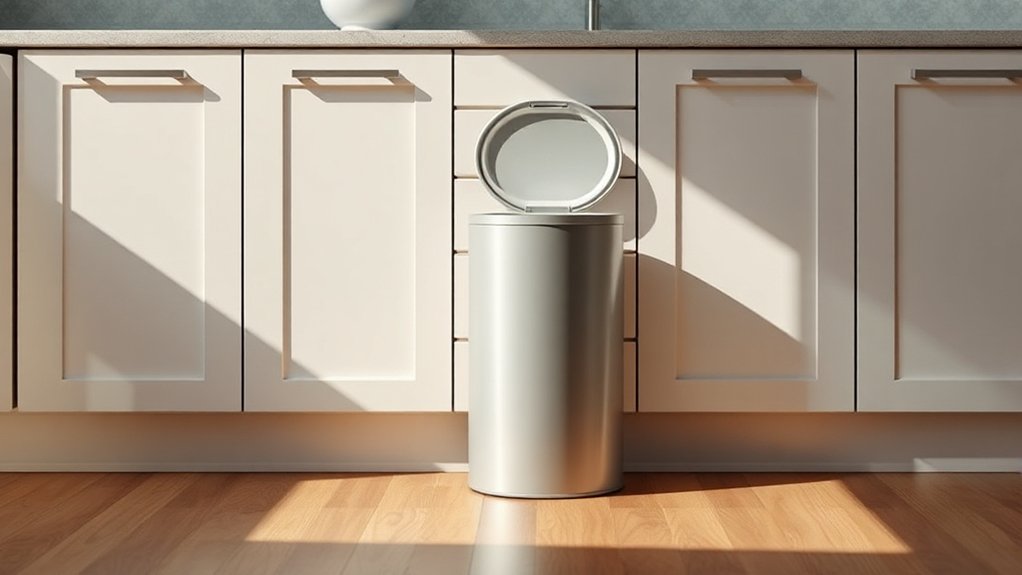
A standard kitchen trash can usually holds about 13 gallons, which is the most common size for everyday household use. When you shop for one, you’ll usually see this standard size in tall, slim, or rectangular shapes that fit beside counters or under sinks.
You want a can with enough waste capacity for daily scraps, food packaging, and light cleanup without crowding your floor space. Most homes choose this size because it balances convenience and practicality.
If you cook often, host guests, or run a busy kitchen, you may still prefer this common option because it fills at a manageable pace and accepts standard liners easily. You can also compare lid styles, pedal mechanisms, and material quality, but the core idea stays the same: a standard kitchen trash can gives you reliable, everyday storage for routine household waste.
How Many Gallons Do Trash Cans Hold?

Trash cans come in a wide range of sizes, from small 2- to 5-gallon bins to large outdoor cans that can hold 30 gallons or more. You’ll usually see capacities that fit specific rooms, cleaning habits, and trash can dimensions. For waste volume planning, think about how much garbage you create each day and how often you empty it.
| Gallons | Typical use |
|---|---|
| 2–5 | Bathroom or desk |
| 8–10 | Small office |
| 13 | Kitchen counter |
| 20 | Busy family area |
| 30+ | Garage or outdoors |
A smaller bin works if you want frequent emptying, while a larger one helps you handle heavier waste without constant trips to the curb. When you compare options, focus on capacity first, then measure the space you have available. That way, you’ll choose a trash can that matches your routine and keeps your home organized.
10-Gallon vs. 13-Gallon Trash Cans
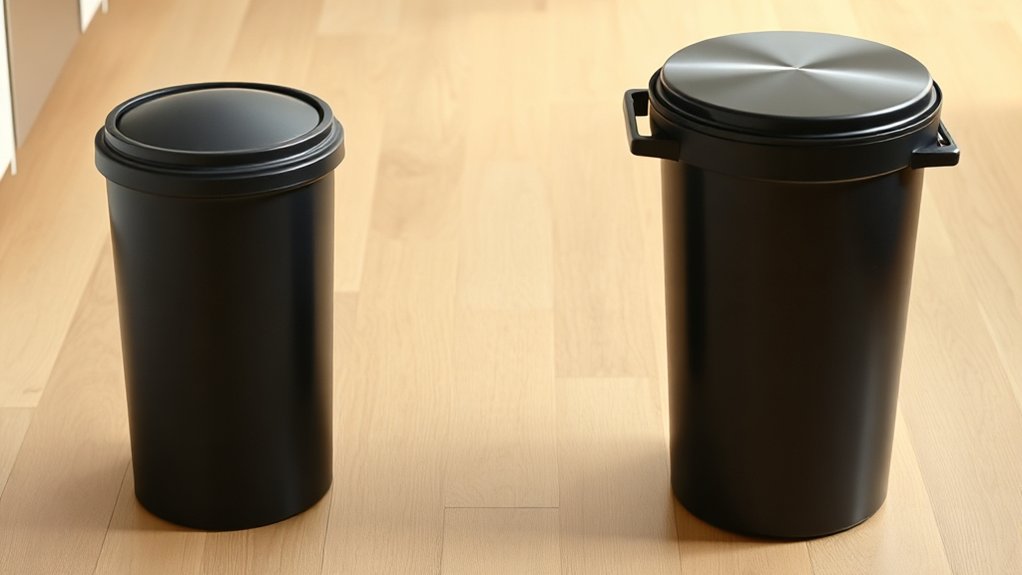
When you narrow your choices to 10-gallon vs. 13-gallon trash cans, the difference may seem small, but it can affect how often you empty the bin and how well it fits your space.
A 10-gallon can works well if you cook less, live alone, or want a slimmer bin under a tight counter. In gallon equivalents, it’s about 1.33 cubic feet, so it takes up less room.
A 13 gallon comparison shows the larger can holds about 1.73 cubic feet, giving you extra capacity for busy kitchens, families, or frequent meal prep. You’ll usually empty it less often, but you may need more floor space.
If you use standard trash bags, both sizes are easy to find, though the 13-gallon option usually matches common tall kitchen bags. Choose the size that fits your routine, not just the label.
When a 20-Gallon Trash Can Makes Sense
Sometimes, a 20-gallon trash can makes sense if your kitchen sees a lot of use and a 13-gallon bin fills up too fast. With this 20 gallon capacity, you’ll handle more scraps, packaging, and daily waste before taking out the bag. That can save you trips to the curb and keep your floor less cluttered. It also works well in use case scenarios like busy family kitchens, homes that cook often, or spaces where guests gather frequently.
- You cook several meals a day.
- You generate more recycling and trash together.
- You want fewer bag changes during the week.
A larger can can fit your routine without feeling oversized, especially if your kitchen has room for it. When your household creates steady waste, the extra volume feels practical, not wasteful.
How to Choose the Right Trash Can Size
Choose a trash can size that fits your kitchen without crowding the space. Think about how much waste your household produces each week—that’ll help you avoid choosing a bin that’s too small or too large. And consider where you’ll put it, since the right spot can make everyday use much easier.
Kitchen Size Matters
How do you pick the right trash can size for your kitchen? Start by matching the can to your layout so it fits cleanly without blocking doors, drawers, or walkways. In tight spaces, a slimmer bin improves kitchen ergonomics and keeps cleanup easy. If you sort scraps, recycling, and trash, choose a size that supports waste sorting without crowding your prep area.
- Measure the floor space beside your cabinet or sink.
- Check the lid swing and pedal clearance.
- Pick a shape that fits your traffic flow.
You don’t need the biggest can; you need one that feels natural to use every day. A well-sized trash can helps you stay organized and keeps your kitchen comfortable, efficient, and easy to maintain.
Household Waste Volume
Next, think about how much waste your household actually produces before you choose a trash can size. If you cook often, buy in bulk, or have kids at home, your waste volume will usually be higher than a smaller household’s.
A 10- to 13-gallon can often fits everyday kitchen use, but you may need more trash capacity if you fill liners quickly or empty the bin more than once a day. Watch your weekly habits instead of guessing.
Food scraps, packaging, and paper towels add up fast, and recycling can lower the load. Choose a can that matches your routine, not just your room size. When your trash capacity aligns with real waste volume, you’ll empty the bin less often and avoid overflow.
Bin Placement Needs
Once you know how much trash your household makes, check where the can will actually live. Bin placement matters as much as waste volume, because a too-large can blocks walkways, while a too-small one overflows fast.
Measure the nook under your counter, next to the fridge, or by the pantry before you buy. Then match the can to your routine:
- If you cook often, choose a larger bin for frequent scraps.
- If space is tight, pick a slimmer shape that still fits your waste volume.
- If you empty trash daily, a mid-size can may work best.
You’ll save steps, avoid clutter, and keep the kitchen easier to clean. The right size should fit your space and your habits.
Measure Your Kitchen Space
Before you choose a kitchen trash can, measure the space where it will sit so you know what size fits comfortably without blocking cabinets, walkways, or appliances. Use a tape measure to note the width, depth, and height of the open area, then compare those numbers with the footprint of the bin you want.
Measure your space first so your kitchen trash can fits without crowding cabinets, walkways, or appliances.
Give yourself a little clearance so you can lift the lid, pull the can out, and clean around it easily. Good space planning also helps you decide whether a slim, round, or rectangular shape works best in your kitchen layout.
If you sort waste, make sure you leave room for extra containers or a dual-bin setup, because waste sorting can change how much floor space you need. Check nearby doors, drawers, and the dishwasher too, since a can that looks small on paper may still feel cramped in use.
Measuring first keeps your kitchen functional, tidy, and easier to navigate.
What Trash Can Dimensions Should You Know?
Know the standard trash can sizes, since each gallon capacity usually corresponds to a particular height and width. Check the dimensions to make sure the can fits your kitchen without blocking cabinets or drawers. If you plan to tuck it under a counter, leave enough clearance for easy access.
Standard Can Sizes
When shopping for a kitchen trash can, size matters just as much as style. You’ll usually see standard capacities like 10, 13, and 16 gallons, and each suits a different household routine.
A 10-gallon can works well if you cook lightly or empty trash often. A 13-gallon model fits most kitchens and matches common liner sizes. A 16-gallon option gives you more room for busy families or frequent meal prep.
Look for stainless steel if you want a cleaner look, and pedal operation if you prefer hands-free use.
- 10 gallons: compact and efficient
- 13 gallons: the everyday standard
- 16 gallons: larger capacity for heavy use
Height And Width
Height and width matter just as much as gallon capacity, because a trash can has to fit your kitchen layout and still be easy to use. You should check both measurements before you buy, since a tall, narrow model can feel different from a shorter, wider one. That’s the subtopic relevance here: dimensions affect reach, bag fit, and stability. An irrelevant pairing would be choosing a can only by color and ignoring size.
| Dimension | Typical range |
|---|---|
| Height | 20–30 inches |
| Width | 10–18 inches |
| Depth | 10–18 inches |
Measure the spot you’ve got, then compare those numbers with the can’s footprint so you don’t end up with awkward clearance problems.
Cabinet Fit Considerations
Cabinet fit matters just as much as overall height and width, especially if you want a trash can to sit under a sink or inside a pull-out base cabinet. You should measure the opening, interior depth, and clearance for hinges, plumbing, and slide hardware before you buy.
Good space planning keeps the can easy to remove and won’t waste storage.
- Check width first so the can slides in without scraping sides.
- Measure depth to avoid hitting pipes, braces, or cabinet backs.
- Leave height clearance for lids, swing arms, or mounting tracks.
When cabinet fit is tight, a slimmer rectangular bin often works better than a round one. Matching dimensions to your cabinet saves frustration and helps you choose the right gallon size.
Match Trash Can Size to Waste Volume
A good rule of thumb is to match your trash can to how much waste your kitchen actually produces each day. If you cook often, compost less, or have a larger household, you’ll fill a can faster and may need a bigger size.
If you buy fewer groceries, eat out often, or recycle most packaging, a smaller can may work better and keep waste from sitting too long. For trash can optimization, watch your fill level for a week and note how often you empty it.
That simple check gives you better waste volume forecasting than guessing. Aim for a can that reaches about three-quarters full before pickup or emptying, since that helps control odors and overflow.
A quick fill-level check beats guessing and helps your can stay about three-quarters full before emptying.
You don’t need the biggest bin available; you need one that fits your real routine. When your can matches your waste habits, you’ll spend less time managing trash and more time keeping your kitchen clean.
Best Trash Can Sizes by Kitchen Type
For a small apartment, a compact trash can can fit neatly into tight spaces. Just keep in mind that you may need to empty it more often.
In a family kitchen, a mid-sized can usually handles daily food scraps and packaging. If you often entertain, though, a larger bin can help keep up with the extra waste. Choosing a size that suits your kitchen makes it easier to stay organized and avoid overflow.
Small Apartments
In a small apartment, every inch counts, so you’ll usually want a kitchen trash can in the 7- to 10-gallon range. This size helps you manage kitchen waste volume without crowding a narrow floor plan. You’ll empty it often enough to avoid odors, but not so often that it becomes annoying.
- Choose a slim profile to fit beside cabinets or under the sink.
- Pick a lid that opens cleanly in tight spaces.
- Match capacity to how often you cook and toss scraps.
If you live in small apartments, a smaller can usually works best because it keeps cleanup simple and storage easy. You don’t need a huge bin when your kitchen produces modest daily trash.
Family Kitchens
Family kitchens usually do best with a 13- to 20-gallon trash can, since meal prep, leftovers, and constant traffic can fill a smaller bin fast. You’ll want a size that handles daily scraps without crowding your floor.
A pull-out model can keep things tidy, and a sturdy lid helps control odors. If you sort waste, plan for trashcan recycling and composting options nearby.
| Kitchen need | Best size |
|---|---|
| Light daily use | 13 gallons |
| Busy family meals | 16 gallons |
| Frequent cooking | 18 gallons |
| Waste sorting setup | 20 gallons |
| Tight cabinet space | Slim 13-gallon |
Choose a can you can empty easily, and you’ll keep cleanup simple.
Large Entertaining Spaces
Large entertaining spaces usually need a 20- to 30-gallon trash can, because guests, party prep, and cleanup can generate far more waste than a typical kitchen day. When you’re planning trash can sizing for large entertaining, choose a larger model that won’t overflow during gatherings.
You’ll also want easy access, a sturdy lid, and a shape that fits beside prep zones or under a counter.
- Pick 20 gallons for moderate hosting.
- Choose 30 gallons for frequent parties.
- Add a second bin for recyclables.
A bigger can helps you avoid constant bag changes and keeps traffic flowing when you’re serving food. If your kitchen handles big events often, size up so you can focus on hosting, not hauling trash.
Pick the Right Trash Can Liner Size
Choosing the right trash can liner size starts with the can’s actual gallon capacity, not just its shape or label. When you buy liners, match the bag to the can, then add a little extra room for folding over the rim.
A 13-gallon kitchen can usually fits a 13- to 16-gallon liner, while a 20-gallon can often needs a 30-gallon bag for easier tying and fewer tears. If you use a slim or square can, check the liner’s height and width, since those measurements matter more than the brand name.
You can also test one bag before buying a big box. If the liner slips inside too far, it’s too small. If it bunches badly, it’s too large.
Skip the unrelated topic of decorative prints unless you want style, not function. And if you’re asking an offbeat question about stretchiness, remember: stronger material helps, but the right size prevents messes first.
Frequently Asked Questions
How Do I Clean a Kitchen Trash Can Safely?
You can clean your kitchen trash can safely by emptying it, wearing gloves, and rinsing it outdoors or in a bathtub. Scrub it with warm water, dish soap, and a sponge, then rinse well.
For cleaning safety, avoid mixing bleach with ammonia or other cleaners. Dry it completely before use.
Sprinkle baking soda inside for odor control, and wipe the lid and handle often to keep germs from building up.
What Materials Are Best for a Kitchen Trash Can?
You’ll usually want stainless steel, heavy-duty plastic, or coated metal for a kitchen trash can. Stainless steel is durable, resists odors, and looks clean. Plastic costs less, weighs less, and comes in a wide variety of sizes. Coated metal adds extra toughness and wipes down easily.
For convenience, pick a can with a removable liner and a tight lid to help keep your kitchen fresher and cleaner.
How Often Should I Replace a Kitchen Trash Can Liner?
You should replace your kitchen trash can liner every time it’s full or dirty; that usually means daily in busy homes. About 75% of households empty kitchen trash at least once a day, so liner replacement stays frequent.
You’ll also want a fresh liner after leaks, odors, or sticky messes. If you notice tears or slipping, swap it sooner. Regular liner replacement keeps your kitchen cleaner, fresher, and easier to manage.
Do Kitchen Trash Cans Need Pedal Lids?
You don’t need a pedal lid on your kitchen trash can, but you may want one for easier, cleaner use. A pedal lets you open the lid hands-free, so you can toss scraps while cooking without touching the can. It’s especially handy in busy homes.
However, a swing-top or open can can work fine too. Your choice depends on convenience, hygiene, and your two-word discussion idea 1 and two-word discussion idea 2.
Can a Kitchen Trash Can Help Reduce Odors?
Yes, you can keep those less-than-fresh kitchen notes in check with the right trash can. You’ll improve odor control by choosing a tight-sealing lid, emptying it often, and using liners or baking soda. Material options matter too: stainless steel resists smells better than porous plastic, and antimicrobial finishes can help. You won’t eliminate every scent, but you’ll noticeably reduce the lingering aromas and keep your kitchen feeling cleaner.
Conclusion
So, how many gallons should your kitchen trash can hold? For most homes, a 13-gallon can is the sweet spot because it fits daily kitchen waste without taking up too much space. For example, if you cook every night for a family of four, a 20-gallon bin may save you from constant bag changes.
Choose the size that matches your waste, your kitchen layout, and how often you want to take the trash out. For most households, a 13-gallon kitchen trash can is a practical choice.