10 Budget Tips for How Much a Kitchen Remodel Costs
Kitchen remodel costs can be hard to pin down, and it’s easy to worry that your dream kitchen will stretch your budget too far. You’re not alone—many homeowners struggle to balance must-haves…

Kitchen remodel costs can be hard to pin down, and it’s easy to worry that your dream kitchen will stretch your budget too far. You’re not alone—many homeowners struggle to balance must-haves with costs. These 10 budget tips can help you plan how much a kitchen remodel costs and make the most of every dollar.
A kitchen remodel can range widely, so set your maximum budget first and rank must-haves before you spend. Break costs into cabinets, counters, and labor, since labor often jumps when plumbing or electrical moves. Get three quotes, compare line items, and check permits early. Save money with stock cabinets, affordable counters, and reused fixtures. Time bids well, choose finishes that mimic premium looks, and keep 10% to 20% aside for surprises. There’s more to fine-tune.
Key Takeaways
- Set a firm maximum budget early, then rank must-haves versus flexible upgrades to control scope creep.
- Divide spending into cabinets, counters, and labor, since these usually drive most kitchen remodel costs.
- Get at least three itemized quotes to compare scope, timelines, allowances, and hidden gaps.
- Expect a 10% to 20% contingency for permits, demo surprises, delays, and material price changes.
- Save money by using stock cabinets, affordable counters, and reused fixtures that still achieve a high-end look.
How Much Does a Kitchen Remodel Cost?
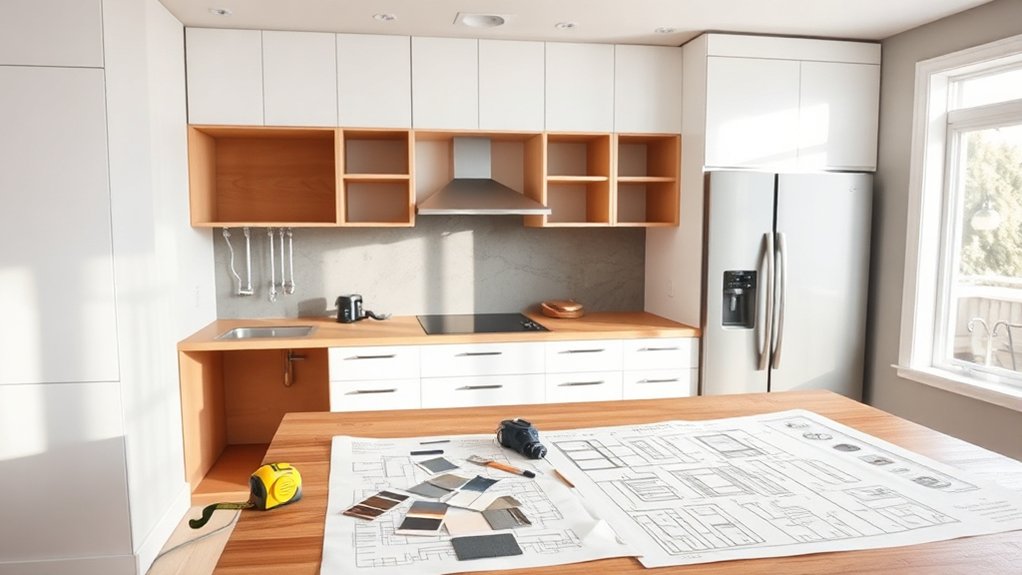
So, how much does a kitchen remodel cost? It depends on the changes you want, the size of your kitchen, and the finishes you choose.
You might spend a modest amount on fresh paint, new hardware, and updated lighting, or you could invest far more in cabinets, countertops, appliances, and layout changes.
Labor often takes a large share, especially if you move plumbing or electrical lines. Smart budget planning helps you compare options before you commit.
You can also find material savings by choosing durable midrange products, shopping sales, or keeping parts of your existing layout.
If you focus on the features that matter most to you, you’ll control costs without sacrificing style. Think of your remodel as a range, not a fixed number, and you’ll make better decisions from the start.
Set Your Kitchen Remodel Budget
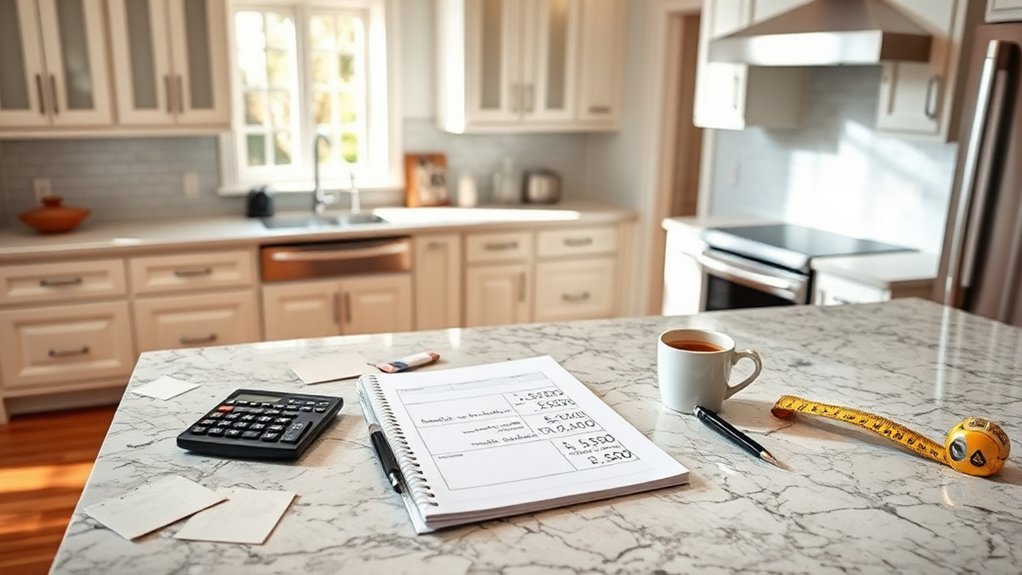
Once you understand the range of kitchen remodel costs, the next step is to set a budget that fits your goals and your finances. Start by deciding how much you can spend without stretching your emergency savings or monthly cash flow.
Set a budget you can afford comfortably, without straining your savings or monthly cash flow.
Then rank your priorities so you know where you can splurge and where you can stay flexible. Don’t let budgeting myths convince you that every remodel needs a huge contingency or premium finishes. Instead, build a realistic plan around your household needs and timeline.
- Set a firm maximum.
- Identify must-haves.
- Leave room for unexpected changes.
- Research material sourcing early.
Smart material sourcing can lower stress and help you compare options before you commit. As you refine your numbers, keep your plan simple, realistic, and aligned with the lifestyle you want from your new kitchen.
Break Down Cabinet, Counter, and Labor Costs

To keep kitchen remodel costs under control, break your budget into three main buckets: cabinets, counters, and labor. Cabinets often take the biggest share, so compare cabinet materials like stock, semi-custom, and custom based on fit and finish.
Counters come next, and your countertop options can swing widely in price depending on the surface, edge detail, and installation complexity. Labor covers demolition, carpentry, plumbing, electrical, and finishing, so ask for line-item estimates instead of one lump sum.
You’ll spot overruns faster when each task has its own cost. If your numbers start creeping up, adjust one bucket before you sign anything.
Maybe you choose simpler cabinets, a more modest counter surface, or a contractor with a clearer scope. When you divide expenses this way, you can see where your money goes and make smarter decisions without guessing.
How to Save on Kitchen Remodel Materials
You can save on a kitchen remodel by choosing affordable materials that still look great and hold up over time. Shop around and compare prices from different suppliers before buying cabinets, countertops, or flooring. And whenever possible, reuse existing fixtures to keep more money in your budget.
Choose Affordable Materials
Affordable materials can trim kitchen remodel costs fast without sacrificing style or durability. You can keep your kitchen looking polished by making smart material swaps that fit your goals and your budget. Choose options that mimic high-end finishes, but cost far less.
- Pick laminate or butcher block instead of stone for counters.
- Use stock cabinets with new hardware for a custom feel.
- Select ceramic tile over pricier natural stone.
- Choose engineered flooring for durability and lower cost.
These budget friendly choices let you spend where it matters most, like layout or lighting. By focusing on value-driven materials, you control expenses without settling for a bland result.
Keep your design simple, practical, and flexible, and you’ll get a kitchen that looks great and stays within budget.
Compare Supplier Prices
Where can you find the best deal on kitchen remodel materials? You can start by comparing quotes from local lumberyards, big-box stores, and online retailers. A smart supplier comparison helps you spot hidden fees, delivery charges, and bulk discounts before you commit.
Ask each vendor for the same item list so you can compare apples to apples. Watch for price fluctuations too, because cabinet hardware, tile, and countertops often change cost week to week.
If one supplier offers a lower base price, check whether another includes free shipping or a price match. When you track offers carefully, you’ll avoid overpaying and stretch your remodeling budget further without sacrificing quality or style.
Reuse Existing Fixtures
Reuse what still works to trim your kitchen remodel costs without losing function or style. You can keep cabinets, sinks, and lighting if they’re solid and fit your new layout. Reused fixtures cut material costs fast, and they often need only fresh hardware, paint, or a deep clean to look updated. Before you replace anything, check how each piece connects to your existing plumbing and electrical setup.
- Inspect cabinets for damage, sagging, and usable doors.
- Salvage a sink, faucet, or light fixture when they still perform well.
- Refinish surfaces instead of buying new ones.
- Reinstall items in smarter spots to avoid costly changes.
Keep Your Kitchen Layout the Same
Keeping your kitchen layout the same can cut remodel costs fast because you avoid moving plumbing, gas lines, and electrical hookups. You also sidestep major framing changes, which helps you stay grounded in budgeting realities while still improving style and function.
Work with your existing footprint and place appliances where they already fit best, unless a change truly solves a problem. That approach lets you focus money on finishes, cabinets, and lighting instead of expensive structural work.
If you’re planning a budget remodel, respect your layout constraints early. Measure carefully, note where doors swing, and keep sink, stove, and refrigerator zones close to their current locations.
Small updates, like better storage, new hardware, and fresh surfaces, can still transform the room. By keeping the core plan intact, you’ll protect your budget and make the project simpler to manage from start to finish.
Compare Contractor Quotes
Get at least three contractor quotes so you can compare pricing, scope, and timelines before you commit. Ask each contractor for a detailed bid that breaks out labor, materials, and allowances so you can spot gaps fast. Then compare more than the bottom line. A low quote can hide weak communication or vague deliverables.
- Check that every quote covers the same work.
- Review payment schedules and note any large upfront demands.
- Ask how they handle change orders and delays.
- Compare references, licensing, and insurance before you decide.
Use the quotes to negotiate better terms, not just a lower price. If one contractor gives a longer timeline, ask why and whether you can dispute timelines with documented milestones. You should also negotiate warranties on labor and products so you know who stands behind the finished kitchen.
When you evaluate each bid side by side, you’ll choose the contractor who fits your budget and gives you confidence.
Plan for Permits and Hidden Costs
Budget for permit fees and wait times, since approvals can add to both the cost and timeline of your kitchen remodel. It’s also smart to set aside a buffer for surprises, like code updates, repairs, or material changes. That extra cushion can help keep your project on track if unexpected expenses come up.
Permit Fees and Approvals
Before the first cabinet comes out, check which permits your kitchen remodel needs and what each one costs, since fees, inspections, and plan approvals can add up fast. You’ll usually pay for permit fees based on project scope, and the approvals process can take longer if your plans need revisions. Ask your contractor or local building department what’s required for plumbing, electrical, or structural work.
- Confirm permit types.
- Request fee estimates.
- Review submittal rules.
- Schedule inspections early.
If you skip permits, you can face delays and rework that throw off your budget. Keep copies of every receipt, stamped plan, and inspection date so you can track what you’ve paid and what still needs approval.
Hidden Costs Buffer
Even with permits and approvals mapped out, your remodel budget still needs room for surprises. You might uncover hidden costs once demolition starts, like damaged wiring, plumbing fixes, mold, or structural repairs.
Keep a contingency fund of 10% to 20% so you can handle these issues without stalling the project. You’ll also want to account for delivery delays, rush fees, and price changes on materials if your schedule slips.
Good contingency planning helps you stay flexible when an inspector asks for extra work or a contractor finds something unexpected behind the walls. Build this buffer into your total from the start, not after costs rise.
That way, you protect your timeline, reduce stress, and avoid scrambling for cash when surprises show up.
When Remodeling Timing Can Save Money
Timing can make a real difference in kitchen remodel costs, especially if you schedule the project during slower seasons when contractors have more availability. You can often capture timing savings by booking before peak spring and summer demand, when crews may quote more competitively and offer seasonal discounts.
To stretch your budget, consider:
- Getting bids in the off-season
- Locking in labor early
- Planning around supplier slowdowns
- Avoiding rushed change orders
When you give your contractor flexible start dates, you may gain leverage on scheduling and pricing. You also reduce the chance of paying premium rates for last-minute openings.
If your home can handle a temporary kitchen setup, you can wait for a window that lowers costs without sacrificing quality. Just keep your timeline realistic so delays don’t erase the savings.
Strategic timing won’t change every line item, but it can trim enough from labor and coordination to make a noticeable difference.
Choose Budget-Friendly Finishes That Still Look Great
Once you’ve saved on scheduling, put those dollars toward finishes that deliver the biggest visual impact without blowing your budget. You can keep your kitchen looking polished by choosing budget friendly materials that mimic pricier options. For cabinets, consider painted MDF or wood veneer instead of solid hardwood.
For counters, quartz-look laminate or butcher block can create a fresh, modern feel at a lower price. You’ll also get more value from durable finishes like satin paint, ceramic tile, and matte hardware, since they handle daily wear while staying stylish.
If you want a high-end look, focus on a few strategic aesthetic upgrades, such as a bold backsplash, statement faucet, or updated cabinet pulls. These details draw attention without forcing you to overspend on every surface.
Staying cost conscious doesn’t mean settling for bland choices; it means picking materials that balance beauty, performance, and price so your remodel feels intentional, cohesive, and worth every dollar.
Build in a Contingency Fund
No matter how carefully you plan, unexpected costs can still show up during a kitchen remodel, so it’s smart to set aside a contingency fund from the start. Aim for 10% to 20% of your total budget contingency, depending on the age of your home and the scope of work.
If you uncover hidden plumbing damage or outdated wiring, you’ll be glad you prepared for unexpected overruns.
Use your reserve wisely:
- Cover surprise demolition findings.
- Handle permit or inspection changes.
- Pay for material price increases.
- Protect your timeline from delays.
Keep this money separate from your main remodel account so you don’t spend it on upgrades you don’t need.
If you finish with cash left over, you can apply it to hardware, lighting, or a final polish. Planning for surprises doesn’t mean you expect failure; it means you’re protecting your project, your wallet, and your peace of mind.
Frequently Asked Questions
How Long Does a Typical Kitchen Remodel Take?
A typical kitchen remodel takes 6 to 12 weeks, but your remodel timeline can stretch to 3 months or more if you change layouts or hit supply delays. You can keep project scheduling smoother by finalizing designs early, ordering materials ahead, and lining up your contractor before demolition starts.
Smaller updates move faster, while custom work and inspections add time. Stay flexible, and you’ll avoid frustrating delays.
Should I Remodel My Kitchen Before Selling My Home?
Usually, you shouldn’t remodel your kitchen before selling unless it’s outdated enough to scare buyers away. Ironically, the room you want to “fix” can be the one that costs you most. You’ll often get better kitchen resale value from minor updates than a full overhaul.
Weigh timing considerations, your local market, and buyer expectations before you spend. If the kitchen looks tired, refresh it; if not, sell as is.
Can I Live at Home During a Kitchen Renovation?
Yes, you can usually live at home during a kitchen renovation, but you’ll need to plan carefully. You’ll face higher living costs if you eat out or set up a temporary kitchen.
Ask your contractor about contractor timelines so you know how long the disruption’ll last. Clear out essentials, protect nearby rooms, and expect noise and dust. If you stay flexible, you can get through it more comfortably.
What Financing Options Are Available for Kitchen Remodels?
You can use several financing options for a kitchen remodel, including personal loans, home equity loans, HELOCs, credit cards, and contractor financing. Compare loan terms, interest rates, fees, and repayment schedules before you choose.
If you’ve got good equity, a HELOC may offer flexibility. If you need speed, a personal loan can work well. Always borrow only what you can comfortably repay each month.
How Do I Choose a Reliable Kitchen Designer?
You can choose a reliable designer by reviewing portfolios, checking client references, and confirming they’ve handled projects like yours. Ask about their process, timeline, and how they solve design problems.
You should also verify licenses, insurance, and communication style. Meet them in person or virtually to see if you feel comfortable.
A reliable designer listens to your goals, respects your budget, and gives clear, honest advice throughout the project.
Conclusion
A kitchen remodel can transform your home, but only if you keep your budget under control. Remember, cabinets, counters, and labor usually take the biggest bite, so plan there first.
Keep your layout the same, choose budget-friendly finishes, and never skip a contingency fund. Here’s a surprising stat: homeowners often recoup about 60% to 80% of a minor kitchen remodel’s cost at resale.
Smart planning today can save you money now and later, especially when you understand how much a kitchen remodel costs.