How Much to Paint Kitchen Cabinets: 5 Costs to Know
Trying to refresh your kitchen without overspending? You’re not alone—many homeowners struggle to balance a stylish update with a realistic budget. Knowing how much to paint kitchen cabinets can help you plan…

Trying to refresh your kitchen without overspending? You’re not alone—many homeowners struggle to balance a stylish update with a realistic budget. Knowing how much to paint kitchen cabinets can help you plan with confidence.
Painting kitchen cabinets usually costs between $1,200 and $7,000, and you’ll often land near $3,000. Your price depends on cabinet size, paint type, finish, prep work, and whether you hire a pro or do it yourself.
Bigger kitchens need more labor and materials, while premium coatings and extra sanding can raise the bill. If you want a quick refresh, stick with a standard color and finish, and you’ll see what affects each cost next.
Key Takeaways
- Kitchen cabinet painting typically costs $1,200 to $7,000, with most projects around $3,000.
- Total cost depends on prep work, paint quality, and whether you hire a pro or DIY.
- Larger kitchens cost more because extra doors, drawers, sanding, masking, and labor raise material and time needs.
- Small cabinets often cost less, while extra-large or custom oversized kitchens usually land at the high end.
- Premium paints, specialty finishes, and detailed prep can increase cost but improve durability and appearance.
Average Cost to Paint Kitchen Cabinets
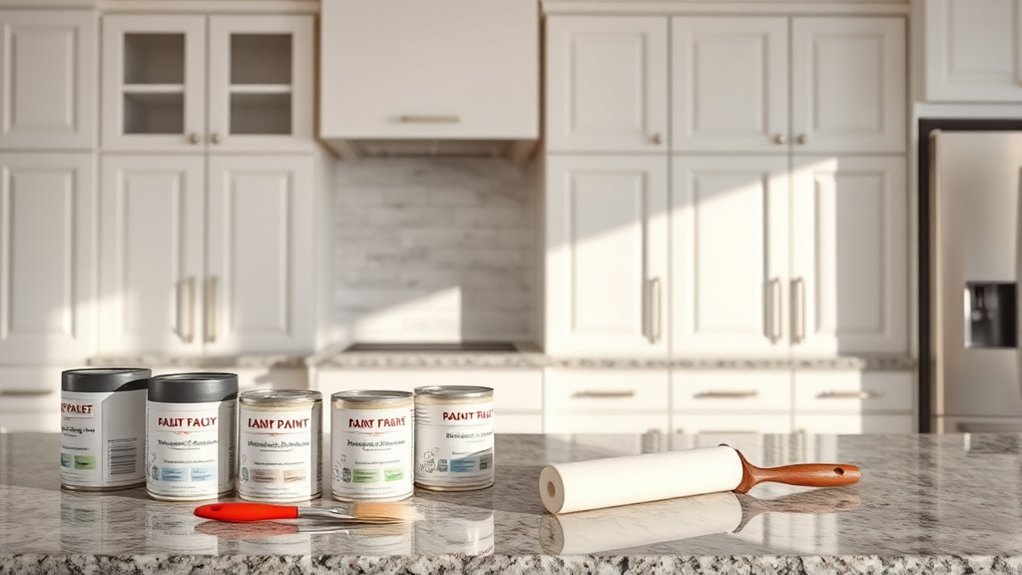
So, what’s the average cost to paint kitchen cabinets? You’ll usually spend between $1,200 and $7,000, with most projects landing near $3,000. Your final price depends on prep work, the paint quality you choose, and whether you hire a pro or do it yourself.
If you want a quick refresh, you can keep costs lower by sticking with the existing finish and using a standard color palette. If you’re chasing current cabinet trends, like warm neutrals, deep greens, or matte black, you may pay more for premium products and extra labor.
Professional painters often charge by the job, not the hour, so you should get several quotes before you commit. DIY can save money, but you’ll need supplies, time, and patience to get a smooth, durable result. In the end, the average cost reflects the look you want and the finish quality you expect.
How Cabinet Size Affects Cost

Cabinet size plays a big role in how much you’ll pay to paint them, since larger kitchens have more doors, drawers, and surface area to cover. Your cabinet dimension directly affects labor time and materials, so a small galley kitchen usually costs less than a sprawling U-shaped layout.
Painters often use volume pricing when your project includes many boxes and panels, which can lower the per-cabinet rate. Bigger units also mean more masking, sanding, and careful edge work.
| Size level | Typical count | Cost impact |
|---|---|---|
| Small | 8–12 cabinets | Lower |
| Medium | 13–20 cabinets | Moderate |
| Large | 21–30 cabinets | Higher |
| Extra-large | 31+ cabinets | Highest |
| Custom oversized | Varies | Often premium |
If you want a tighter estimate, measure each cabinet and count every door and drawer front before you request quotes.
Paint Type and Finish Costs

Once you’ve sized your cabinet job, the next cost driver is the paint itself and the finish you choose. You’ll see ideas about paint types range from budget-friendly latex to pricier alkyd or enamel blends, and each affects your total.
Higher-end products often cost more upfront, but they can level better and resist wear. Your choice of finishes and sheen also changes price: matte hides flaws, satin balances cleanup and appearance, and semi-gloss adds a sharper look with more reflectivity.
Higher-end finishes cost more upfront, but they level better, resist wear, and change the look you get.
Consider maintenance considerations and durability before you buy, because kitchen cabinets take daily abuse from grease, heat, and frequent touching.
- Flat or matte: lower shine, easier to spot scuffs
- Satin: versatile, popular, moderate cleaning
- Semi-gloss: brighter, tougher, more washable
- Specialty cabinet coatings: stronger performance, higher cost
If you want lasting results, don’t chase the cheapest can. Match the finish to your kitchen traffic, cleaning habits, and the look you want, then budget accordingly for the material upgrade.
DIY vs. Pro Cabinet Painting Costs
Should you paint your cabinets yourself or hire a pro? Your choice changes your total cost fast. With DIY budgeting, you pay mostly for tools, primer, paint, and your time, so your cash outlay stays lower. A pro charges more, but you get a finished look without managing the process. Use this quick guide:
| Option | Typical Cost | Best For |
|---|---|---|
| DIY | Lower upfront | Tight budgets |
| Pro | Higher upfront | Busy homeowners |
| Mixed approach | Midrange | Value and convenience |
When you weigh the Pros vs. cons, think about skill level, schedule, and the finish you want. DIY can save money if you already own supplies and feel confident. Hiring a painter can cost more, but it can also reduce stress and deliver a smoother, more consistent result. If you want predictable spending, compare your time against the quote before you decide.
Prep, Repairs, and Hidden Costs
– Before you start painting, factor in prep, repairs, and other hidden costs that can push your budget higher. You’ll spend time and money on pre painting prep, and that work often decides how polished the finish looks.
Cleaning grease, sanding, filling dents, and masking surrounding surfaces all add to the total. If your cabinets have warped doors, loose hinges, or chipped veneer, you may need repairs before the paint goes on. Those fixes can quickly raise costs.
- Degreasing and deep cleaning
- Sanding, patching, and caulking
- Hardware removal and replacement
- Post paint touch ups and extra coats
You should also budget for primer, painter’s tape, drop cloths, and specialty cabinet paint. If you hire a pro, labor for detailed prep may surprise you.
Even DIY projects can run over budget when you uncover more damage than expected. Planning for these extras helps you avoid sticker shock and keeps your cabinet project on track.
Frequently Asked Questions
How Long Does Cabinet Painting Usually Take?
Cabinet painting usually takes you 3 to 7 days, depending on cabinet size, condition, and drying time. You’ll spend the first day on cabinet prep, including cleaning, sanding, and repairing any damage.
Then you’ll apply primer and paint over the next few days, letting each coat dry fully. If you want better finish durability, you shouldn’t rush the process, since proper curing helps the paint last longer and look smoother.
Can Painted Cabinets Be Cleaned With Standard Household Products?
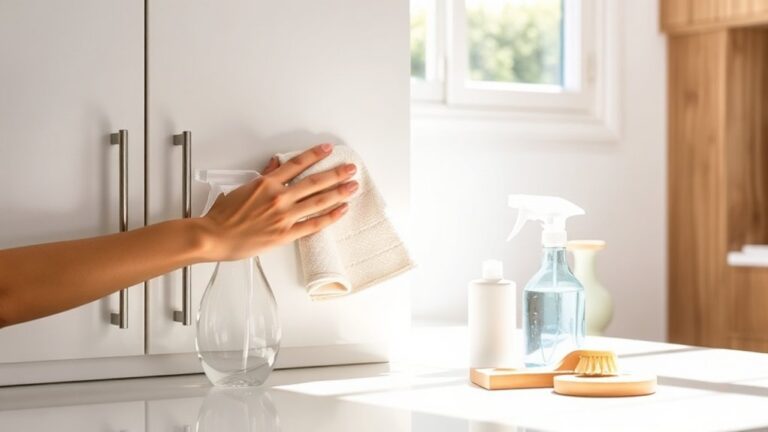
Yes, you can clean painted cabinets with standard household products, but you should choose mild ones. You’ll want to avoid harsh cleaning with chemicals, abrasive pads, and strong degreasers, since they can dull the finish and shorten cabinet longevity.
Use warm water, a little dish soap, and a soft cloth instead. Wipe spills quickly, dry the surface, and you’ll keep your cabinets looking good without damaging the paint.
What Paint Colors Are Trending for Kitchen Cabinets?
You’ll see warm whites, soft greiges, muted greens, and deep navy leading moving trends for kitchen cabinets. You can also try earthy taupe, charcoal, or creamy beige if you want a timeless look.
Color psychology matters too: lighter shades feel open and calm, while richer hues add depth and sophistication. If you want a fresh update, pick a color that fits your lighting, style, and how you want your kitchen to feel.
Will Cabinet Painting Affect My Home’s Resale Value?
Yes, if you paint cabinets well, you can boost your home’s resale value. Clean, modern finishes create positive cabinet resale impact, especially when you choose neutral colors and durable products.
Poor prep or trendy shades can hurt repaint value effects, though. You’ll get the best return when you match your kitchen to local buyer tastes, keep the work professional, and make the space feel fresh, bright, and move-in ready.
Do Cabinet Warranties Change After Repainting?
Usually, you’ll find that cabinet warranties change after repainting. Check your original paperwork first, because many manufacturers void coverage once you sand, strip, or coat the finish.
After repainting, you should expect coverage to shift toward painter guarantees, not factory protection. Ask the maker, then the painter, what’s covered, what’s excluded, and how long repairs last.
Clear clauses, careful communication, and documented work help you protect your investment.
Conclusion
Painting your kitchen cabinets can give your space a fresh new look without the cost of a full remodel. Your final price depends on cabinet size, paint choice, labor, and any prep or repair work.
If you go DIY, you can save money, but hiring a pro often delivers smoother results. Either way, planning ahead helps you avoid surprise costs. Think of it like tuning up a car: you’ll keep things running and looking sharp.
Knowing how much to paint kitchen cabinets can help you plan your budget and avoid surprises.