5 Ways to Estimate How Much to Repaint Kitchen Cabinets
Figuring out how much to repaint kitchen cabinets can be tricky, especially when costs vary based on the condition of your cabinets and the finish you want. You’re not alone—many homeowners struggle…
Figuring out how much to repaint kitchen cabinets can be tricky, especially when costs vary based on the condition of your cabinets and the finish you want. You’re not alone—many homeowners struggle to estimate the total before getting started. These five methods can help you plan your budget and compare your options.
You can estimate cabinet repainting costs five ways: by door count, by square footage, by labor hours, by prep and repair needs, and by finish quality. Count every door and drawer front, then check whether both sides are included. Measure total cabinet surface area for a better material estimate.
DIY can save money upfront, but pros usually give smoother results. Don’t forget sanding, priming, masking, and repairs, because those extras can change your total fast.
Key Takeaways
- Start with door count, including drawer fronts, to estimate labor, prep, and paint needs.
- Measure cabinet square footage for a more accurate estimate of materials and finish coverage.
- Budget more for damaged cabinets needing sanding, repairs, priming, and extra surface preparation.
- Compare DIY and pro pricing by balancing material savings against labor, speed, and finish quality.
- Choose finish type and paint quality carefully, since sprayed, durable products usually cost more.
How Much Does It Cost to Repaint Kitchen Cabinets?
So, how much does it cost to repaint kitchen cabinets? You’ll usually pay less than a full replacement, but the total still varies with cabinet condition, paint quality, labor rates, and whether you hire help or do it yourself.
Repainting kitchen cabinets usually costs less than replacement, but price depends on condition, paint quality, and labor.
For many kitchens, you can expect a range from a few hundred dollars to several thousand. When you compare estimates, focus on pricing strategies that break out prep, primer, paint, and finishing work so you can see where your money goes.
If you’re planning a budget, think in terms of two phrase discussion ideas like material choice, labor hours, surface repair, and finish type. Those points help you ask sharper questions and spot inflated quotes.
You can also lower costs by keeping your cabinet layout simple and choosing durable products that need fewer coats. The goal is to balance appearance, longevity, and cost without overpaying for unnecessary extras.
Estimate Cabinet Painting Costs by Door Count
One of the easiest ways to estimate cabinet painting costs is to count the doors first, since more doors usually mean more labor, more prep, and more paint. Your door count gives you a fast starting point for cabinet pricing, especially when you compare kitchens with similar finishes and hardware. A small kitchen with 10 to 15 doors will usually cost less than a larger layout with 25 or more.
You can also use the count to spot hidden work: each door needs removal, labeling, sanding, priming, painting, and reinstallation. If your cabinets have drawers, include those fronts in the total, since they take similar effort. Then, ask painters whether their quote includes both sides of each door, as that changes the total.
Once you know the number of doors, you can judge whether the estimate feels fair and compare bids more confidently.
Estimate Cabinet Painting Costs by Square Foot

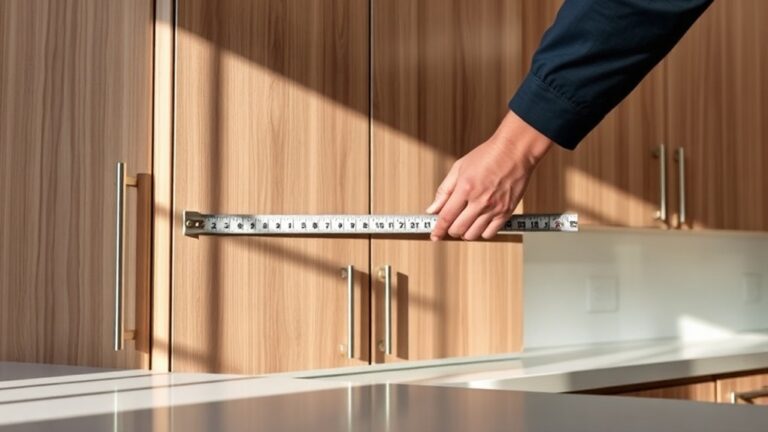
Another practical way to estimate cabinet painting costs is by measuring the total square footage of the cabinet surfaces. You’ll get a more accurate budget when you add up doors, drawer fronts, end panels, toe kicks, and exposed sides.
Measure cabinet surfaces in square footage for a more accurate painting budget, including doors, drawers, and exposed sides.
Measure each piece, then multiply length by width to find total area in square feet. Once you know that number, you can estimate material costs more confidently because larger kitchens need more primer, paint, and prep supplies.
Square footage also helps you compare paint types and finish options. A smooth, durable finish may require extra coats or specialty products, which raises your total.
If your cabinets have detailed molding or texture, you may need more paint than a flat layout would use. Use the final square footage to request quotes or calculate your own supply list, and you’ll avoid underestimating your repainting budget.
Compare DIY and Pro Cabinet Costs
Once you know your cabinet square footage, you can compare what it would cost to paint them yourself versus hiring a pro. DIY usually looks cheaper upfront because you pay for paint, primer, sandpaper, tape, and tools instead of labor.
Still, your time has value, and mistakes can raise the final bill. Pros charge more because they bring skill, speed, and a smoother finish, so DIY vs pro price expectations should reflect both cash outlay and effort.
You may spend less on labor by doing it yourself, but you also take on the learning curve and cleanup. When you price each option, weigh material quality differences too.
A pro may use higher-grade coatings and equipment that improve durability and appearance. If you want the lowest initial cost, DIY can work.
If you want consistent results and less hassle, hiring a pro may make more sense overall.
Add Prep, Repairs, and Finish Costs
Prep work, repairs, and the final coat can change your cabinet repainting budget fast. Count sanding, cleaning, deglossing, masking, and dust control as part of prep work, since each step takes time and supplies.
If your cabinets have dents, loose hinges, chipped veneer, or cracked joints, add repairs to your estimate right away. Small fixes may only need filler and glue, but larger issues can mean extra labor or replacement parts.
Next, factor in primer and finish. A stain-blocking primer, quality paint, and a durable topcoat can raise costs, but they also help your finish last longer and look smoother.
If you want a sprayed finish instead of brushed coats, expect higher labor or equipment charges. Build a separate line for these items so you don’t undercount.
When you total prep, repairs, and finish products, you get a more realistic repainting budget.
Frequently Asked Questions
How Long Does Cabinet Paint Usually Last?
Cabinet paint usually lasts 5 to 10 years, depending on use, prep, and finish durability. You’ll extend cabinet lifespan by cleaning gently, avoiding moisture, and touching up chips early. A quality paint job can also boost resale impact when the finish still looks smooth and fresh. If you cook often or open drawers hard, you may need repainting sooner, but careful maintenance helps you get more years from the finish.
What Paint Finish Works Best for Kitchen Cabinets?
You’ll usually get the best results with a satin or semi-gloss finish for kitchen cabinets. These finish options give you a smooth look, resist moisture, and clean easily.
If you want extra shine, semi-gloss works well, but satin hides imperfections better. Consider durability too, since cabinets take daily wear.
Choose a high-quality enamel or cabinet-specific paint, and you’ll improve both appearance and long-term performance in your kitchen.
Can Cabinet Hardware Stay on During Repainting?
Yes, you can keep cabinet hardware on during repainting, but you’ll slow yourself down and risk messy edges. If you leave pulls or knobs in place, tape them carefully and work around them.
For the cleanest result, remove cabinet hardware before you start; it speeds prep, improves coverage, and helps your repainting timing. Reinstall everything after the paint dries fully, so you don’t chip the finish or trap fingerprints.
Do I Need to Prime Cabinets Before Painting?
Yes, you usually need to prime cabinets before painting. You’ll get better adhesion, smoother coverage, and stronger paint longevity, especially on glossy, stained, or previously finished surfaces.
Use a bonding primer as part of your prime prep, then sand lightly and clean well before you paint. If you skip primer, the finish can chip, peel, or look uneven much sooner. Choose the right primer for your cabinet material.
Will Repainting Change My Kitchen’s Resale Value?
Yes, repainting can boost your kitchen’s resale value if you choose neutral colors and a smooth, durable finish. You’ll often see a strong repainting impact when cabinets look clean, modern, and well cared for.
Buyers notice fresh paint, and it can make your space feel updated without a full remodel. But if you pick bold colors or DIY poorly, you could hurt resale value instead of helping it.
Conclusion
When you estimate repainting your kitchen cabinets, you’re really mapping out a fresh start. Whether you count doors, measure square footage, or compare DIY to hiring a pro, each number helps you see the full picture.
Don’t forget prep, repairs, and finish work. They’re the hidden roots beneath the bloom. With a little planning, you can estimate how much to repaint kitchen cabinets and turn worn ones into a polished focal point without letting costs run wild.