7 Tips to Choose Kitchen Cabinets
Choosing kitchen cabinets can feel overwhelming when you’re trying to balance style, storage, and budget. You’re not alone—many people struggle to find options that fit their kitchen and daily needs. These 7…

Choosing kitchen cabinets can feel overwhelming when you’re trying to balance style, storage, and budget. You’re not alone—many people struggle to find options that fit their kitchen and daily needs. These 7 tips to choose kitchen cabinets can help you make a confident choice.
Choose cabinets that fit your kitchen layout so doors, drawers, and walkways stay clear. Set a realistic budget and leave room for hardware, delivery, and installation. Decide whether stock, semi-custom, or custom works best for your timeline and needs.
Pick durable materials and a style that suits your space. Add storage like pull-outs, dividers, and corner solutions. Finish with colors and surfaces you can clean easily, and you’ll see more ways to make them work well.
Key Takeaways
- Measure your kitchen layout carefully and choose cabinet sizes that protect walkways, work zones, and door clearances.
- Pick storage features like pull-out shelves, corner solutions, tray dividers, and spice organizers to match daily cooking habits.
- Set a clear budget first, including delivery, installation, hardware, and possible finish upgrades.
- Prioritize durable materials and practical features like soft-close hinges and moisture-resistant boxes for long-term use.
- Choose a cabinet style and finish that fits your space, maintenance preferences, and lighting, such as lighter colors for small kitchens.
Choose Kitchen Cabinets That Fit Your Layout
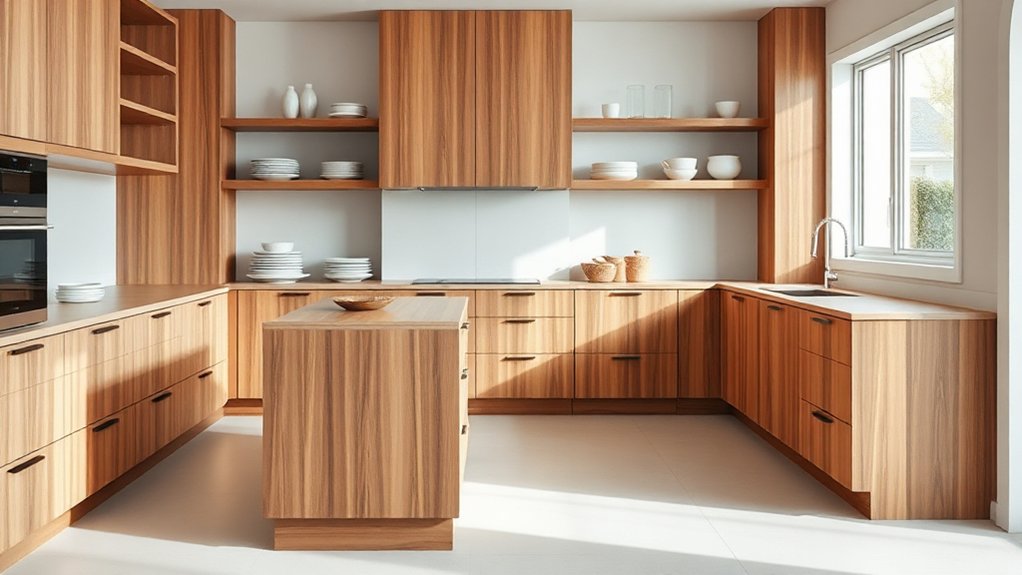
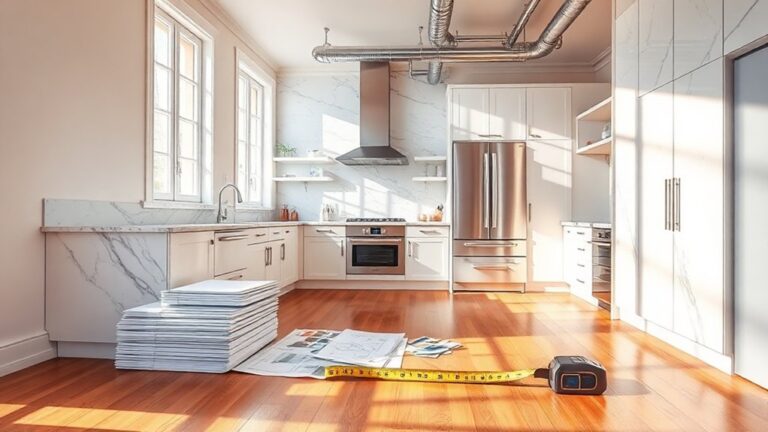
Before you pick kitchen cabinets, look closely at your layout so the design works with your space, not against it. Measure walls, corners, windows, and appliances, then map every walkway and work zone.
Measure walls, windows, and walkways first so your kitchen cabinets fit the space and support daily use.
You want cabinet depths and heights that support cooking, cleaning, and storage without blocking movement. In a galley kitchen, slim runs and wall cabinets can keep traffic flowing.
In an L-shaped space, corner solutions help you use tight areas efficiently. If you have an island, make sure drawers and doors can open fully without bumping stools or appliances.
Good layout planning also helps you place tall units where they won’t crowd natural light or interrupt sightlines. As you compare styles, check door swing, drawer clearance, and door hardware selection so handles won’t snag or hit nearby surfaces.
When your cabinets match your layout, you’ll create a kitchen that feels easier to use every day.
Set a Budget for Kitchen Cabinets

Set a clear budget before you start shopping so you know what you can afford. Then, prioritize the features that matter most to you, such as durable materials or better storage. Be sure to set aside some money for extras like hardware, delivery, and installation.
Budget Range Basics
A clear budget gives you a strong starting point when choosing kitchen cabinets. Decide how much you can spend before you shop, then compare that amount with the cabinet styles you like.
Remember that stock, semi-custom, and custom cabinets usually sit in different price bands, so your target range should match your plans. Leave room for budget flexibility in case delivery, finish upgrades, or installation costs shift the total.
If you need help covering the expense, look into financing options and compare terms carefully. A practical range keeps you focused, prevents overspending, and helps you narrow choices faster.
When you know your limit, you can shop with confidence and make smarter decisions that fit both your kitchen goals and your wallet.
Prioritize Key Features
Which cabinet features matter most to you? Start by ranking what you need, so your budget goes where it counts. If you cook daily, durable finishes and smart cabinet organization may beat decorative details. If you want a budget friendly remodel, focus on the essentials first and compare prices for each feature.
| Feature | Why it matters |
|---|---|
| Soft-close hinges | Reduce wear and noise |
| Pull-out shelves | Improve access and cabinet organization |
| Moisture-resistant boxes | Help cabinets last longer |
Use this list to decide where you’ll spend more and where you can save. That way, you keep control of your cabinet budget without paying for features you won’t use.
Plan For Extras
Even with a clear cabinet budget, it helps to plan for extras so surprise costs don’t throw off your remodel. You should set aside money for hardware, molding, delivery, installation, and any needed adjustments to fit your kitchen properly.
If you’re remodeling a compact layout, look for extras for small kitchens that improve storage without adding clutter. Pull-out trays, corner solutions, and drawer dividers can stretch your space and boost daily convenience.
You can also budget for upgrades that help with optimizing pantry space, such as tall pull-outs, organizers, or custom inserts. By reserving a little cushion, you’ll avoid stress when prices shift or your design changes.
A smart buffer keeps your project on track and helps you choose cabinets with confidence.
Should You Choose Stock, Semi-Custom, or Custom Cabinets?

Stock cabinets are a good choice if you want an affordable option that’s ready sooner, though your style and size choices will be limited. If you’d like more flexibility, semi-custom cabinets offer a middle ground. And if you want to tailor every detail to your space and style, custom cabinets give you the most freedom—but they usually cost more and take longer. So, weigh those tradeoffs against your budget and needs.
Stock Cabinet Basics
Cabinet shopping often starts with one big decision: stock, semi-custom, or custom. If you want a fast, budget-friendly route, stock cabinets can fit well. You’ll find standard sizes, preset finishes, and limited styles, but those stock options usually cover most basic kitchens.
Use price comparisons to see how much you can save versus higher-end choices. Because manufacturers mass-produce them, you can often get them sooner and with less hassle.
Stock cabinets also make planning easier, since you can measure, order, and install without many custom decisions. Still, you should check dimensions carefully, because your layout must work with what’s available.
If your kitchen has simple walls and a straightforward footprint, stock cabinets can deliver a clean look without stretching your budget.
Custom Cabinet Tradeoffs
Semi-custom and custom cabinets give you more control, but that flexibility comes with tradeoffs in cost, timing, and decision-making. If you want a straightforward, budget-friendly option, stock cabinets may fit your project best.
Choose semi-custom when you need more sizes, finishes, and storage features without a fully bespoke price tag. Go custom if your kitchen has awkward dimensions, unique style goals, or premium performance needs.
Compare custom vs. handmade details carefully, since craftsmanship and joinery can vary. Also weigh local vs. imported sources, because lead times, materials, and service can differ.
Ask how changes affect the schedule, then decide whether the extra personalization justifies the added expense and planning.
Pick a Durable Cabinet Material
When choosing kitchen cabinets, start with materials that can stand up to daily wear, moisture, and heat. You’ll want options that keep their shape and finish after years of cooking, cleaning, and opening doors nonstop.
Solid hardwood offers strength, but it can cost more and react to humidity. If you want a more budget-friendly choice, look for water resistant plywood, which resists warping and holds fasteners well.
A durable veneer over a stable core can also give you a polished look without sacrificing performance. Avoid cheap particleboard in high-use areas, since it can swell if water gets in.
Check cabinet boxes, shelves, and drawer fronts, not just the visible surface. Ask how the material is sealed, because quality edges and joints help prevent damage.
When you choose wisely, you’ll get cabinets that last longer and need fewer repairs over time.
Choose a Cabinet Style That Fits Your Kitchen
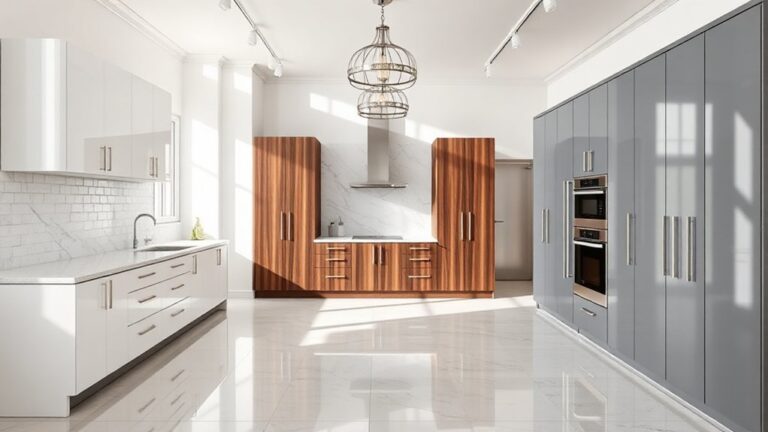
Once you’ve narrowed down durable materials, look at the cabinet style that best suits your kitchen’s layout and overall look. Match door profiles, lines, and finishes to your room’s mood.
A clean shaker door works well in many spaces, while slab fronts feel modern and calm. Raised-panel doors add traditional detail.
Use a quick style comparison to see what feels balanced in your room. Notice how the material feel changes with sheen, grain, and edge shape.
| Style | Best For | Effect |
|---|---|---|
| Shaker | Most kitchens | Simple, versatile |
| Slab | Modern spaces | Sleek, minimal |
| Raised panel | Classic rooms | Formal, detailed |
| Glass front | Display areas | Open, airy |
| Beadboard | Cottage looks | Cozy, textured |
Choose a style that supports your kitchen’s proportions, then pair it with finishes that keep the room cohesive.
Add Storage Features That Solve Your Needs
Next, think about how your cabinets need to work day to day. If you cook often, choose deep drawers for pots, pans, and baking sheets so you can reach everything fast. Add pull-out shelves to stop items from getting lost in the back. Use vertical dividers for trays, cutting boards, and lids, and include a spice organizer near your prep zone. If you store small appliances, ask for appliance garages or lift-up shelves that keep counters clear without wasting space.
You should also look for features that support storage optimization in tight kitchens, like corner pullouts, roll-out trays, and tray dividers. Check for modular compatibility if you may expand later, since flexible inserts and adjustable components let you adapt your layout as your needs change. When you match storage features to your habits, you’ll make cooking easier and keep clutter under control every day.
Choose Cabinet Colors and Finishes That Last
Color has a big impact on how your kitchen feels, but the finish matters just as much because it affects how the cabinets hold up over time. You should choose shades and coatings that fit your routine, lighting, and cleaning habits.
Lighter colors can brighten a small space, while deeper tones hide everyday marks better. Prioritize color durability so your cabinets still look fresh after years of use. Matte, satin, and semi-gloss finishes each bring a different look and level of protection.
| Finish | Best for |
|---|---|
| Matte | Soft, modern style |
| Satin | Balanced sheen |
| Semi-gloss | Easy wipe-downs |
| Painted | Custom color choices |
| Stained | Natural wood grain |
Think about finish maintenance before you decide. If you cook often, pick a surface you can clean with mild soap and a soft cloth. When you match appearance with durability, you’ll get cabinets that age gracefully and stay attractive longer.
Frequently Asked Questions
How Long Does Cabinet Installation Usually Take?
Cabinet installation usually takes one to three days for a standard kitchen, but your installation timeline can stretch to a week if you’ve got custom layouts, repairs, or tricky cabinet materials. You’ll move faster when the walls are level and measurements are exact.
If you’re replacing old cabinets, removal and cleanup add time too. Ask your installer for a clear schedule so you know what to expect and can plan around delays.
Do Cabinet Warranties Cover Water Damage?
Cabinet warranties often don’t cover water damage, so you’ll need to read the fine print. You may get protection for defects in materials or workmanship, but spills, leaks, or flooding usually fall outside coverage.
If your cabinets get wet, you should act fast, dry them thoroughly, and document the issue. You can also contact the manufacturer, since some cabinet warranties include limited water damage exceptions or repair options.
What Hardware Finish Is Easiest to Maintain?
Brushed nickel is often easiest for you to maintain because it hides fingerprints and smudges well. You’ll also get solid finish durability with satin chrome or matte black, depending on use.
Your maintenance mindset matters too: wipe hardware regularly with a soft cloth and mild soap. Higher hardware durability helps, but care frequency still affects how long the finish looks clean and fresh. Avoid polished finishes if you want less upkeep.
Should Cabinets Be Installed Before Flooring?
You should usually install cabinets before flooring, because cabinet installation sets a stable base and helps you avoid extra material under fixed units. That said, your flooring timing depends on the floor type and layout.
If you’re using tile or hardwood, you might want to finish flooring first for a cleaner look and easier future changes. Always check with your installer so you don’t trap yourself into costly adjustments later.
How Can I Measure Cabinet Quality in Person?
You can measure cabinet quality in person by testing the cabinet material and cabinet construction first, then watching what happens next. Open doors, pull drawers, and feel for smooth motion.
Check if the boxes feel solid, the joints tight, and the finish even. Tap the panels; cheap cabinets sound hollow.
Look inside for clean edges, strong hardware, and sturdy shelving. If everything holds up under your hands, you’ve found quality.
Conclusion
So, after all that “simple” cabinet shopping, you get to do the heroic work of measuring, budgeting, decoding cabinet tiers, and pretending finish samples are fun. Choose what fits your kitchen, your life, and your tolerance for closing drawers with authority.
If you do it right, your kitchen cabinets will work hard for years, quietly, unlike the internet’s endless opinions. Pick wisely, and your kitchen might finally stop feeling like a very expensive game of Tetris.