10 Standard Wide Kitchen Sink Widths You Should Know
Choosing the right kitchen sink can be tricky: too small, and everyday tasks feel cramped; too wide, and it may not fit your cabinets. You’re not alone—many people struggle to balance sink…

Choosing the right kitchen sink can be tricky: too small, and everyday tasks feel cramped; too wide, and it may not fit your cabinets. You’re not alone—many people struggle to balance sink space with their kitchen layout.
This guide to 10 standard wide kitchen sink widths covers options from 24 inches for compact kitchens to 30, 33, 36, 40, 42, and 45 inches for bigger tasks. A 24-inch sink saves counter space, while 30-inch and 33-inch models suit everyday use. Go wider for more prep room, deeper bowls, or double-bowl designs.
Also check cabinet fit, faucet placement, and support so the sink works with your layout, not against it.
Key Takeaways
- Standard wide kitchen sinks usually start around 30 inches, with common everyday sizes between 33 and 36 inches.
- Compact 24-inch sinks work well in apartments, studios, and galley kitchens where counter space matters most.
- A 30-inch sink balances washing space and prep room, fitting most standard kitchen layouts.
- 33-inch and 36-inch sinks suit busy kitchens, oversized pans, and multitasking with accessories.
- Larger 38- to 45-inch sinks offer deeper bowls, double-bowl options, and extra workspace for big kitchens.
What Counts as a Standard Wide Kitchen Sink?

A wide kitchen sink is usually anything that starts around 30 inches and goes up from there, with many standard options falling between 33 and 36 inches. You’ll usually call a sink “standard wide” when it fits a common cabinet opening, gives you enough basin room for daily washing, and doesn’t require a special custom setup.
In your planning, two word discussion idea 1 helps you compare sink span, while two word discussion idea 2 helps you judge how much usable workspace you’ll keep. You should also think about rim style, bowl count, and depth, because width alone doesn’t define comfort or function.
A sink in this range often balances prep space and cleanup ease without overwhelming your countertop. If you measure carefully, you can choose a wide sink that feels practical, looks proportional, and works with your layout instead of forcing changes to the rest of your kitchen.
24-Inch Sinks for Compact Kitchens
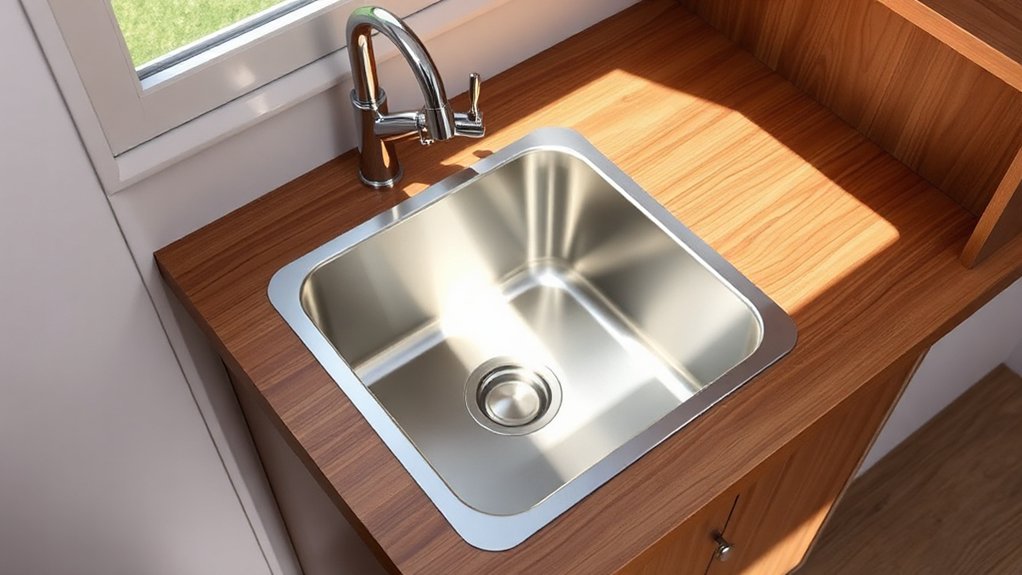
If your kitchen is tight on space, a 24-inch sink can be a smart fit. You’ll often find this inch sized option works well in compact layouts where every inch matters. Because it’s smaller, you can keep more counter area for prep, drying racks, or appliances without crowding your workflow.
A single basin design usually makes the most of the limited width, giving you enough room to wash pans, rinse produce, and handle daily cleanup without feeling cramped. If you live in an apartment, studio, or galley kitchen, this space saving choice can help you stay organized and efficient.
You won’t sacrifice function just because the sink is smaller; you’ll just need to plan your faucet placement and cabinet fit carefully. For compact kitchens, a 24-inch sink gives you a practical balance of usability, comfort, and clean design.
30-Inch Sinks for Everyday Use

A 30-inch sink is a versatile choice for everyday kitchen tasks, giving you enough room for washing dishes, prepping food, and handling larger pots without taking over the countertop. You’ll find it fits well in most standard layouts, so you don’t have to sacrifice prep space or comfort.
This size works especially well if you cook regularly but don’t need an oversized basin. You can rinse vegetables, soak pans, and keep cleanup moving without crowding your workspace.
When you compare options, focus on two word discussion ideas like basin depth and sink shape, since both affect how easily you’ll use it day to day. Pace matters too: if you wash as you cook, a 30-inch sink gives you smooth workflow without feeling bulky.
It’s a practical middle ground that supports everyday routines and keeps your kitchen efficient, neat, and easy to use.
33-Inch Sinks for Busy Kitchens
A 33-inch sink gives you extra room to handle a busy kitchen without feeling cramped. The wider basin makes it easier to wash large pots, rinse produce, or stack dishes while you prep meals. With more room to work, your kitchen routine can feel smoother, and cleanup can go faster.
Busy Kitchen Benefits
For a busy kitchen, a standard wide sink gives you the extra room you need to rinse produce, soak pans, and stack dishes without constant splashing or crowding. You’ll move faster because multiple tasks can happen at once, which helps during meal prep, cleanup, and entertaining.
In busy kitchens, that extra width also reduces bottlenecks when two people share the sink. You can keep utensils organized, limit water mess, and make sink maintenance easier because debris won’t pile up as quickly in tight corners.
A wider basin also supports larger cookware, so you won’t fight to fit stockpots or baking sheets inside. If you cook often, this added capacity can make daily routines feel smoother and less stressful, without sacrificing efficiency.
Spacious Prep Area
When you choose an inch-wide sink with a spacious prep area, you give yourself more room to wash, chop, and stage ingredients without crowding the countertop. You’ll move faster during meal prep because bigger bowls, cutting boards, and colanders fit comfortably inside. This setup also helps you rinse produce and drain pasta at the same time.
| Feature | Benefit |
|---|---|
| Deep basin | Handles heavy prep |
| Wide deck | Keeps tools nearby |
| Smart layout | Reduces clutter |
Compare material trends before you buy; stainless steel usually suits busy kitchens, while composite options add style. Use price comparisons to balance durability, noise control, and finish. With the right size, you’ll streamline cleanup and keep your kitchen workflow efficient every day.
36-Inch Sinks for Large Prep Areas
If your kitchen sees serious prep work, a 36-inch sink gives you the room to manage big batches, rinse oversized pans, and keep cleanup moving without crowding the basin. You can sort produce on one side, stack dirty tools on the other, and still have space to work comfortably.
A 36-inch sink gives you room to prep big batches, rinse oversized pans, and keep cleanup moving.
This width fits busy cooks who need flexibility during meal prep, canning, or entertaining. It also pairs well with stainless trends, since wide stainless models handle heavy use and clean easily.
If you want convenience, look for accessories such as cutting boards, colanders, and roll-up racks that match the bowl size. A 36-inch sink can also support waste disposal setups when you need fast cleanup after chopping or trimming ingredients.
Choose a layout that matches your counter space, because this size works best when you give it enough surrounding room.
38-Inch Sinks for Deeper Bowls
A 38-inch sink gives you a deeper bowl for soaking pans and rinsing bulky dishes with less splashing. You’ll also have a more spacious wash zone, making cleanup feel easier and more organized. If you often wash taller cookware, this size could be a smart fit.
Deeper Bowl Capacity
Deeper bowls change how a standard wide kitchen sink performs, giving you more usable capacity without increasing the sink’s footprint. When you choose deeper bowls, you can stack plates, soak pots, and rinse produce with less splashing.
You’ll notice that inch sinks with greater depth often fit better in wider layouts, because the extra vertical room helps you manage bulky cookware without crowding the rim. This added capacity also makes daily cleanup feel smoother, since water stays contained and dishes sit lower in the basin.
If you want a sink that handles more without taking up extra counter space, depth matters as much as width. By balancing both, you get a practical setup that works harder for you every day.
Spacious Wash Zones
When you choose inch sinks with deeper bowls, you create a roomier wash zone that gives pots, pans, and baking sheets more space to soak and scrub. You’ll notice how extra bowl depth helps water stay contained, so you can rinse without splashing counters or cabinets.
That added clearance also makes it easier to stack dishes while you work, which keeps your prep area moving efficiently.
- You get better reach for large cookware.
- You reduce splatter during heavy-duty cleaning.
- You can match installation methods to your countertop and cabinet layout.
With the right sink width and depth, you’ll build a wash zone that feels open, practical, and easier to maintain every day.
40-Inch Sinks for Double-Bowl Designs
At 40 inches wide, a double-bowl sink gives you enough room to handle food prep and cleanup without feeling cramped. In your standard discussion of sink sizes, this width often fits a busy kitchen space where you want one basin for washing and the other for rinsing or draining.
You can soak pots on one side while you still rinse produce on the other, which keeps tasks moving smoothly. This size also works well if you share the sink with someone else, since each bowl gives you a clear zone to work in.
Because the layout stays compact, you won’t crowd the counter the way you might with a much larger sink. If you’re balancing function and practicality, a 40-inch double-bowl design can feel like a smart middle ground that supports everyday cooking without overpowering your workspace.
42-Inch Farmhouse Sinks for Larger Kitchens
A 42-inch farmhouse sink gives you plenty of room, but make sure your cabinets and countertops can accommodate it. You’ll also need to plan for the apron front, which may affect your cabinet layout and workflow. If you have a large kitchen, this sink can add both function and a bold focal point.
Space Requirements
How much room do you really need for an inch farmhouse sink? You’ll want enough base-cabinet width, clear countertop run, and easy reach around the basin.
Check your installation spacing before you buy, because farmhouse models need front apron clearance and sturdy support beneath the sink. If your layout feels tight, measure door swings, plumbing routes, and nearby appliances first.
Material durability matters too, since larger sinks often hold heavy pots and take more daily wear.
- Allow extra space for mounting and support
- Leave room for faucet reach and cleaning access
- Confirm cabinet depth matches the sink footprint
When you plan carefully, you can fit a large farmhouse sink without crowding your work area or sacrificing comfort.
Design Considerations
When you choose an inch farmhouse sink for a larger kitchen, think beyond size and focus on balance, workflow, and style. A wide apron-front sink can anchor your layout, so match it with surrounding cabinets, counters, and fixtures.
You’ll want enough landing space on both sides for prep and cleanup, especially in an open plan. Consider these design implications:
| Factor | What to check |
|---|---|
| Proportion | Does the sink suit your island or perimeter run? |
| Material | Will the finish suit daily use and your palette? |
| Function | Can you rinse, soak, and prep without crowding? |
Use two word discussion ideas like sink depth, apron style, and cabinet support to guide decisions. Keep your choices cohesive, and your kitchen’ll feel intentional, efficient, and inviting.
45-Inch Sinks for Extra Workspace
Need extra room around the sink? A 45-inch sink gives you that breathing space and keeps prep work from crowding your counter. You can wash larger cookware, stack dishes more comfortably, and still have room for rinsing vegetables or setting out ingredients.
A 45-inch sink creates breathing room, making prep, washing, and multitasking feel easier and less crowded.
This size works especially well in busy kitchens where more than one person helps cook.
When you plan a wide installation, make sure your cabinet and countertop can support the span. With undercounter mounting, you’ll get a clean look and easier wipe-downs, which helps the sink feel even more open.
The extra width also lets you use accessories like cutting boards or drying racks without losing workspace.
- Handles oversized pots and baking sheets
- Creates room for multitasking at the sink
- Supports a streamlined, roomy kitchen layout
If you want a sink that feels generous without overwhelming the room, 45 inches can be a smart fit.
How to Choose the Right Sink Width
Choosing the right sink width starts with your kitchen layout, how you cook, and how much counter space you want to keep free. Measure the cabinet opening first, then check your installation guidelines so the sink fits your base cabinet and plumbing without surprises.
If you often wash large pots, bake sheets, or prep for a crowd, choose a wider sink for easier handling. If your kitchen feels tight, a narrower width can preserve valuable workspace and still meet daily needs.
Think about bowl depth too, since a wide sink that’s too shallow may splash more. Also consider maintenance tips: wider sinks can be easier to clean, but they may need more wiping around the edges.
Compare your habits, sink accessories, and faucet reach before you decide. The best width balances comfort, function, and the amount of counter space you want left for prep, cleanup, and everyday movement.
Frequently Asked Questions
Can a Wide Sink Fit in a Small Kitchen Remodel?
Yes, a wide sink can fit in your small kitchen remodel if you plan carefully. You’ll need to check wide sill constraints and cabinet fit considerations before buying.
Measure the countertop, plumbing, and surrounding clearances, then compare them with the sink’s exact dimensions. If space is tight, you can choose a shallower basin or narrower apron.
With smart layout choices, you’ll make a larger sink work without crowding your kitchen.
Do Wide Sinks Require a Different Cabinet Size?
Yes, you usually need a different cabinet size for wide sinks. If you pick a 36-inch farmhouse sink, for example, you’ll likely need a 39-inch or larger base cabinet to support it and leave room for sink dimensions, plumbing, and mounting hardware.
You can’t just force it into standard cabinets without issues. Always measure the sink dimensions first and match them to wide cabinets before you buy anything.
Are Wider Sinks Harder to Install Than Standard Ones?
Yes, wider sinks can be harder to install than standard ones because you’ll face more installing considerations and compatibility concerns. You may need extra cabinet support, precise cutout measurements, and adjustments to plumbing or countertop space.
You’ll also want to check basin depth and weight before you start. If you plan carefully and measure twice, you can still install a wider sink smoothly and avoid costly mistakes during the project.
What Materials Work Best for Extra-Wide Kitchen Sinks?
Stainless steel usually works best because you get durability, lighter weight, and easy maintenance. You can also choose fireclay for a premium look, but you’ll need solid support and careful handling. Cast iron offers strength, yet it’s heavy, so check installation compatibility first. Composite granite can resist scratches and noise well. Use materials guidance to match your cabinet size, countertop cutout, and plumbing layout before you buy an extra-wide sink.
How Do Wide Sinks Affect Countertop Space?
Wide sinks can eat into your countertop space like a hungry wave, leaving you with less room for prep, appliances, and daily clutter. You’ll need to plan for cabinet sizing carefully, because larger basins often force tighter layouts and installation challenges.
If you choose wide sinks, you can still keep things functional, but you’ll want smart placement, slimmer accessories, and a layout that lets every inch of counter work harder.
Conclusion
Choosing the right sink width can make your kitchen work better every day. You want a size that fits your space, supports your cooking habits, and keeps cleanup simple. Whether you go with a compact 24-inch sink or a roomy 45-inch option, the right choice can be a game changer.
Think about how you cook, clean, and prep, then pick the standard wide kitchen sink width that gives you the comfort and function you need.