How Deep Are Typical Kitchen Cabinets? Standard Sizes Explained
Discover how deep typical kitchen cabinets are and learn about standard cabinet depths to plan your kitchen layout effectively.
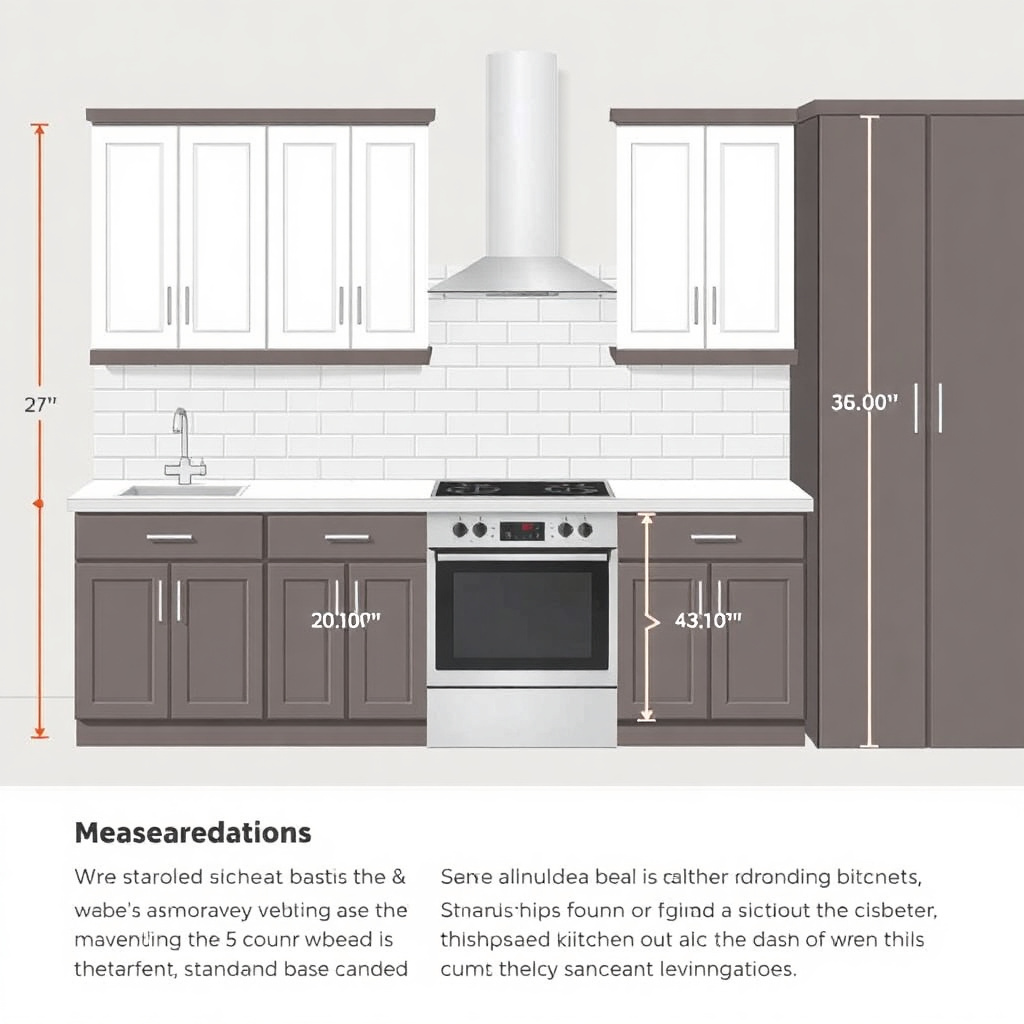
Typical kitchen cabinets generally have a depth of 24 inches for base cabinets and 12 inches for wall cabinets. These dimensions are standard in most kitchens to accommodate countertops, appliances, and storage needs efficiently.
Understanding cabinet depth matters when you're designing a kitchen or remodeling because it affects countertop space, storage capacity, and appliance fit. Standard depths provide enough room for drawers and shelves while keeping the overall kitchen functionality smooth.
This article explores different types of kitchen cabinets, their standard depths, factors influencing cabinet size choices, and tips for selecting cabinets that best fit your kitchen space and style.
Standard Depths of Kitchen Cabinets
Base Cabinet Depths
Base cabinets typically come with a depth of 24 inches (61 cm), which allows for a standard countertop overhang and adequate drawer and shelf space inside.
Some variations exist depending on kitchen design, but 24 inches remains the most common depth because it balances usability and aesthetic proportions.
Wall Cabinet Depths
Wall-mounted cabinets usually have a shallower depth of around 12 inches (30.5 cm), which prevents them from protruding too far into the kitchen workspace.
This shallower depth helps maintain an open feel and avoids interfering with countertop activities or appliance use below.
Variations in Kitchen Cabinet Depths
Deep Base Cabinets
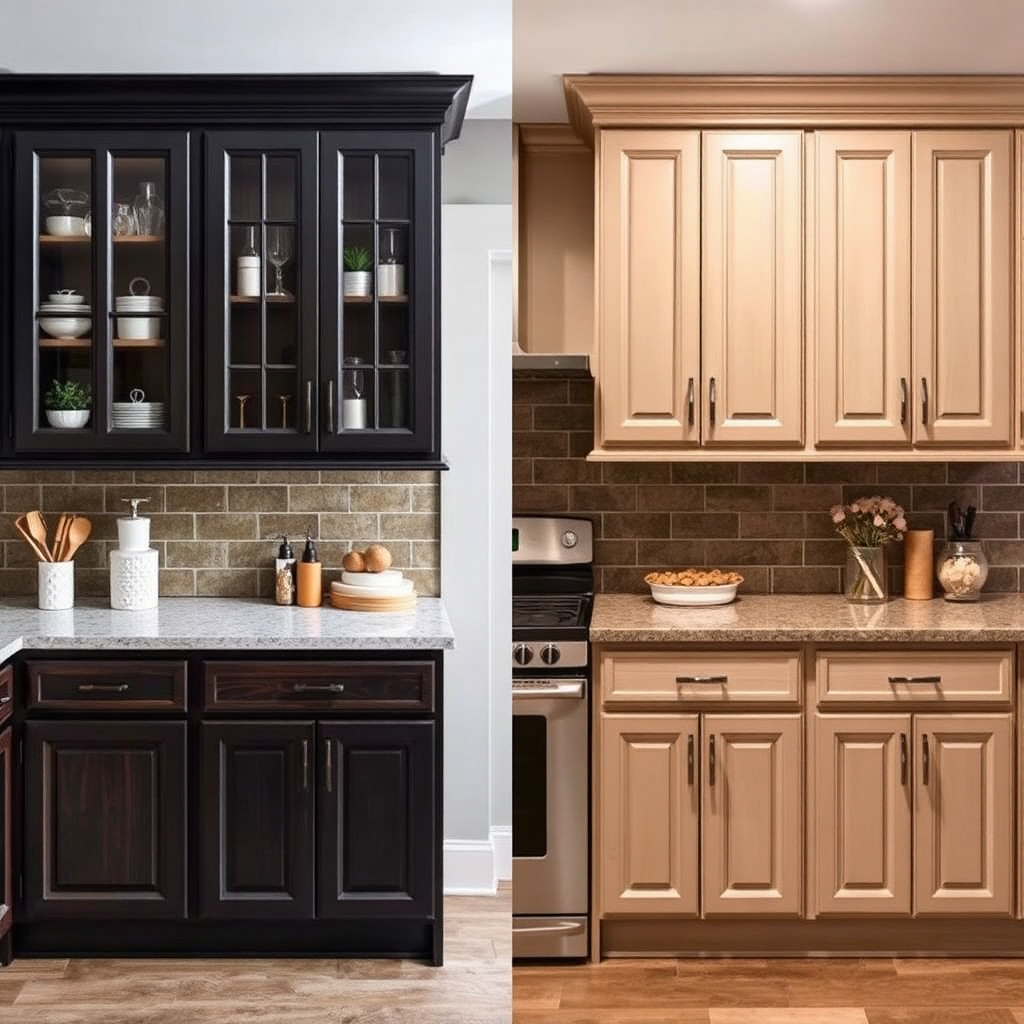
In kitchens desiring extended storage, some base cabinets can be up to 27 inches deep to offer extra space, especially in custom or luxury designs.
These deeper cabinets can impact countertop depth and may require adjustments for appliances or doors to function correctly.
- Common in island cabinetry
- Supports larger cookware storage
- May require custom countertops
Shallow Wall Cabinets
Wall cabinets can also come in shallower depths, sometimes as little as 9 inches, particularly in smaller kitchens or above appliances.
These reduce visual bulk and give more breathing room but limit storage capacity.
- Useful in compact kitchens
- Helps maintain open sight lines
- Limits cabinet interior space
How Cabinet Depth Affects Kitchen Layout
Impact on Countertop Space
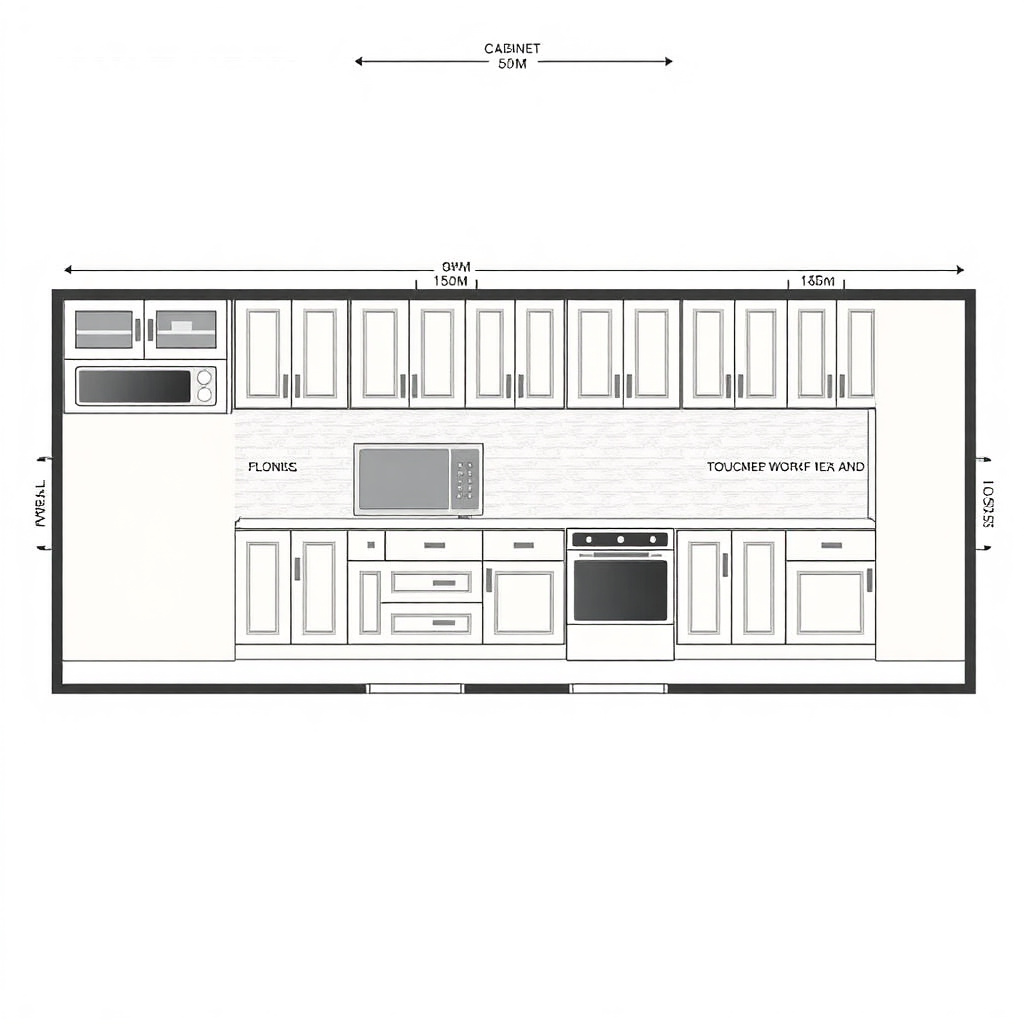
Base cabinet depth determines countertop space, influencing how much room you have for food prep and appliances.
Choosing deeper or shallower cabinets can change the overall kitchen flow and workspace ergonomics.
For more on this, see our related guide: How Tall Is a Kitchen Island Guide.
Influence on Appliance Fit
Standard base cabinet depths are designed to accommodate common appliances like dishwashers and ovens seamlessly.
Variations in cabinet depth may necessitate custom appliance sizing or adjustments during installation.
Custom Cabinet Depth Options
Reasons for Custom Depths
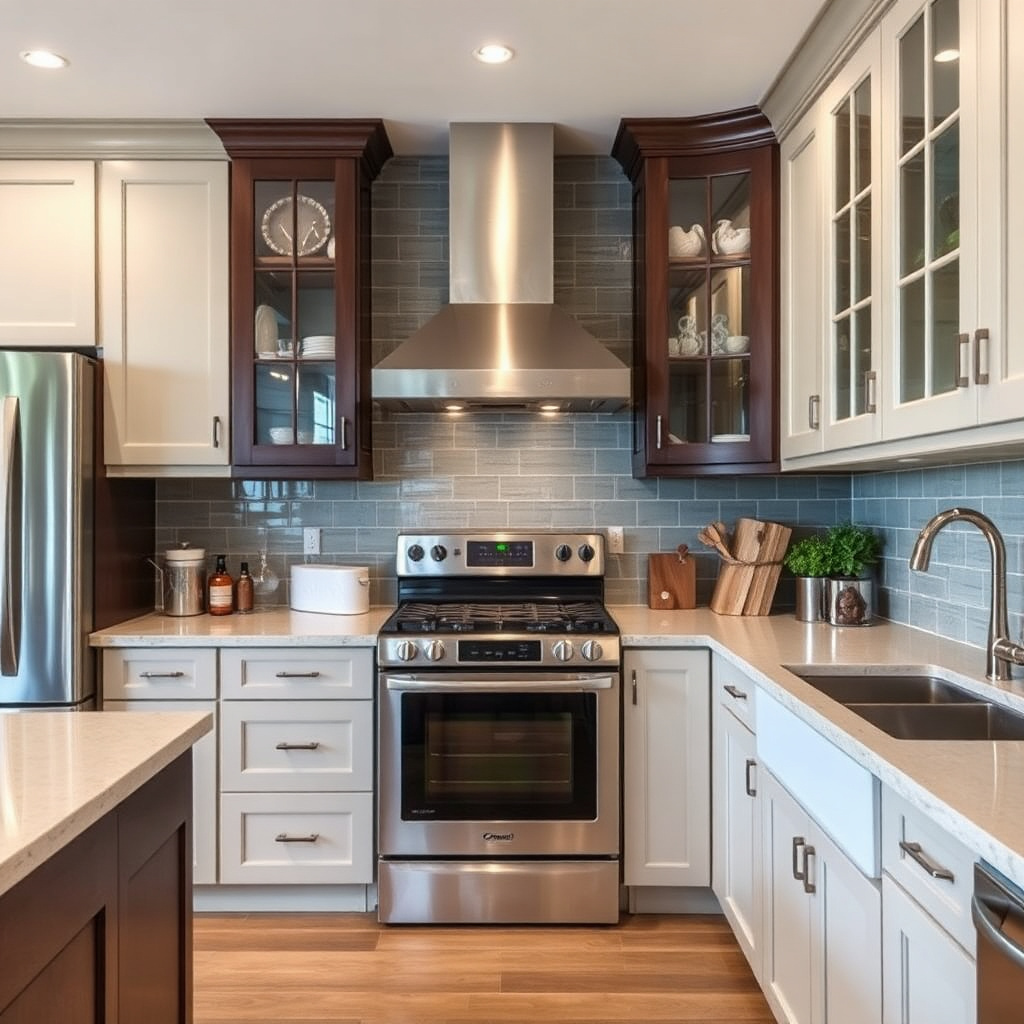
Homeowners sometimes opt for custom cabinet depths to maximize storage space or fit unusual kitchen layouts.
Custom depths allow for tailored solutions, such as extra deep pantry cabinets or slim upper cabinets.
- Accommodate unique room dimensions
- Match specific storage needs
- Create design statement pieces
Challenges with Custom Cabinets
While customizable, non-standard depths can increase costs and complicate countertop or appliance installations.
They may also affect resale value if the kitchen design feels unconventional to potential buyers.
- Higher fabrication costs
- Potential installation complexity
- May require custom hardware
Tips for Choosing the Right Kitchen Cabinet Depth
Assess Your Kitchen Size
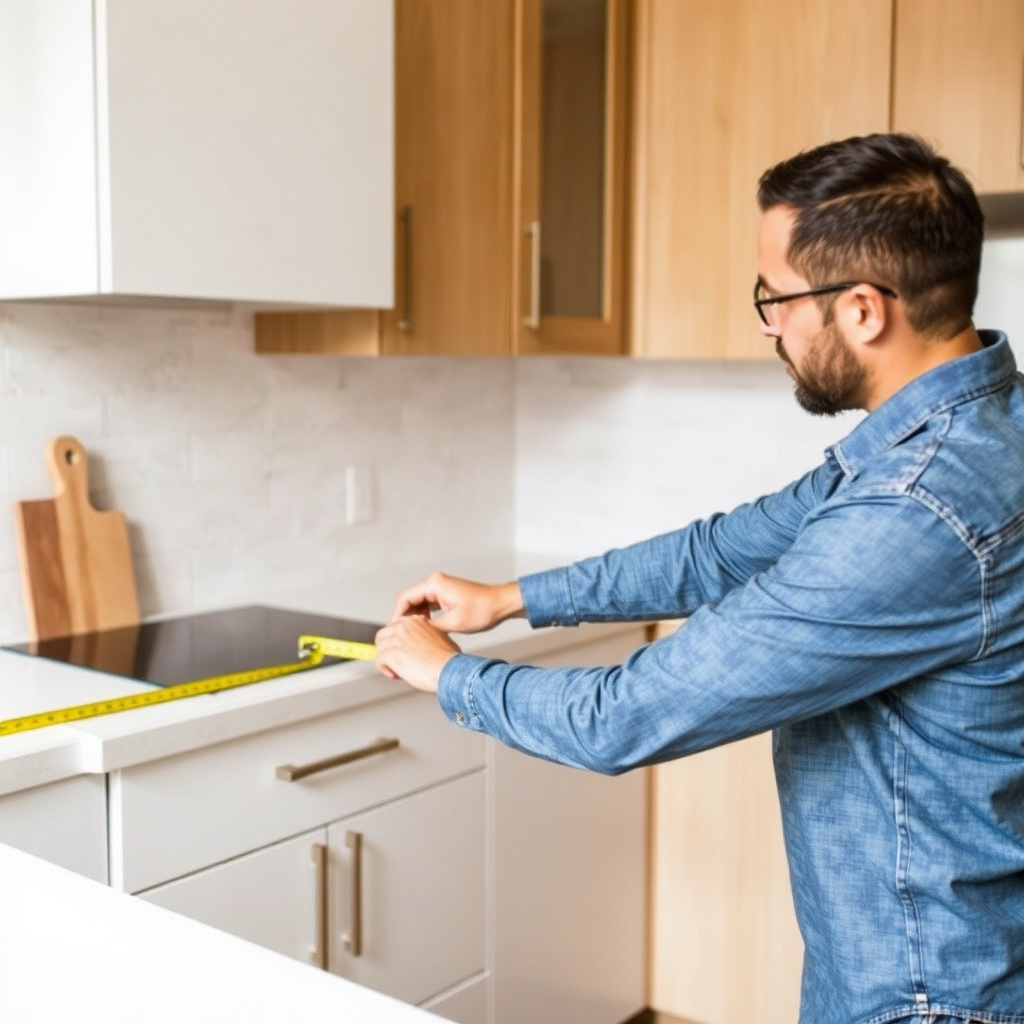
Measure your kitchen space carefully to determine what cabinet depths will fit comfortably without crowding your work areas.
Consider walkways and how far cabinets will protrude to maintain good flow.
- Measure floor area and ceiling height
- Check clearance for doors/drawers
- Ensure enough workspace
For more on this, see our related guide: How Much to Paint Kitchen Cabinets: 5 Costs to Know.
Match Cabinets to Your Lifestyle
Think about what you store most often and choose cabinet depths that accommodate those items efficiently.
If you favor countertop appliances or large cookware, deeper cabinets may be worth the trade-off.
- Make a list of typical kitchen items
- Consider accessibility preferences
- Balance storage and countertop space
Understanding Standard Kitchen Cabinet Depth Trends
Why 24-inch Depth Became Standard
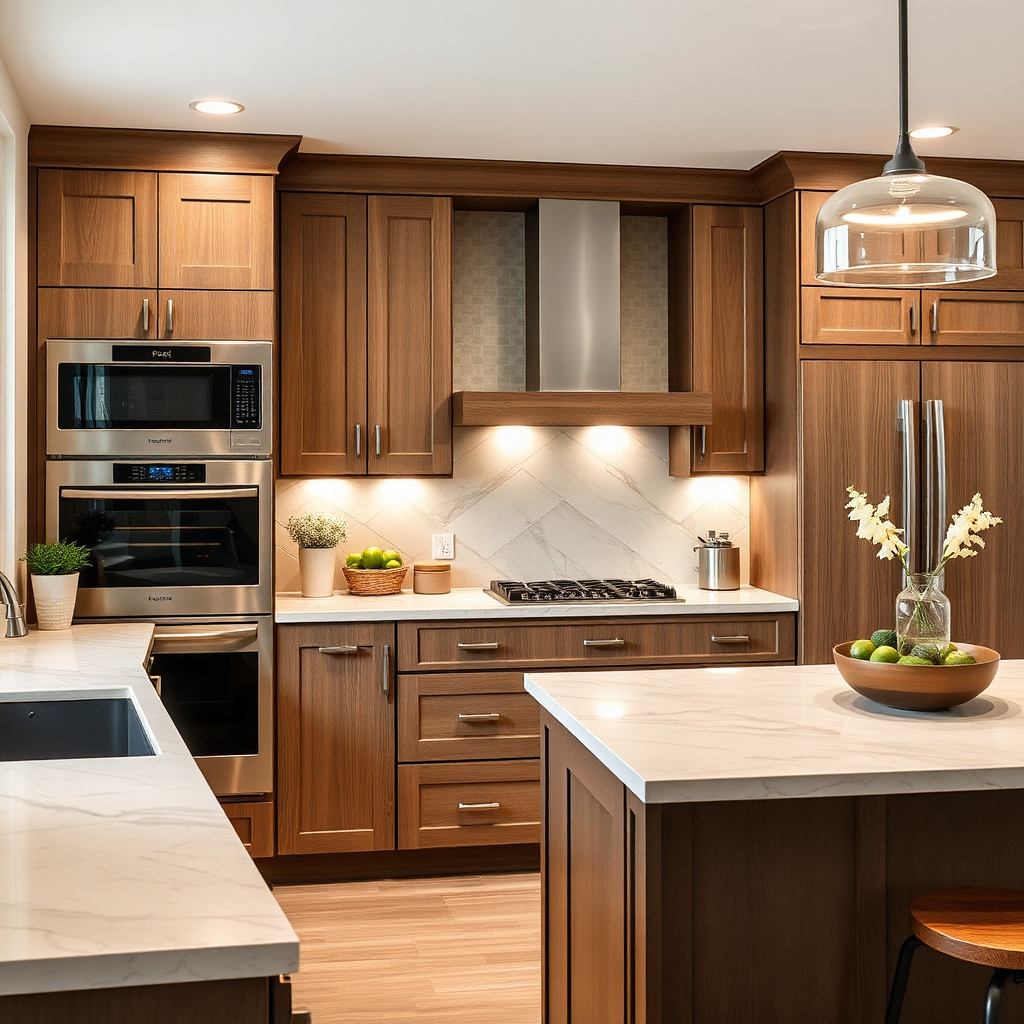
The 24-inch depth for base cabinets became standard due to countertop thickness and appliance dimensions that harmonize with this size.
It allows a comfortable reach for most users and enough space underneath for appliances like dishwashers.
For a more detailed overview of kitchen cabinet dimensions and standards, consult the Wikipedia article on kitchen cabinets. Kitchen cabinet dimensions.
Growing Popularity of Custom Depths
Many homeowners now lean towards custom depths to personalize their kitchens or add unique storage solutions.
This trend reflects more flexible kitchen designs but requires careful planning to avoid compatibility issues.
Kitchen Cabinet Depth Category Comparison
Here’s a comparison of typical kitchen cabinet depths across common categories to help you choose the best fit.
| Cabinet Type | Typical Depth | Ideal Use Case | Cost Consideration |
|---|---|---|---|
| Standard Base Cabinets | 24 inches | General kitchen storage and countertop support | Moderate |
| Deep Base Cabinets | 27 inches | Extra storage or island cabinetry | Higher |
| Standard Wall Cabinets | 12 inches | Upper storage without crowding workspace | Moderate |
| Shallow Wall Cabinets | 9 inches | Compact kitchens or above appliances | Moderate |
| Custom Depth Cabinets | Varies (9-30+ inches) | Tailored storage needs and layouts | Highest |
Frequently Asked Questions
What is the standard depth of kitchen base cabinets?
Standard kitchen base cabinets typically have a depth of 24 inches, balancing storage capacity with countertop support.
Are wall cabinets always 12 inches deep?
Most wall cabinets are 12 inches deep, but some kitchens use shallower options around 9 inches for smaller spaces.
Can kitchen cabinet depth affect appliance installation?
Yes, varying cabinet depths can require custom appliance sizes or adjustments during installation to fit properly.
Is it expensive to get custom depth kitchen cabinets?
Custom depth cabinets generally cost more due to tailored fabrication and possible requirements for custom hardware or countertops.
Do deeper cabinets reduce kitchen workspace?
Deeper base cabinets can reduce countertop workspace if not planned carefully, affecting kitchen flow.
Key Takeaways
- Typical base kitchen cabinets are 24 inches deep, while wall cabinets are about 12 inches.
- Deeper or shallower cabinets exist for specialized needs but may impact cost and layout.
- Kitchen cabinet depth influences countertop space, appliance fit, and storage capacity.
- Custom cabinet depths offer personalization but require more planning and budget.
Conclusion
Determining how deep typical kitchen cabinets should be depends on balancing storage needs, countertop workspace, and appliance compatibility. Standard cabinet depths of 24 inches for bases and 12 inches for walls have become norms because they provide enough space for most kitchens without overwhelming the room or complicating installation. When customizing kitchen cabinets, it’s necessary to consider the overall kitchen size and workflow carefully before deviating from these common standards.
For homeowners designing or remodeling kitchens, choosing standard depth cabinets usually provides the easiest integration with appliances and countertops. However, if your kitchen demands extra storage, deeper base cabinets around 27 inches can be beneficial, especially for kitchen islands. Meanwhile, shallow or reduced-depth wall cabinets can make small kitchen spaces feel less cramped. Decisions about cabinet depth should align with how you use your kitchen and what items you store most often to create a functional and enjoyable cooking environment.
Review your kitchen layout, measure available space precisely, and think about your daily kitchen habits before settling on cabinet depths. Consulting with a kitchen designer can help tailor your cabinet choices to your lifestyle and home architecture. Ultimately, selecting cabinet depths thoughtfully contributes significantly to how comfortable, practical, and attractive your kitchen will be for years to come.