3 Key Factors Affecting How Much to Replace Kitchen Cabinets
Replacing kitchen cabinets can quickly become overwhelming when you’re trying to balance your budget with the look you want. You’re not alone—many homeowners struggle to estimate the cost before comparing their options….

Replacing kitchen cabinets can quickly become overwhelming when you’re trying to balance your budget with the look you want. You’re not alone—many homeowners struggle to estimate the cost before comparing their options.
When you replace kitchen cabinets, three factors drive the cost most: kitchen size, cabinet materials, and installation labor. A larger layout needs more boxes, doors, and finishes, which raises both material and removal costs. Your material choice also matters, since hardwood costs more than plywood, MDF, or laminate. Finally, tricky layouts, wall issues, and extra features like trim or islands can push labor higher, and there’s more to compare than you might expect.
Key Takeaways
- Kitchen size directly affects cost because larger spaces need more cabinets, materials, and labor.
- Cabinet runs and total cabinet volume determine how much material and installation work is required.
- Material choice matters, with hardwood costing more than plywood, MDF, or laminate.
- Finishes, customizations, and hardware upgrades can significantly raise the total replacement price.
- Installation complexity, including uneven walls and extra features, increases labor time and overall cost.
How Kitchen Size Affects Cabinet Replacement Cost

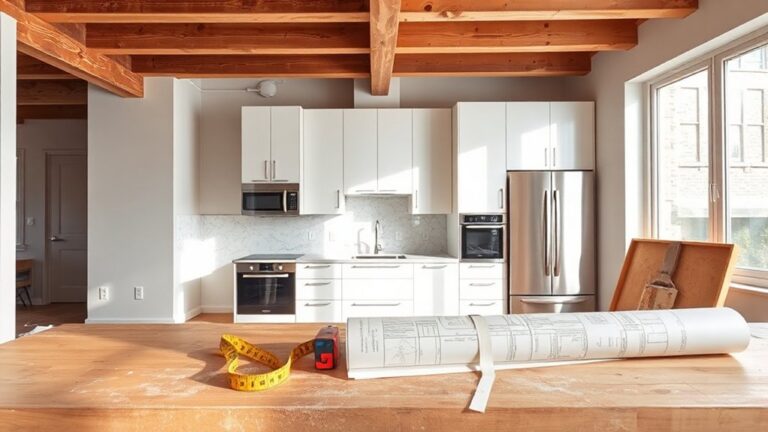
Kitchen size plays a major role in how much you’ll pay to replace cabinets because larger kitchens need more cabinets, materials, and labor. When you measure your space, you’ll see the impact in the number of base units, wall cabinets, and corner pieces you need.
A compact kitchen can keep your remodel scope tight, which helps you control costs and finish faster. If your kitchen stretches along multiple walls or includes an island, you’ll usually pay more because installers must handle extra layout work and precise fitting.
You may also face higher removal and installation costs as the footprint grows. To estimate your budget, count cabinet runs, door fronts, and storage zones before you request quotes. That way, you can compare prices based on actual cabinet volume instead of guessing.
How Cabinet Materials Change the Price

Materials can swing cabinet replacement costs a lot, since solid wood, plywood, MDF, and laminate all come with different price points, durability levels, and finishes. You’ll usually pay more for hardwoods because they look rich and last longer, while MDF and laminate can keep your budget tighter without sacrificing style.
- Solid wood often costs the most
- Plywood balances strength and value
- MDF works well for painted finishes
- Laminate offers a low-cost, easy-clean option
- Recycled materials can cut costs and support sustainability
When you choose premium finishes, custom stains, or specialty veneers, your price climbs fast. If you want a cleaner look, simple door profiles help you save.
Don’t forget that hardware upgrades can also influence the total, especially if you pick soft-close hinges or decorative pulls. By matching material choice to your goals, you can control spending and still get cabinets that fit your kitchen’s look and daily use.
How Installation Labor Adds to the Total

Even after you choose the right cabinet material, labor can make a big difference in your total cost. You pay for more than someone hanging boxes on a wall; installation labor covers removal, leveling, securing cabinets, adjusting doors, and fitting trim.
If your kitchen has uneven walls, plumbing obstacles, or a tricky layout, the installer spends more time, and your bill rises. The cabinet installation scope also matters. A simple swap with standard sizes costs less than a full redesign that needs filler pieces, crown molding, or changes to islands and pantry cabinets.
You’ll also pay more if you want soft-close hardware, specialty finishes, or precise alignment for built-ins. To avoid surprises, ask for a detailed quote that breaks down labor, materials, and any extras.
When you compare estimates, look at the work included, not just the headline price, so you can judge the real total accurately.
Frequently Asked Questions
How Long Does Cabinet Replacement Usually Take?
Cabinet replacement usually takes you one to three days for stock cabinets, but custom vs stock can stretch the timeline to several weeks. You’ll spend extra time on measuring, ordering, delivery, and installation if your layout changes or you need custom finishes. If you’re swapping only the doors or boxes, you may finish faster. Expect some disruption, and plan around plumbing, countertops, and any repairs your kitchen needs.
Can I Replace Cabinets Without Changing Countertops?
Yes, you can replace cabinets without changing countertops, though it’s a bit like fitting a new frame around an old painting. You’ll need to check cabinet height, layout, and how the countertop sits on top. If your existing counters are in good shape, keeping them can help with budget considerations. Still, you may need to replace countertops later if the new cabinets don’t match or support them properly.
Do Custom Cabinets Cost More Than Stock Cabinets?
Yes, custom cabinets usually cost more than stock cabinets. You’ll pay for tailored sizing, better materials, and design choices, while stock cabinets keep costs lower and simplify your cost comparison.
Custom cabinets can also affect your installation timeline because they’re built to order. If you’re keeping your countertops, check countertop compatibility early so your new cabinets fit properly and you don’t face extra modifications later.
What Permits Are Needed for Cabinet Replacement?
You’ll usually need a permit only if you’re changing plumbing, electrical, walls, or other structural parts. For simple cabinet swaps, you often don’t. Check your local building department first, because rules vary.
Make sure you note permit essentials like inspections and filing fees, plus timeline considerations if approvals could delay your project. If you’re unsure, ask your contractor or permit office before you start work.
Should I Repair or Replace Damaged Kitchen Cabinets?
You should repair cabinets when the damage is minor, like loose hinges, scratches, or small water spots. If the frame is solid, a smart repair strategy can save money and keep your kitchen working. Replace them when you see warping, mold, deep cracks, or failing joints. Your material choices matter too, because older cabinets may not handle repeated fixes well, and new materials can improve durability.
Conclusion
When you’re figuring out how much to replace your kitchen cabinets, keep your kitchen size, cabinet materials, and installation labor in mind. Each one can move the price up or down fast, so it pays to compare your options before you commit.
If you plan carefully, you can avoid costly surprises and stay on budget. In the end, a little homework goes a long way, and you’ll be better prepared to get the best bang for your buck when deciding how much to replace kitchen cabinets.