Are White Kitchen Cabinets Out of Style?
Wondering whether white kitchen cabinets are outdated? You’re not alone—many people want a kitchen that feels fresh but worry that white cabinets might look too plain or dated. White kitchen cabinets aren’t…
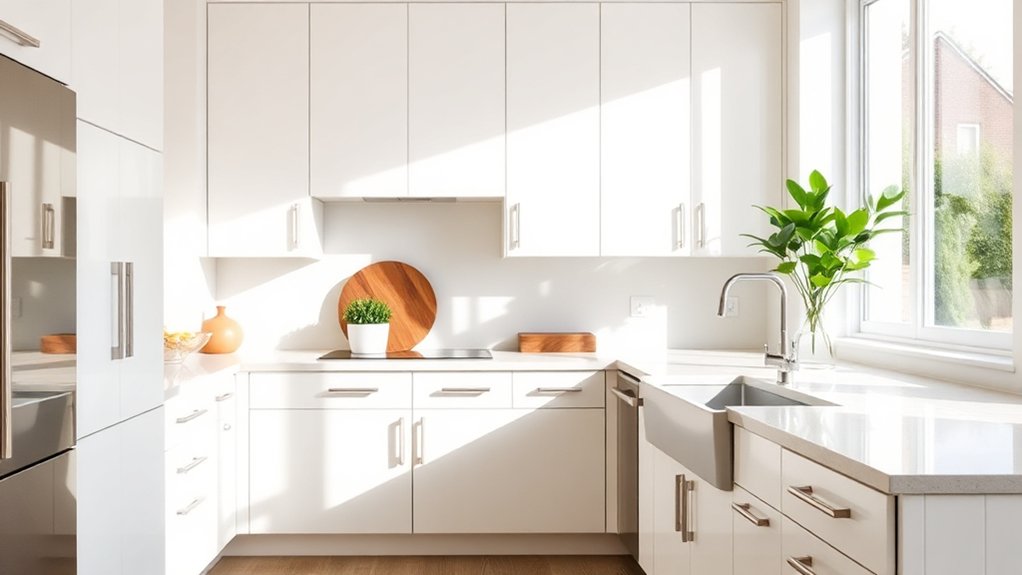
Wondering whether white kitchen cabinets are outdated? You’re not alone—many people want a kitchen that feels fresh but worry that white cabinets might look too plain or dated.
White kitchen cabinets aren’t out of style, and you can still use them as a bright, flexible backdrop in your kitchen. They work because they reflect light, open up small spaces, and pair easily with almost any countertop, backsplash, or floor.
They can feel dated when they’re too flat, glossy, or all the same tone. Add contrast, texture, and warm details, and they stay fresh. Keep going, and you’ll see how to make them feel current.
Key Takeaways
- White kitchen cabinets are not out of style; they remain a flexible, timeless backdrop for many design styles.
- They brighten kitchens, reflect light, and help small or dark spaces feel more open.
- White can feel dated when paired with flat, glossy finishes, little contrast, and overly matching surfaces.
- Adding texture, warm wood, mixed materials, and layered lighting keeps white cabinets fresh and modern.
- Two-tone cabinetry, darker islands, or updated hardware can add depth without losing the clean look.
Are White Kitchen Cabinets Out of Style?
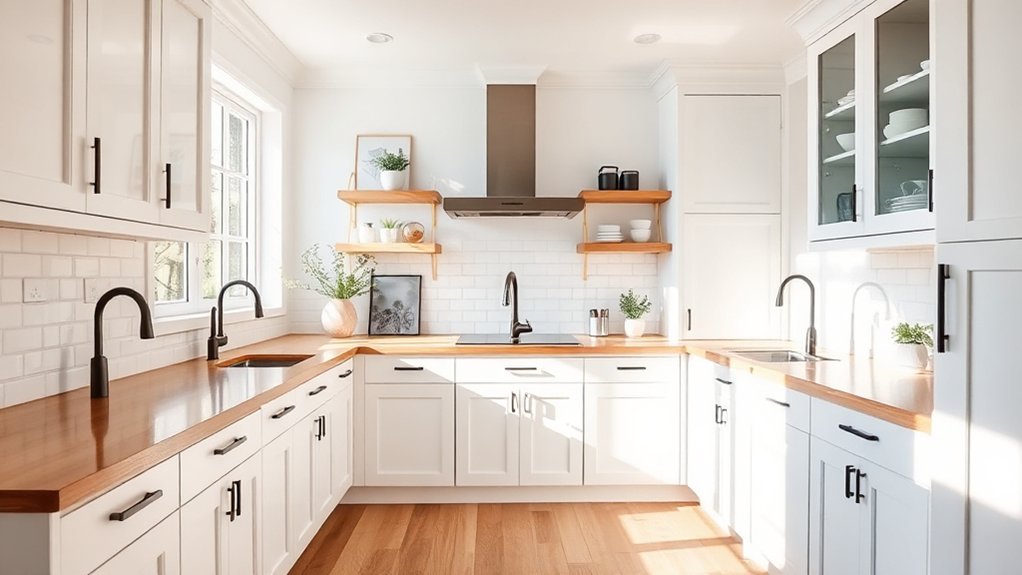
Not at all—white kitchen cabinets aren’t out of style, but their role has changed. They no longer need to carry the whole room; instead, they can act as a clean backdrop for bolder choices.
White kitchen cabinets aren’t out of style—they’re simply the clean backdrop for bolder design choices.
Pair them with wood tones, matte hardware, or colored tile to add personality without making the kitchen feel busy. Softer accents, like pink decor, can also bring a playful, modern touch that feels fresh rather than dated.
If you love trends, think of white cabinets like summer fashion: versatile, light, and easy to update with accessories. They still work because they offer flexibility and brightness, and they adapt as your taste changes.
If your space feels flat, you usually don’t need to replace the cabinets. Add contrast, texture, and a few details to make the room feel intentionally styled.
Why White Kitchen Cabinets Still Work
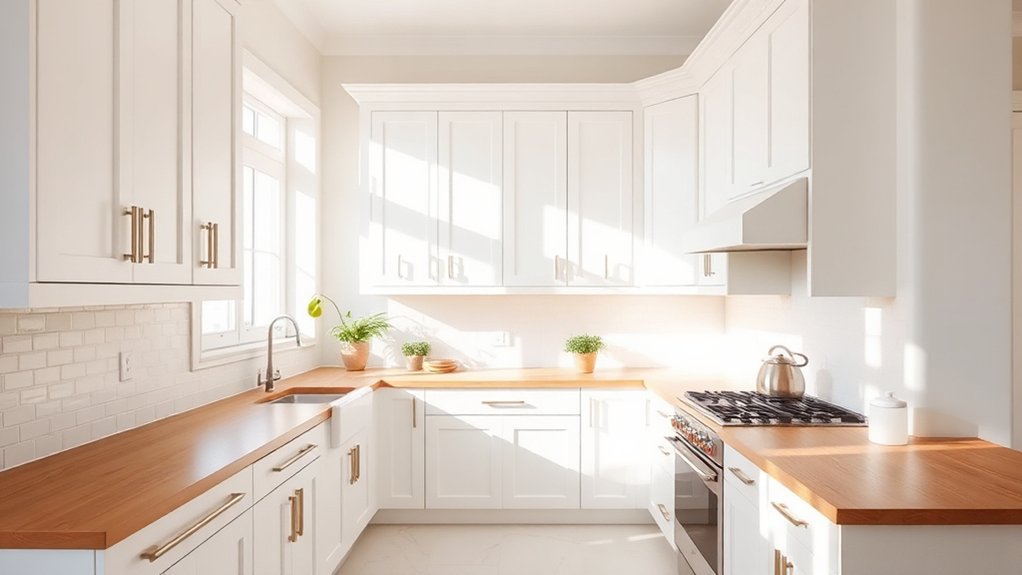
White kitchen cabinets still work because they make your space feel brighter, cleaner, and more open without fighting the rest of your design. You can pair white cabinets with almost any countertop, backsplash, or floor, so they give you flexibility as your taste changes. They also reflect natural light well, which helps a small or dark kitchen feel less cramped.
You’ll appreciate their color longevity, too. White doesn’t rely on a trendy finish or bold hue, so it tends to stay relevant across styles and decades. If you want a kitchen that feels timeless but not boring, white cabinets give you a reliable base that lets hardware, lighting, and accessories do more of the talking.
That’s why they keep showing up in everything from classic to modern kitchens. They adapt easily, support resale appeal, and let you refresh the room without replacing the whole cabinet set.
When White Cabinets Feel Dated
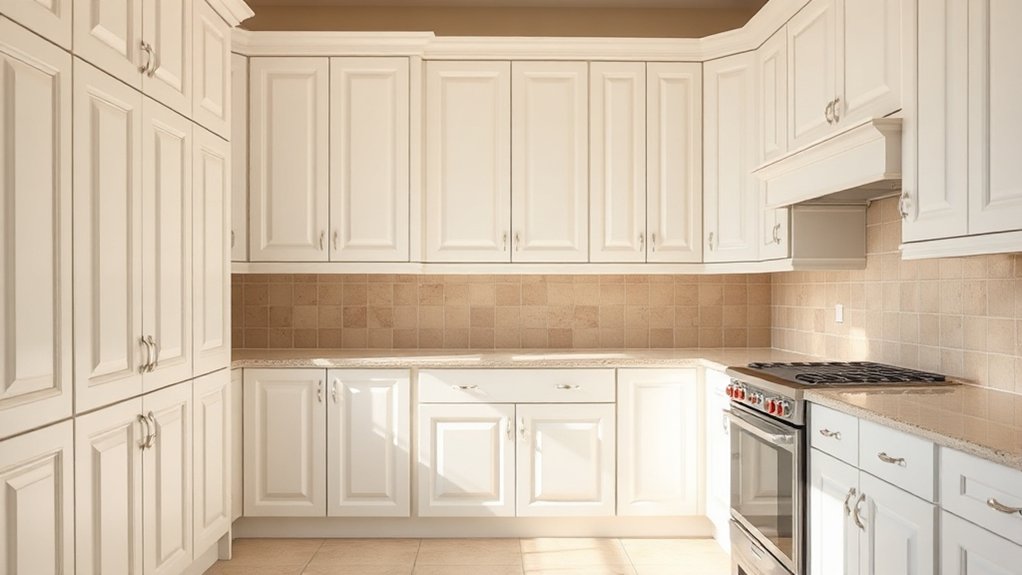
Even a classic choice can start to feel tired if the rest of the kitchen leans too heavily on the same look. You may notice white cabinets feel dated when every surface is pale, flat, and highly glossy, leaving no contrast to catch the eye.
White cabinets can feel dated when every surface is pale, glossy, and lacking contrast.
If your hardware, backsplash, counters, and walls all blend together, the room can lose depth and personality. Strong natural light can also expose yellowing, scuffs, or an uneven finish, making the cabinets seem older than they are.
You might feel this most in a space that follows trends too closely without your own touch. A kitchen like that can start to read as showroom-like instead of lived-in.
If budget constraints keep you from replacing them, you can still bring in beats of color through accessories, textiles, or art. Small changes help the room feel current without forcing a full remodel, and they let your cabinets stay relevant.
Alternatives to All-White Kitchens
If you want your kitchen to feel current without abandoning a bright palette, mix in other finishes and tones for balance. You can pair white uppers with wood lowers, soft greige islands, or muted sage cabinets to create contrast without losing brightness. These alternative colorways make the room feel layered and more personal, especially if you choose one dominant neutral and let accents do the rest.
You might also swap a full white run for two-tone cabinetry, where the island takes on a deeper shade and the perimeter stays light. That approach keeps the space open while adding depth. When you compare options, think about cost vs longevity: painted finishes can refresh easily, but richer tones may hide wear better over time.
If you want a safer change, try warm cream, dusty blue, or charcoal details on lower cabinets, pantry doors, or shelving to shift the mood without overcommitting.
How Texture Keeps White Cabinets Fresh
You can keep white cabinets feeling fresh by layering in natural materials like wood, stone, and woven accents. Then, add depth with mixed finishes, such as matte hardware or a satin faucet, without overpowering the clean look. A textured backsplash brings in contrast, too, so the white cabinetry feels crisp rather than flat.
Layered Natural Materials
Layering natural materials is one of the easiest ways to keep white kitchen cabinets from feeling flat or sterile. You can warm up the room with layered materials like wood stools, woven baskets, stone countertops, and linen window treatments.
These natural textures add depth without overwhelming the clean look you want. When you mix soft grain, rough weave, and smooth stone, your cabinets feel more inviting and balanced.
You don’t need many pieces; just a few well-chosen accents can change the whole mood. Keep the palette restrained so the white cabinetry still feels bright, but surround it with organic elements that make the space feel lived-in and current.
That contrast helps your kitchen stay timeless instead of stark.
Mixed Finish Details
Texture doesn’t stop at natural materials; mixed finishes can keep white cabinets looking fresh and intentional. You can pair matte doors with satin hardware, brushed faucets, or a soft-gloss island to add depth without overwhelming the room.
These mixed materials create subtle contrast, so your cabinets read as current rather than flat. Color psychology also helps: white feels clean and open, while varied sheens introduce warmth and visual interest.
When you choose finishes with different reflections, you guide the eye and break up monotony in a polished way. You don’t need bold color to make an impact; thoughtful texture does the work.
Keep the palette restrained, and let finish variation carry the style.
Textured Backsplash Contrast
A textured backsplash can instantly make white cabinets feel current by giving the eye something tactile to land on. You create texture contrast that keeps the kitchen from reading flat or sterile, and you don’t need bold color to do it.
Choose backsplash texture like zellige, handmade subway tile, stone, or fluted ceramic to add depth, shadow, and movement.
| Backsplash Texture | Effect |
|---|---|
| Zellige | Soft, reflective variation |
| Handmade tile | Warm irregularity |
| Stone | Natural grain |
| Fluted ceramic | Crisp vertical rhythm |
When you pair these surfaces with white fronts, you highlight the cabinetry instead of competing with it. The result feels fresh, layered, and timeless, not trendy or cold.
Mixing White Cabinets With Wood Tones
White cabinets pair beautifully with wood tones, giving your kitchen warmth, contrast, and a more lived-in feel without making the space look dated. When you’re mixing white cabinets with wood tones, you balance brightness with natural character, so the room feels fresh instead of sterile.
Use wood in open shelving, stools, flooring, or a statement island to create contrasting textures that soften all-white cabinetry.
- Choose one dominant wood finish to keep the look cohesive.
- Repeat that tone in at least two spots for visual rhythm.
- Mix light and medium woods if you want a softer, layered effect.
- Keep the palette simple so the materials, not clutter, stand out.
You don’t need perfect matching; slight variation makes the space feel curated. If your kitchen gets plenty of light, richer woods can add depth, while pale woods keep everything airy.
Best Hardware for White Kitchen Cabinets
The best hardware for white kitchen cabinets depends on the look you want, but the right pulls and knobs can instantly shift the style from classic to modern. If you want a timeless feel, choose brushed nickel, polished chrome, or satin brass.
For a sharper, contemporary edge, matte black creates strong contrast and clean lines. You can also use mixed metals if you keep the rest of your finishes balanced.
Knobs work well on upper cabinets, while longer pulls suit drawers and larger doors. Pay attention to scale so the hardware feels intentional, not cramped.
Knobs suit upper cabinets, while longer pulls work best on drawers and larger doors.
Texture contrast matters too: smooth metal against painted white doors adds depth without overwhelming the room. Think about color psychology as well; warm brass feels inviting, while black reads bold and structured.
When you match hardware to your kitchen’s overall mood, white cabinets look fresh, current, and easy to live with.
Lighting That Elevates White Kitchen Cabinets
Once you’ve chosen hardware, lighting becomes the next layer that shapes how white kitchen cabinets feel in the room. You can use lighting techniques to warm their crisp surfaces and keep them from looking flat. Color psychology matters here: warm bulbs soften the starkness, while cooler light can make the space feel cleaner and brighter.
- Install under-cabinet lights to highlight countertops and add depth.
- Choose pendant lights that cast a focused glow over key work zones.
- Use dimmers so you can shift the mood from task-ready to relaxed.
- Mix ambient and accent lighting to balance shadows and prevent glare.
When you layer light, you help white cabinets look intentional instead of plain. You also control how reflective finishes read at different times of day. With the right plan, your kitchen feels polished, inviting, and current without needing a full redesign.
Styling White Cabinets in Modern Kitchens
Pair white cabinets with warm wood accents to soften the look and add contrast. For a sharper, more modern edge, choose bold hardware, such as matte black or brushed brass pulls. Then bring in layers of stone, linen, and tile to add texture and make the space feel more lived-in.
Warm Wood Accents
Warm wood accents can instantly soften the crisp look of white kitchen cabinets and make a modern space feel more inviting. You can weave in oak, walnut, or ash to add depth without crowding the room. For strong discussion ideas, focus on subtopic relevance: wood works best when it repeats in small, intentional touches.
- Choose a butcher-block island to anchor the space.
- Add open shelving in a matching finish.
- Use wood stools to warm your seating area.
- Bring in cutting boards or bowls for subtle texture.
These details help you balance brightness with natural warmth, so your kitchen feels layered, calm, and current.
Bold Hardware Choices
If warm wood accents have softened the room, bold hardware can give white kitchen cabinets a sharper, more modern edge. You can swap in oversized pulls, matte black handles, or brushed brass knobs to create contrast without changing your cabinets.
Bold hardware works especially well when you want white surfaces to feel intentional, not plain. It draws the eye, defines clean lines, and makes your kitchen look updated fast.
Don’t let maintenance myths steer you away; quality finishes can handle daily use with simple wiping. You’ll also find that strong hardware choices help you personalize a white kitchen, so it feels current rather than generic.
Keep the shapes simple, and let the finish do the talking.
Layered Texture Details
Texture keeps white kitchen cabinets from feeling flat. You can add depth with texture layering that mixes smooth, matte, and woven finishes. When you balance material contrasts, your kitchen feels modern and lived-in, not sterile.
Try these touches:
- Pair quartz counters with a honed stone backsplash.
- Add rattan stools or a wood island for warmth.
- Choose linen Roman shades to soften hard lines.
- Use handmade tile or ribbed glass for subtle movement.
You don’t need many changes; a few thoughtful surfaces do the work. White cabinets become the calm backdrop, while layered details create interest. Focus on tactile finishes that catch light differently, and your kitchen will feel richer, fresher, and more personal.
White Kitchen Cabinet Trends to Watch
White kitchen cabinets aren’t disappearing, but the look is evolving in smarter, softer ways. You’ll see white cabinets paired with warmer undertones, brushed hardware, and natural wood accents that keep the room from feeling sterile.
Soft cream, oatmeal, and greige finishes are rising in the color trends, giving you a quieter backdrop that still feels fresh. Instead of flat, high-gloss surfaces, you can choose matte or satin paint to add depth and reduce glare.
Soft cream and greige finishes create a quieter, fresher backdrop, while matte paint adds depth and warmth.
Open shelving, fluted panels, and subtle inset detailing also make white kitchens feel more current without losing their timeless appeal. If you want a modern update, mix white uppers with a darker island or introduce stone with gentle veining.
These choices let you keep the brightness you love while giving your kitchen a more layered, lived-in look that feels intentional, not dated.
Frequently Asked Questions
Do White Kitchen Cabinets Make a Small Kitchen Look Bigger?
Yes, white cabinets can make your small kitchen look bigger because they reflect light and soften visual boundaries. You’ll create a brighter, airier feel that improves the small kitchen illusion, especially when you pair them with light walls, simple hardware, and uncluttered counters. If you want even more openness, use matching backsplash and flooring tones so your eye moves smoothly through the space.
Are White Cabinets Harder to Keep Clean?
Yes, white cabinets can show dirt, fingerprints, and splashes more than darker finishes, so you’ll notice cleaning sooner. But you can keep them looking fresh with regular wiping and a gentle cleaner. If you choose durable paint or laminate, you’ll make upkeep easier. Are White Kitchen Cabinets Out of Style? Not necessarily. If you’re wondering, are white cabinets harder to keep clean?, the answer is a little, but not much.
What Countertop Colors Work Best With White Cabinets?
You’ll get the best result with quartz, granite, or butcher block in soft gray, warm beige, or deep charcoal tones. These shades give you countertop contrast without feeling harsh, and they pair beautifully with white cabinets.
If you want a gentler look, choose creamy marble or light taupe. You’ll also want durable finishes, since busy kitchens need surfaces that handle daily use while still looking polished and inviting.
Do White Cabinets Fit Farmhouse-Style Kitchens?
Yes, white cabinets fit farmhouse-style kitchens beautifully. You can create a true farmhouse fit by pairing them with white wood tones, butcher-block counters, open shelving, and matte black hardware.
They brighten the room and keep the space feeling warm, clean, and timeless. If you add rustic textures, apron-front sinks, and vintage-style fixtures, you’ll make the look feel authentic without losing the cozy charm farmhouse kitchens need.
How Often Should White Cabinets Be Repainted?
You should repaint white cabinets every 5 to 10 years, depending on wear, kitchen traffic, and finish quality. Your repainting frequency can be shorter if you notice chipping, yellowing, or stains, especially near handles and sinks.
Consider your maintenance considerations too: regular cleaning, prompt touch-ups, and gentle use can stretch the paint job. If you keep them well cared for, you won’t need repainting as often.
Conclusion
White kitchen cabinets aren’t out of style, but they can feel dated when you rely on them alone. If you want a kitchen that still looks fresh, pair white with warm wood, textured finishes, better lighting, and updated hardware.
The deeper truth is that timeless design isn’t about following one trend forever. It’s about layering details that make your space feel alive, personal, and current as your life changes. In the end, white kitchen cabinets can stay stylish when you make them your own.


