10 Factors That Determine How Much a Kitchen Remodel Does Cost
Kitchen remodel costs can be hard to pin down, especially when every choice—from cabinets to countertops—affects your budget. If you’re wondering what determines the price, you’re not alone; many homeowners struggle to…
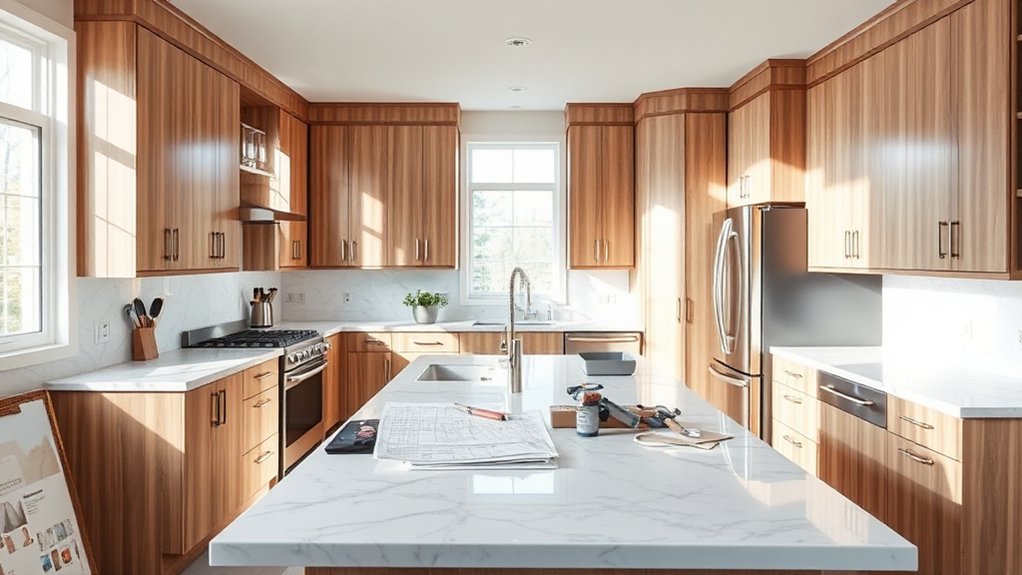
Kitchen remodel costs can be hard to pin down, especially when every choice—from cabinets to countertops—affects your budget. If you’re wondering what determines the price, you’re not alone; many homeowners struggle to estimate the total before work begins.
A kitchen remodel’s cost depends on your kitchen’s size, the cabinets you choose, and whether you keep the current layout. Materials like countertops, backsplash tile, flooring, and lighting can push the price up fast, especially with premium finishes. Appliances, plumbing, electrical upgrades, and permit fees also add to the total. Labor rates and hidden issues like water damage or outdated wiring can raise costs too, and there’s more to know if you keep going.
Key Takeaways
- Kitchen size and layout changes drive cost through demolition, materials, labor, and possible structural work.
- Cabinets often take a large budget share, especially when choosing semi-custom or custom options.
- Countertops, backsplash, flooring, and finish quality can quickly raise total material and installation costs.
- Plumbing, electrical, appliance upgrades, and permits add expense when utilities or layouts are moved.
- Hidden issues, labor rates, and contingency needs affect final price through repairs, delays, and change orders.
Average Kitchen Remodel Cost Ranges

How much does a kitchen remodel cost? You’ll usually see average kitchen remodel cost ranges from modest refreshes to full gut renovations. A small update with paint, hardware, and new fixtures can stay in the lower range, while midrange projects with new cabinets, countertops, and appliances climb higher. High-end remodels cost more because you’re paying for custom finishes, layout changes, and premium materials.
If you want a budget friendly design, focus on the surfaces people notice first, like cabinet fronts, lighting, and backsplash tile. You can stretch your money by reusing working appliances or refinishing cabinets instead of replacing them. Still, don’t let DIY enthusiasm create DIY pitfalls. Hidden plumbing, electrical issues, and poor measurements can turn a low-cost project into an expensive one. Plan carefully, compare quotes, and prioritize the upgrades that improve function and value most.
Kitchen Remodel Cost by Square Footage

Another major piece of the budget is kitchen size, since remodel costs often scale with square footage. If you’re updating a small kitchen, you’ll usually spend less on flooring, paint, drywall, and labor hours than you would in a large, open layout.
Bigger kitchens need more demolition, more finishing materials, and more time to complete, so your total rises fast. Even if your design stays simple, extra square footage can add material waste from cuts, seams, and leftover pieces.
Bigger kitchens require more demolition, materials, and labor, so costs climb quickly with every extra square foot.
You should also expect wider rooms to expose more uneven walls or subfloor issues, which can push the price higher. If you need permits, larger projects may face permit delays that stretch labor schedules and increase carrying costs.
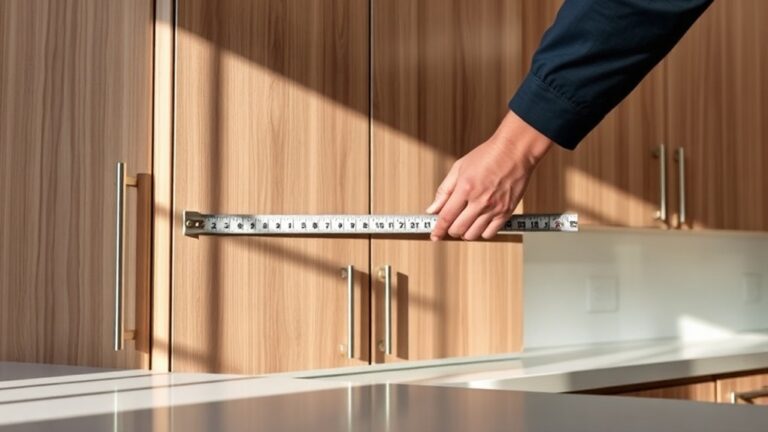
To keep control, measure carefully, compare bids by square foot, and ask contractors how they price prep work, cleanup, and site access. When you understand the size factor, you can budget more accurately.
How Cabinets Affect Kitchen Remodel Cost

Cabinets often take up a big share of your kitchen remodel budget because they affect both materials and labor. If you choose stock units, you’ll usually spend less, while semi-custom or custom cabinets raise costs fast.
Cabinet customization lets you match your layout, storage needs, and style, but extra drawers, pull-outs, and unusual sizes all add time and money. You’ll also pay more for stronger materials, better joinery, and hardware that lasts longer.
Cabinet finish options can change the price too. Paint, stain, glaze, and specialty coatings each need different prep and finishing steps, so the more detailed the look, the more you’ll likely spend.
Installation matters as well, especially if your old cabinets need removal, wall repairs, or adjustments for uneven floors. If you want to control costs, compare materials, simplify the layout, and decide where upgrades truly matter most.
Countertops and Backsplash Materials
Your countertop and backsplash choices can quickly change your kitchen remodel costs. Materials range from budget-friendly laminate and tile to pricier options like quartz, granite, and other stone.
Installation details matter, too. Special cuts, custom edges, or intricate tile patterns can add to the cost, and more complex work usually means higher labor costs.
Material Price Ranges
When it comes to countertops and backsplash materials, prices can swing widely based on what you choose, from budget-friendly laminate and ceramic tile to high-end quartz, granite, or handmade tile. You’ll usually pay less for laminate and standard ceramic, while stone slabs and artisan tiles push your budget higher.
Your total also shifts with materials sourcing, since local suppliers, specialty finishes, and imported options can change the price fast. If you want a custom look, expect to spend more for rare colors, larger slabs, or premium edge details.
You should also compare contractor warranties, because better coverage may come with higher material grades or approved brands. Planning your finish choices early helps you balance style, durability, and cost without overspending.
Installation Complexity Factors
Installation can change your total just as much as the material itself. If you choose heavy stone countertops or intricate tile backsplashes, you’ll pay for more labor, more time, and more care.
Installers may need extra supports, precise cuts, and specialized tools, especially when your kitchen has uneven walls, custom angles, or a large island. Those installation complexities can also increase waste if workers must trim expensive slabs or match patterned tiles.
You should also watch for coordination pitfalls between the countertop and backsplash schedule, since one delay can stall the other. If your design includes seams, outlets, or delicate finishes, expect added fitting work.
Simple materials install faster, but complex choices can raise your final bill quickly.
How Appliances Affect Kitchen Remodel Cost
Appliances can swing a kitchen remodel budget more than many homeowners expect. If you choose standard models, you’ll keep costs lower, but premium finishes, smart features, and larger capacities raise the price quickly.
You should also weigh appliance efficiency and warranty considerations, since efficient models can cut long-term utility use and stronger warranties may protect your investment.
| Appliance type | Cost impact |
|---|---|
| Basic package | Lowest |
| Midrange suite | Moderate |
| Built-in pro models | Highest |
You’ll often save by keeping your current layout and selecting sizes that fit existing openings. Fridge, range, dishwasher, and hood choices can each shift the total by hundreds or thousands of dollars.
If you want a polished look without overspending, mix one standout appliance with simpler companions. That way, you control the budget while still getting the performance and style you want.
Plumbing and Electrical Costs
After choosing appliances, you’ll also need to account for the plumbing and electrical work that supports them.
Plumbing and electrical work behind the scenes can significantly affect your kitchen remodel budget.
If you move a sink, dishwasher, or refrigerator with a water line, your plumbing costs can climb quickly because a pro must reroute pipes, add shutoff valves, and test for leaks. Older homes may need upgraded supply lines or drain improvements, which adds labor and materials.
On the power side, your electrical costs depend on whether you need new circuits, GFCI outlets, dedicated appliance lines, or a panel upgrade to handle the load. You may also pay more if your kitchen needs code-compliant grounding, lighting rewiring, or added outlets near prep areas.
Even small changes can require permits and inspections, so plan for those fees too. Getting estimates from licensed plumbers and electricians helps you spot hidden issues early and keep your remodel budget realistic.
How Layout Changes Raise Costs
When you change your kitchen’s layout, costs usually rise because the work goes beyond cosmetic updates and starts affecting the room’s structure and utilities. You may need to move walls, shift appliances, or reroute plumbing and wiring, and each step adds labor, permits, and inspection fees.
Even small layout changes can trigger new framing, demolition, and patching, especially if you’re opening the room to another area. Better space planning can improve traffic flow and storage, but it often requires custom cabinet sizing or altered countertop runs, which pushes the budget higher.
You’ll also spend more if your new design demands longer utility lines or additional structural support. If you keep the existing footprint, you can control costs more easily.
Before you commit, compare the value of the new arrangement with the extra expense, so your remodel matches both your goals and your budget.
Flooring, Lighting, and Finishes
Even if you keep your kitchen layout the same, flooring, lighting, and finishes can still move your budget quite a bit. Your choice of material matters: luxury vinyl costs less than hardwood or stone, while durable tile often lands in the middle.
Flooring choices can shift your budget significantly, with luxury vinyl, tile, and hardwood each landing at different price points.
When you compare options, think about flooring considerations like moisture resistance, wear, and how much prep your subfloor needs. Lighting can also add up fast, especially if you want new fixtures, dimmers, or better task lighting over counters.
Smart lighting placement helps you brighten work zones without overspending on unnecessary extras. Finishes shape the final price too. Cabinet pulls, faucets, backsplash tile, and paint quality can seem minor, but premium selections raise costs quickly.
If you mix practical basics with a few standout details, you can control spending while still getting a kitchen that feels fresh, polished, and built for daily use.
Labor Rates and Contractor Fees
Labor rates often make up a large share of your kitchen remodel budget, and contractor fees can vary widely based on location, project scope, and demand. You’ll usually pay more in busy markets, where skilled crews are booked solid and pricing reflects that competition.
A general contractor may charge a flat fee, a percentage of the total job, or a markup on subcontractors, so ask exactly how the estimate works. Labor rates also rise when your project needs specialized skills, such as plumbing, electrical work, or structural changes.
If you want to control contractor fees, compare multiple bids, check references, and make sure each quote covers the same scope. Clear plans help you avoid surprises and keep the job moving efficiently.
When you understand how labor rates are set, you can judge whether a bid is fair and choose the right team for your remodel.
Hidden Kitchen Remodel Costs
Even a well-planned labor budget can miss surprise expenses that show up once demolition starts. You might uncover water damage, outdated wiring, mold, or uneven flooring that needs immediate repair before new cabinets go in.
Those fixes can add up fast, especially if you’re already stretching for finishes and appliances. You should also watch for permit costs, inspection delays, delivery charges, and disposal fees, since they can quietly inflate your total.
Cheap supplies can seem like a smart shortcut, but low-quality materials often wear out sooner or need replacement sooner than expected. That means you may pay twice.
Hidden fees can also appear in change orders, restocking charges, and extra labor for custom adjustments. To keep control, build a contingency fund into your budget, ask for itemized estimates, and verify what each quote includes.
When you plan for the unknown, you reduce surprises and protect your remodel from costly setbacks.
Frequently Asked Questions
Do Permits Significantly Increase Kitchen Remodel Costs?
Yes, permits can considerably increase your kitchen remodel costs, especially if your project involves plumbing, electrical, or structural changes. You’ll usually pay application fees, plan review costs, and inspection charges, and permit timing can affect labor if work stalls waiting for approval.
The permits impact your budget less on simple cosmetic updates, but they can add hundreds or even thousands when your remodel needs official signoff and extra compliance work.
How Long Does a Typical Kitchen Remodel Take?
A typical kitchen remodel takes about 6 to 12 weeks, though you might wait longer if you’re changing layouts or ordering custom materials. As the adage goes, good things come to those who wait.
You’ll want to plan for longer timelines if inspections, deliveries, or surprise issues pop up. Those delays can also bring hidden costs, so build some buffer into your schedule and budget to stay on track.
Can I Remodel a Kitchen in Stages to Save Money?
Yes, you can remodel a kitchen in stages to save money. You’ll spread out costs, use phased budgeting, and avoid one big expense. Start with the most urgent updates, like cabinets or appliances, then tackle flooring, lighting, and finishes later. Staged remodeling lets you keep using the kitchen while you work, and you can adjust plans as you go to match your budget and priorities.
What Financing Options Are Available for Kitchen Renovations?
You can choose several financing options for kitchen renovations, from personal loans and home equity lines to cash-out refinancing and contractor payment plans. Picture your new cabinets gleaming under bright lights while you spread the cost over time.
Compare loan types carefully, since rates, terms, and fees vary. You’ll want to check your credit, estimate monthly payments, and pick the option that keeps your remodel moving without straining your budget.
How Much Contingency Budget Should I Set Aside?
You should set aside 10% to 20% of your kitchen remodel budget for contingency budgeting. Start with a risk assessment of hidden issues like plumbing damage, outdated wiring, or delivery delays.
If your home is older or you’re changing layouts, lean toward 20%. If the project’s simple and your contractor has done a thorough inspection, 10% may be enough.
Keep that money separate so you can handle surprises without stress.
Conclusion
So, how much does a kitchen remodel cost? It depends on your space, your choices, and the changes you make. From cabinets and countertops to appliances, labor, and hidden fees, every detail can push your budget up or keep it in check.
When you plan carefully and prioritize what matters most, you can create a kitchen you’ll love without surprises. Ready to explore the cost of a kitchen remodel and turn your vision into a space that truly works for you?