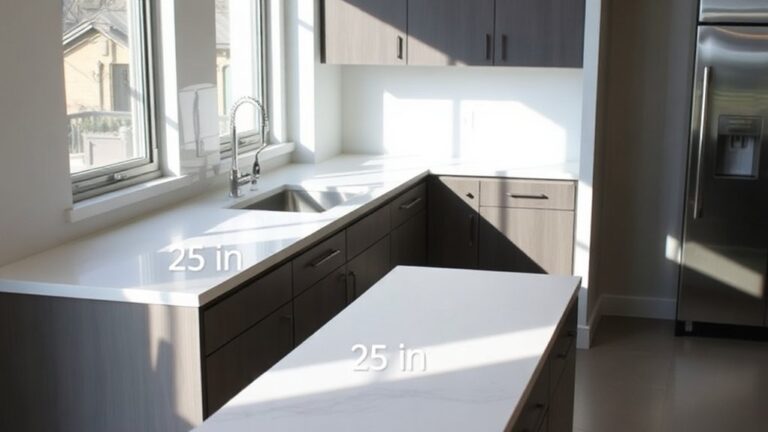
10 Costs to Know About How Much It Costs to Remodel a Kitchen
A kitchen remodel can quickly cost more than you expect, and figuring out where the money goes can feel overwhelming. If you’re wondering how much it costs to remodel a kitchen, you’re…

A kitchen remodel can quickly cost more than you expect, and figuring out where the money goes can feel overwhelming. If you’re wondering how much it costs to remodel a kitchen, you’re not alone: many homeowners struggle to budget for everything beyond cabinets and countertops.
You’ll also want to account for labor, permits, plumbing, electrical work, flooring, appliances, design fees, and surprise repairs. Simple cosmetic updates cost less, while midrange and custom projects can climb fast.
Cabinet materials, countertop types, and appliance choices can all swing the total. Set aside 10% to 20% for contingencies so surprises don’t derail your plan, and keep going to see the ten biggest cost drivers.
Key Takeaways
- Total kitchen remodel cost depends on scope, finishes, layout changes, and unexpected repairs.
- Midrange remodels usually replace cabinets, countertops, flooring, appliances, and key lighting.
- Labor costs vary by project complexity, crew experience, and pricing model used.
- Permits, inspections, and design fees can add significant extra costs.
- Set aside 10% to 20% of your budget for contingencies and surprise repairs.
How Much Does a Kitchen Remodel Cost?

How much does a kitchen remodel cost? You’ll find the answer depends on your goals, your space, and the finishes you choose. If you update cabinets, counters, flooring, lighting, and appliances, you can expect a wide range because every project has different demands.
Kitchen remodel costs vary widely based on your goals, space, and finish choices.
Your layout, material choices, and labor needs all shape the total. A simple refresh costs far less than a full redesign, while custom work can push the price much higher.
You should also account for permits, design fees, and unexpected repairs, since hidden issues can change your numbers fast. An irrelevant topic like paint color alone won’t tell you much about overall cost, and a stray idea like adding a second sink can shift your plan quickly.
Focus on the scope you really need, then compare estimates carefully so you can make smart choices without overspending.
Average Kitchen Remodel Budget
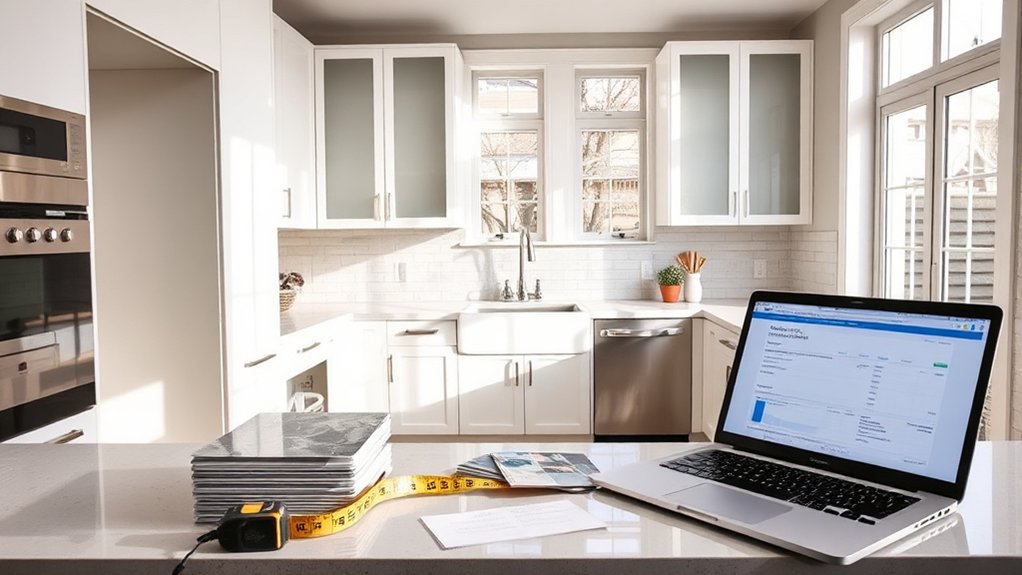
Kitchen remodel budgets can vary widely depending on your space and goals. A midrange remodel can give you solid updates without overspending, while a premium project may cost more because of custom finishes and top-tier materials. Knowing what your budget can cover helps you plan ahead and avoid surprises.
Average Budget Range
So, what does an average kitchen remodel budget usually look like? You’ll often see a practical range that gives you room to update finishes, improve layout, and still stay in control. Your budget should reflect your goals, your home’s condition, and your style choices.
Early planning helps you compare quotes, prioritize must-haves, and keep inspiration sourcing focused. Color psychology can also guide paint, tile, and cabinet selections, helping you create a space that feels calm or energizing.
| Budget Tier | Typical Focus |
|---|---|
| Lower end | Cosmetic updates |
| Middle range | Mix of repairs and upgrades |
| Higher end | More custom features |
You don’t need to overspend to get a fresh look; you just need a clear plan.
Midrange Remodel Costs
Midrange kitchen remodel costs usually land in the middle of the budget spectrum, where you can balance practical upgrades with a noticeably better finished look. You might replace cabinets, install durable countertops, update flooring, and choose efficient appliances without pushing into luxury territory.
This range often gives you enough room for meaningful changes while still keeping budget planning realistic. You should focus on value-driven materials and layouts that improve storage, workflow, and lighting.
Careful choices help you avoid design mistakes like crowded work zones, mismatched finishes, or undersized fixtures. If you set priorities early, you can spend where it matters most and trim costs where it doesn’t.
A midrange remodel can refresh your kitchen, boost daily function, and deliver a polished result that feels worth the investment.
Premium Spending Levels
Premium kitchen remodel budgets open the door to high-end finishes, custom features, and more significant layout changes. You can expect premium spending to support custom cabinets, stone countertops, professional-grade appliances, and a layout that truly fits how you cook and gather.
This level of investment can feel exciting because every choice adds comfort and value, but you still need to watch for design pitfalls and budget pitfalls that can quietly inflate costs.
- You may feel thrilled by a chef-worthy range.
- You can create a kitchen that reflects your style.
- You’ll want room for surprises and upgrades.
Work with clear priorities, detailed plans, and firm allowances so your dream kitchen doesn’t drift beyond what you meant to spend.
Cabinet Costs for a Kitchen Remodel

When budgeting for kitchen cabinets, keep in mind that your choice of material can significantly affect both the cost and durability. You’ll also need to choose between stock and custom cabinets, which can differ in price and fit. And don’t forget installation and hardware—they can add up quickly.
Cabinet Material Options
Cabinet material choice can shift your kitchen remodel budget more than almost any other decision. You’ll usually weigh solid wood, plywood, MDF, and laminate, and each changes what you pay and how your kitchen feels.
If you want a warm, natural look, wood often costs more but rewards you with character. Plywood can give you strength without the highest price, while MDF often helps you save on painted surfaces.
Your cabinet finish and door style also affect the total, since simpler profiles and smoother finishes usually cost less than detailed ones.
- Relief when you stay on budget
- Frustration if repairs pile up
- Confidence when you choose wisely
Think about durability, moisture, and how much wear your cabinets will face every day.
Stock Vs Custom
Once you’ve narrowed down cabinet materials, the next big budget choice is whether to buy stock or go custom. With stock vs custom, you’ll usually see a huge price gap.
Stock cabinets come in standard sizes and finishes, so you can save money and keep your remodel moving fast. Custom cabinets cost more because you get exact dimensions, tailored storage, and design flexibility that fit awkward spaces or specific style goals.
If your kitchen layout is simple, stock options may cover your needs without sacrificing looks. If you want a built-in feel or need to solve space challenges, custom can be worth the premium.
Compare both against your cabinet material options, and choose the path that matches your budget, timeline, and long-term priorities.
Installation And Hardware
Another major cabinet cost to plan for is installation and hardware. You’ll want to budget for skilled labor because precise cabinet fitting can make or break your kitchen’s final look.
Good installation considerations include wall leveling, plumbing clearance, and trim work. Those details can save you from costly fixes later.
Hardware choices also affect both price and style, since hinges, pulls, and soft-close slides add up fast.
- A crooked cabinet can drain your excitement.
- Cheap hardware can wear out sooner than you expect.
- Proper installation can give you peace of mind.
If you choose upgraded finishes or complex layouts, expect higher labor costs. Still, investing here often means fewer headaches, smoother drawers, and a kitchen that feels finished.
Countertop Costs That Affect Your Budget
What you choose for countertops can swing your kitchen remodel budget more than you might expect. Your biggest cost drivers are countertop materials, slab thickness, and fabrication complexity. Laminate usually keeps you on the low end, while quartz, granite, marble, and solid surface climb higher.
If you want a premium look, expect to pay more for rare colors, full-height backsplashes, and matching seams.
Edge profiles also change the price. Simple eased edges cost less, while beveled, ogee, or waterfall details add labor and material waste. You’ll also spend more if your layout needs lots of cutouts for sinks, faucets, or outlets.
Measure carefully before you order, because waste and remnant pieces can nudge your total up. If you’re balancing style and budget, compare installed quotes instead of sticker prices alone. That helps you see the real cost and avoid surprises.
Appliance Costs for a Kitchen Remodel
Appliances can make a big dent in your kitchen remodel budget, especially if you’re replacing every major unit at once. You might spend more on a professional-style range, a counter-depth fridge, or a quiet dishwasher, depending on the features you want.
Smart upgrades, energy savings, and finish quality all push prices higher, so set priorities before you shop.
- A surprising price tag can sting fast.
- A missing feature can leave you frustrated for years.
- A good deal can feel like a huge relief.
If cash feels tight, look into appliance financing so you can spread payments without delaying the project. Also check warranty coverage, because repairs on high-end units can get expensive quickly.
When you compare models, focus on what you’ll use every day, not just what looks impressive. That way, you protect your budget and still get appliances you’ll enjoy for years.
Labor Costs for a Kitchen Remodel
Labor costs for a kitchen remodel can vary based on the project’s size and complexity, as well as the crew’s experience. Contractors may charge a fixed price, an hourly rate, or a cost-plus markup. Knowing how these pricing models work makes it easier to compare estimates and stay on budget.
Labor Cost Factors
Labor is one of the biggest variables in a kitchen remodel, and it can swing your budget fast. You’ll feel the impact of layout changes, electrical upgrades, plumbing shifts, and custom finishes because each one adds skilled hours.
Clear labor budgeting helps you decide where to spend and where to simplify, while realistic project timelines keep surprise overtime from piling up.
- A rushed schedule can drain your savings.
- Hidden repairs can make your heart sink.
- Specialized work can raise costs, but it can also protect your home.
When you plan for complexity early, you reduce stress and keep your remodel moving. The more your design changes midstream, the more labor you’ll pay for.
Contractor Pricing Models
Contractor pricing models can shape your kitchen remodel budget as much as the work itself. You’ll usually see contractor pricing in three forms: fixed bid, hourly rate, or cost-plus.
A fixed bid gives you one set price, which helps you control spending if the scope stays steady. Hourly pricing works better when you expect surprises, but it can climb fast if the job runs long.
Cost-plus means you pay the contractor’s actual labor and material costs plus a markup, so you should ask for detailed records. During project bidding, compare what each quote includes, because the lowest number isn’t always the best value.
Clear contracts, change-order terms, and payment schedules help you avoid labor cost shocks and keep your remodel on track.
Plumbing and Electrical Upgrade Costs
- You may feel relieved when unsafe wiring gets replaced.
- You may feel stressed if hidden pipes need major work.
- You may feel confident once your kitchen supports modern appliances.
Expect costs to rise fast if your home is older, because access is harder and surprises show up behind the walls. Ask for detailed estimates before work starts so you can avoid shocks and protect your budget.
Flooring Costs for a Kitchen Remodel
Flooring can take a big bite out of your kitchen remodel budget, especially if you need to tear out old material, level the subfloor, or move appliances during installation. You’ll usually spend less on vinyl and laminate, while hardwood, tile, and stone push costs higher.
Your flooring choices affect both material price and labor, since some options need special underlayment, moisture barriers, or extra prep. If your kitchen has an awkward layout, expect more cutting and waste, which can raise the final bill.
Installation timing matters too: scheduling work after cabinets are set may save money, but it can also limit your options and create trim work. If you want a cleaner look, install flooring first, but coordinate carefully with the rest of the remodel.
Ask for detailed quotes so you can compare materials, labor, removal, and disposal before you commit.
Permit Fees and Inspection Costs
Once you’ve accounted for materials and labor, don’t forget the paperwork that can add to your remodel budget. Permit fees vary by city, project size, and permit dynamics, so you’ll want to check local rules before you start.
If you’re moving plumbing, electrical, or structural elements, you’ll likely pay more for approvals. Inspection timing also matters because each required visit can affect your schedule and sometimes your costs if reinspection is needed.
- You can feel the sting of surprise fees if you skip research.
- You may breathe easier when you budget for every approval.
- You’ll avoid delays when you line up inspections early.
Plan for permit applications, plan review charges, and final sign-off fees as part of your kitchen remodel. Even if the amounts seem modest, they can stack up quickly and add pressure to an already tight budget.
Staying organized helps you keep control and move forward with fewer headaches.
Contingency Costs for Unexpected Repairs
Unexpected problems can show up fast during a kitchen remodel, so it’s smart to set aside a contingency fund for repairs you can’t predict. You might uncover water damage, rotted subflooring, outdated wiring, or hidden mold once walls come down. These unexpected repairs can quickly push your budget past its limit if you don’t plan ahead.
A good rule is to reserve 10% to 20% of your total remodel budget for surprises. If your home is older or has had past leaks, lean toward the higher end. Strong contingency planning helps you keep work moving without scrambling for cash or cutting back on key upgrades.
Ask your contractor which repairs they consider likely, and get clear estimates for possible issues before demo begins.
When you build this cushion into your plan, you reduce stress and protect the rest of your project from costly delays.
Frequently Asked Questions
How Long Does a Kitchen Remodel Usually Take?
A kitchen remodel usually takes 6 to 12 weeks, but your timeframe considerations can stretch that range. If you’re changing the layout, moving plumbing, or waiting on custom materials, it can take longer.
Contractor scheduling also affects your timeline, especially when crews juggle multiple projects. You’ll move faster if you finalize plans early, order materials ahead, and stay flexible when surprises come up during demolition or installation.
Can I Live at Home During the Remodel?
Yes, you can usually stay home, but 77% of remodels disrupt daily routines, so you’ll need flexibility. You’ll live with noise, dust, and limited kitchen access, and you may have to adjust meal plans or wash dishes elsewhere. If the work affects plumbing, power, or safety, consider temporary housing. Factor in extra living expenses if you eat out more or stay elsewhere during the mess.
Which Kitchen Layout Works Best for Small Spaces?
A galley layout usually works best in small spaces because you’ll keep everything within easy reach. You can maximize storage solutions with tall cabinets, pull-out organizers, and open shelving. If you want appliance upgrades, choose slimline models and built-ins that save floor space. You’ll also benefit from a single-wall layout if your room’s extremely tight, since it keeps traffic simple and makes the kitchen feel more open.
How Can I Save Money on a Kitchen Remodel?
You can save money on a kitchen remodel by steering your project like a careful captain through rough waters. Start with saving strategies: keep the layout, reuse cabinets, and choose stock materials.
Then use budget tips like comparing quotes, shopping sales, and tackling simple demo yourself. You’ll stretch every dollar by prioritizing needs over wants, and you won’t sacrifice style if you plan ahead and resist last-minute upgrades.
Do Kitchen Remodels Increase Home Resale Value?
Yes, you can boost resale value with a kitchen remodel, especially if you focus on updates buyers want. You’ll usually see the best Remodel ROI from minor to midrange projects, not luxury overhauls. Your Value impact depends on your neighborhood, materials, and layout improvements. If you keep the design broad and functional, you’ll likely attract more buyers and recover more of your investment when you sell.
Conclusion
When you plan your kitchen remodel, you’re not just choosing cabinets and countertops—you’re shaping the heart of your home. From appliances to permits, every cost adds another brushstroke to the bigger picture.
If you budget wisely and leave room for surprises, you’ll avoid stress and keep the project moving. A well-planned remodel can turn a worn-out space into a warm, welcoming kitchen you’ll love cooking, gathering, and living in every day. Knowing how much it costs to remodel a kitchen can help you plan with confidence.