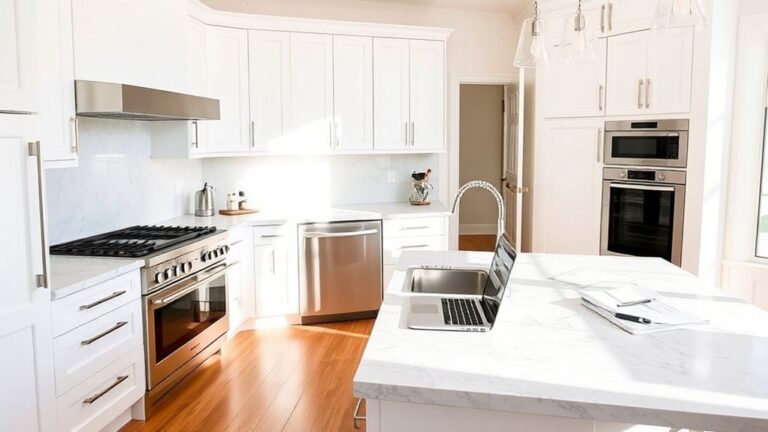
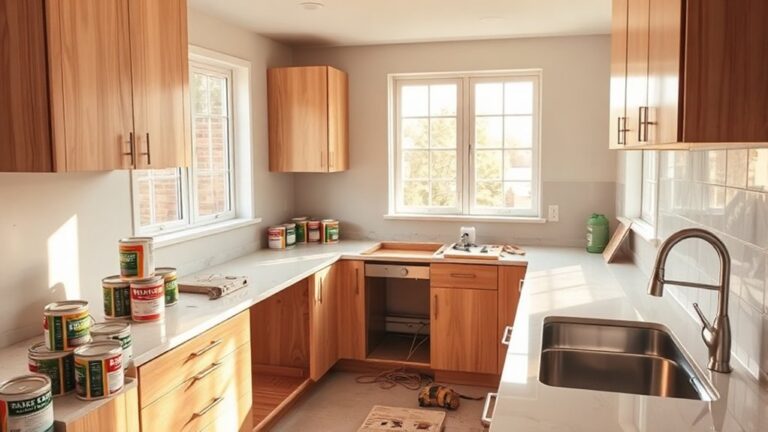
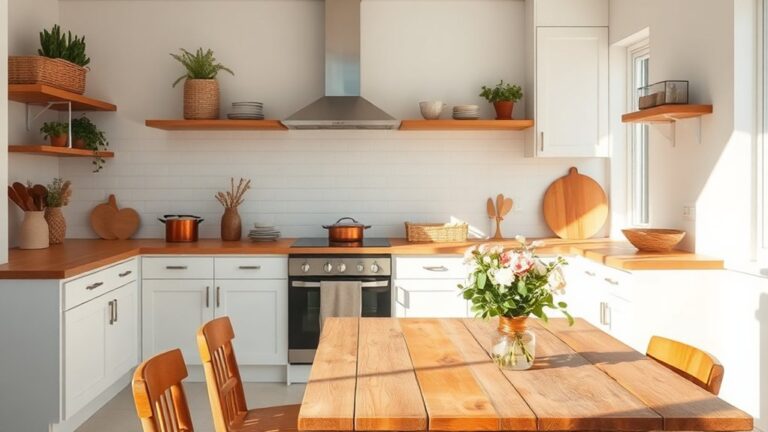
10 Factors Affecting How Much to Reface Kitchen Cabinets
Wondering how much it costs to reface kitchen cabinets? You’re not alone—many homeowners struggle to estimate the budget before comparing options. The price depends on several factors, from your kitchen’s size and…
Wondering how much it costs to reface kitchen cabinets? You’re not alone—many homeowners struggle to estimate the budget before comparing options. The price depends on several factors, from your kitchen’s size and cabinet condition to your choice of materials and finishes.
Ten factors affect how much you’ll pay to reface kitchen cabinets: kitchen size, layout complexity, cabinet condition, needed prep work, veneer or wood choice, finish type, hardware upgrades, labor rates, custom details, material sourcing, and whether you reface instead of replace. A simple straight-run kitchen with solid boxes and standard hardware costs less, while larger, damaged, or highly customized kitchens cost more. If you keep going, you’ll see how each factor changes your budget.
Key Takeaways
- Kitchen size and layout drive cost because more cabinets, corners, islands, and tall units need more materials and labor.
- Cabinet condition matters since damage, warping, or repairs increase prep time and overall refacing expense.
- Material choice affects price; veneer, laminate, solid wood, and specialty finishes each carry different costs.
- Hardware upgrades like soft-close hinges, decorative pulls, and custom fittings add parts, drilling, and installation labor.
- Labor pricing and quote clarity matter, so compare itemized estimates and whether charges are by the job or by the hour.
How Much Does Kitchen Cabinet Refacing Cost?
So, how much does kitchen cabinet refacing cost? You’ll usually spend about $4,000 to $9,000 for an average kitchen, though your final price can climb higher when you choose premium veneers, solid wood doors, or custom hardware.
Kitchen cabinet refacing typically costs $4,000 to $9,000, with premium materials pushing the price higher.
Labor often makes up a large share of the bill, because installers must remove old fronts, prepare surfaces, and fit new panels with care. Your material sourcing choices matter too: local suppliers, imported finishes, and specialty products can all shift costs.
You can also see price differences based on door style, edge detail, and whether you add matching trim or soft-close hinges. Color trends influence your budget as well, since popular finishes may cost more or require special coatings.
If you want a sharper estimate, ask for itemized quotes so you can compare materials, labor, and upgrades side by side.
How Kitchen Size Impacts Cost
Kitchen size plays a major role in refacing costs because more cabinets mean more doors, drawer fronts, veneer, and labor. You’ll usually see the biggest size impact in kitchens with long runs, tall pantry units, or extra islands. Your kitchen layout also matters, since U-shaped and galley designs can add more visible surfaces than a compact one-wall setup.
| Kitchen Size | Typical Cabinet Count | Cost Impact |
|---|---|---|
| Small | 10-15 | Lower |
| Medium | 16-25 | Moderate |
| Large | 26+ | Higher |
When you have more cabinet faces, the project takes more materials and more time to complete. You may also pay more if your layout includes many corners or mixed cabinet sizes, since each piece must fit cleanly. To estimate your budget, count every door and drawer front first, then compare that total with your preferred finish.
Cabinet Box Repairs and Prep Work
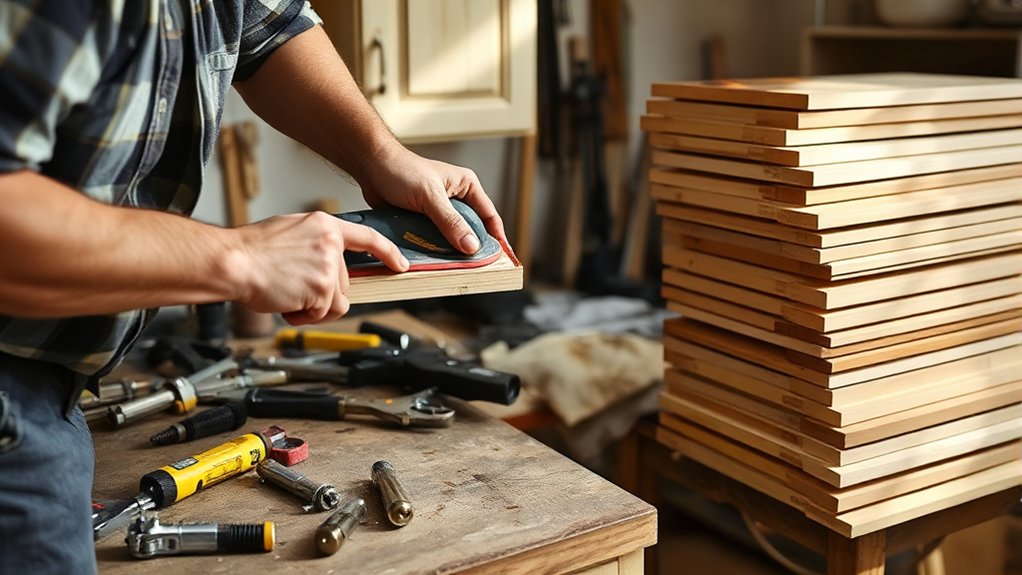
Before refacing your cabinets, inspect the boxes for damage, such as loose joints, water stains, or warped panels. If you find any issues, repairing them may add time and cost to the project. Then sand and clean the surfaces to prepare them for the new finish and help it bond properly.
Assessing Box Damage
How damaged are your cabinet boxes? Start with a careful box evaluation so you can spot weak corners, swollen panels, and loose joints before you commit to refacing. Check whether the cabinet still has structural integrity, because serious warping or separation can raise your repair costs fast. You’ll save money when you catch problems early and decide what’s worth fixing.
- Look for sagging shelves that signal hidden strain.
- Inspect frame joints for gaps, cracks, or movement.
- Test back panels for softness, bending, or damage.
- Note missing hardware that may affect support.
If the damage stays minor, you can often repair and move forward. If the box feels unstable, expect more labor, more materials, and a higher overall refacing price.
Surface Prep Requirements
Now that you’ve checked the cabinet boxes for damage, the next cost driver is how much prep they need before refacing can begin. You may need to fill gouges, tighten loose joints, sand rough spots, and clean away grease or old adhesive.
If the boxes are warped, swollen, or badly chipped, expect more labor and higher charges. Good surface prep lets new veneer, paint, or doors bond properly, so contractors can’t skip it.
You should also plan for patching nail holes, leveling edges, and priming exposed wood. When you compare two word discussion ideas with your installer, ask how they handle repairs, cleanup, and drying time.
The more work your cabinets need, the more your refacing project will cost.
Veneer, Laminate, or Wood Door Costs
Door material can make a noticeable difference in refacing costs. Veneer is often a budget-friendly option, while laminate prices vary depending on the finish and durability. Solid wood usually costs more, but it can offer a richer look and long-lasting appeal.
Veneer Material Pricing
Material choice has a major impact on refacing costs, since veneer, laminate, and solid wood door fronts each come with different price points. When you compare veneer pricing, you’ll usually see wide variation based on species, thickness, and grain quality.
A premium veneer can raise your budget, but it can also improve finish durability and give your cabinets a richer look. You’ll pay more for consistent color matching and custom edging, while thinner sheets keep costs down.
- Cherry veneer often costs more than oak
- Book-matched panels add visual appeal
- Thick backers help reduce warping
- Hand-applied finishes can increase labor
Laminate Cost Differences
Laminate usually costs less than veneer or solid wood, which can make it a budget-friendly choice for cabinet refacing. You’ll often see laminate pricing vary with color, texture, and edge detailing, so simple finishes stay cheaper. When you compare options, veneer selection can raise your total if you choose rarer grain patterns or premium matching.
| Material | Relative Cost |
|---|---|
| Laminate | Lowest |
| Veneer | Mid-range |
| Wood | Highest |
You can save more by choosing standard sizes and fewer decorative upgrades. Laminate also installs quickly, which can trim labor charges. If you want a clean, modern look without stretching your budget, laminate gives you strong value while keeping your refacing project affordable and predictable.
Solid Wood Door Rates
If you’re comparing cabinet refacing options, solid wood doors usually sit at the top of the price range, with veneer and laminate offering lower-cost alternatives. You’ll pay more for solid wood door rates because the material is durable, heavy, and easier to match with custom finishes.
Veneer costs fall in the middle, since you get a wood surface over a less expensive core. Laminate often costs less, but it can’t replicate the same depth or grain. Consider how each choice affects appearance, upkeep, and long-term value.
- Solid wood: premium look
- Veneer: balanced price
- Laminate: budget-friendly option
- Finish: impacts total cost
Hardware Upgrades for Refaced Cabinets
| Hardware type | Typical cost impact | Best use |
|---|---|---|
| Basic knobs | Low | Budget refacing |
| Decorative pulls | Medium | Style boost |
| Soft-close hinges | Higher | Everyday convenience |
If you keep the same layout and hole spacing, you’ll save time and labor. Matching all hardware throughout your kitchen also helps create a cleaner, more cohesive result without pushing your refacing budget too far.
Custom Features That Add Cost
Custom features can raise your cabinet refacing costs quickly. For example, custom door profiles often require extra craftsmanship, while decorative hardware upgrades can cost more than standard pulls and knobs. These details give your cabinets a more tailored look, but they also increase the total project price.
Custom Door Profiles
How much can a custom door profile change your refacing budget? Quite a bit, because custom door profiles demand more machining, more labor, and sometimes special ordering.
When you choose cabinet door profiles beyond a standard slab or shaker style, you pay for the extra shaping that gives your kitchen a distinctive look. You’ll also need to match the new fronts to your existing boxes carefully, which can raise fabrication costs.
- Routed edges create a softer, more traditional feel
- Raised panels add depth and craftsmanship
- Beveled profiles suit a cleaner, tailored design
- Arched or specialty shapes need precise production
If you want a premium finish, custom details can be worth it, but they’ll nudge your refacing total upward.
Decorative Hardware Upgrades
Beyond door style, decorative hardware can also move your refacing cost up fast. If you choose upgraded pulls, knobs, hinges, or soft-close mechanisms, you’ll pay more for both parts and labor.
Custom decorative hardware often means special drilling, exact alignment, and extra installation time, which can raise the quote quickly. You may also spend more if you want matching finish options, such as brushed brass, matte black, or antique bronze, especially when your cabinets need a coordinated look throughout the kitchen.
Even small changes add up when you replace every handle and hinge. If you’re trying to control costs, stick with standard hardware styles and common finishes. That way, you can still refresh your cabinets without letting accessories push the project over budget.
How Labor Affects Refacing Prices
Labor usually takes up a big share of cabinet refacing costs because skilled installers spend hours measuring, removing doors and drawer fronts, prepping surfaces, and fitting new veneers or laminates with care.
When you compare quotes, you’ll see that labor efficiency matters: crews that work quickly without cutting corners can lower your bill. Regional labor rates also shift pricing, so the same project may cost more in a high-wage city than in a smaller market.
You’ll usually pay for setup, cleanup, and careful finishing, too.
- Faster crews can reduce time on site
- Higher hourly wages raise your total
- Experienced installers waste less material
- Quality prep helps finishes last longer
If you want better value, ask what’s included in the labor estimate and whether the team charges by the job or by the hour.
How Layout Complexity Raises Costs
A simple kitchen with straight runs and few corners costs less to reface because installers can work faster and use materials more efficiently. When your kitchen has more angles, tall pantry banks, soffits, islands, or mixed cabinet depths, layout complexity pushes the price up.
Each extra corner means more measuring, cutting, and fitting, and those custom adjustments take time. You may also need additional trim pieces, filler panels, and hardware to make everything line up cleanly.
If your cabinets vary in size or placement, crews can’t rely on standard patterns, so they spend more hours on prep and installation. Material availability can also affect the total when your layout needs uncommon sizes or matching components that aren’t easy to source.
The harder your space is to map and finish accurately, the more labor and materials you’ll need, which raises your refacing cost.
How Finish Choices Change the Price
Your finish choice can shift your refacing price more than you might expect. If you pick paint, veneer, laminate, or a specialty coating, you’ll see different labor and material impact right away.
Simple painted finishes usually cost less because your contractor can prep and coat existing doors efficiently. Stained wood veneers often cost more since they need careful matching, sealing, and a higher-end look.
Glossy or textured surfaces can also raise the price because they demand extra steps and tighter application control.
- Matte paint keeps the job straightforward and budget-friendly.
- Wood veneer adds warmth and usually costs more.
- Laminate gives you a durable, clean look at a moderate price.
- Custom glaze or high-gloss coatings increase labor and detail work.
You’ll also pay more when finish choices require specialty primers, multiple coats, or precise color matching. Picking a finish that fits your style and budget helps you control the total without sacrificing the cabinet look you want.
Refacing vs. Replacing Kitchen Cabinets
Finish isn’t the only choice that affects your budget—whether you reface or replace your cabinets can make an even bigger difference. If your cabinet boxes are solid, refacing lets you keep the structure and swap doors, veneers, and hardware for a fresher look. You’ll usually spend less, finish sooner, and create less waste with eco friendly materials.
Replacement makes sense when your layout fails, the boxes sag, or you want a complete redesign with colorized finishes and new storage options.
| Option | Cost Impact | Best For |
|---|---|---|
| Refacing | Lower | Sound boxes |
| Replacement | Higher | Damaged cabinets |
| Refacing | Faster | Style updates |
| Replacement | Slower | Layout changes |
You should weigh appearance, durability, and long-term value before choosing. Refacing works best when you want a big visual change without a full tear-out. Replacement costs more, but it gives you total control over size, function, and materials.
Frequently Asked Questions
How Long Does Cabinet Refacing Usually Take?
Cabinet refacing usually takes you 3 to 5 days, though a bigger kitchen can stretch to a week. You’ll finish faster when your installer uses reliable materials and good cost estimating methods, because delays drop and planning improves.
You can keep the project moving by clearing countertops, approving door styles early, and answering questions quickly. If you’re replacing hardware too, expect a bit more time.
Can I Reface Cabinets Myself?
Yes, you can reface cabinets yourself if you’ve got patience, basic carpentry skills, and the right tools. You’ll handle measuring, cutting veneer, replacing doors, and aligning hardware.
For simple layouts, DIY can save money, but mistakes show fast. When you compare DIY vs pro refacing, pros deliver cleaner results and faster turnaround.
If your cabinets are damaged or your kitchen is large, hiring help may be worth it.
Will Refacing Increase My Home’s Resale Value?
Yes, refacing can boost your home’s resale value if your kitchen looks dated and you want a faster, cheaper upgrade than full replacement.
You’ll usually see the strongest refacing value impact when you choose neutral styles and quality finishes. It won’t guarantee a dollar-for-dollar return, but the resale cost benefit often appeals to buyers who want a fresh, move-in-ready kitchen without major renovation hassles or long project timelines.
Can Cabinet Refacing Be Done in Stages?
Yes, you can stage your cabinet refacing project, and a staged installation works well if you need to spread out costs or limit disruption. You might start with upper cabinets, then handle the lowers, or tackle doors and drawer fronts first.
Just keep the style, finish, and hardware consistent so the kitchen still looks coordinated. You’ll want a clear plan with your contractor to avoid extra labor and matching issues later on.
Does Refacing Work on All Cabinet Styles?
No, refacing doesn’t work on all cabinet styles. You can refresh flat-front boxes, update shaker doors, and modernize framed cabinets, but you can’t easily rescue warped, rotten, or badly built boxes.
You’ll need solid cabinet boxes, matching sizes, and enough surface for veneers and new fronts. If your cabinets are structurally sound, you’ve got options; if they’re damaged, you’ll likely need replacement instead of refacing.
Conclusion
Refacing your kitchen cabinets can save you money, but the final price still depends on several moving parts. When you consider cabinet size, repairs, materials, hardware, labor, layout, and finish, you get a clearer picture of what you’re really paying for.
Think of refacing as giving your kitchen a fresh coat of confidence, not a full costume change. Weigh your options carefully, and you’ll choose the kitchen cabinet refacing upgrade that fits both your style and your budget.