3 Key Costs for How Much to Renovate a Kitchen
Planning a kitchen remodel can feel overwhelming when costs add up faster than expected. You’re not alone—many people struggle to figure out where the budget goes. Understanding the key costs for how…
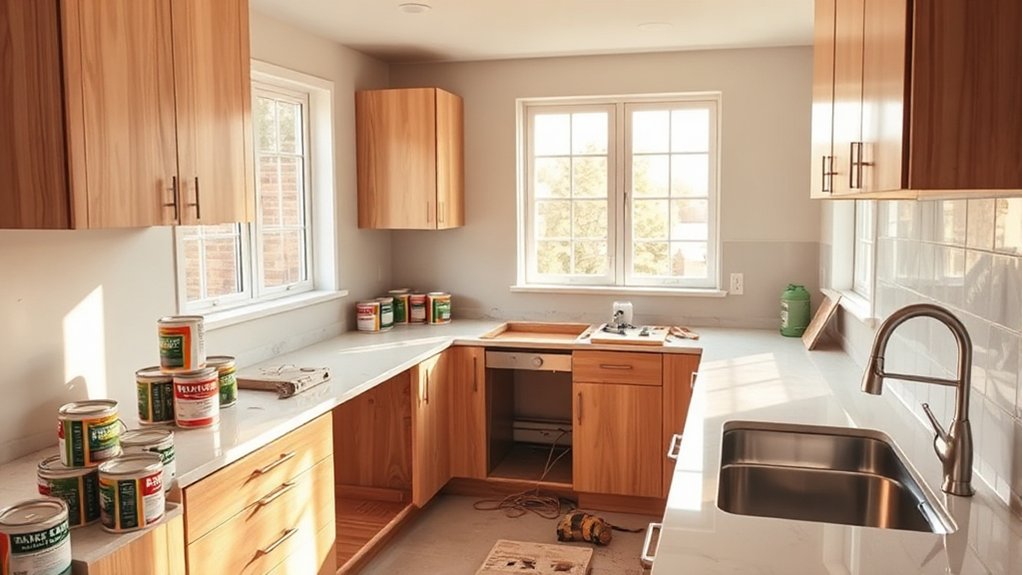
Planning a kitchen remodel can feel overwhelming when costs add up faster than expected. You’re not alone—many people struggle to figure out where the budget goes. Understanding the key costs for how much to renovate a kitchen can help you make informed choices and avoid surprises.
The three biggest costs in a kitchen remodel are usually cabinets, countertops, and labor. Your price can climb fast if you choose custom cabinets, stone or quartz counters, or move walls and plumbing. Premium finishes, thicker slabs, and appliance upgrades also raise the total.
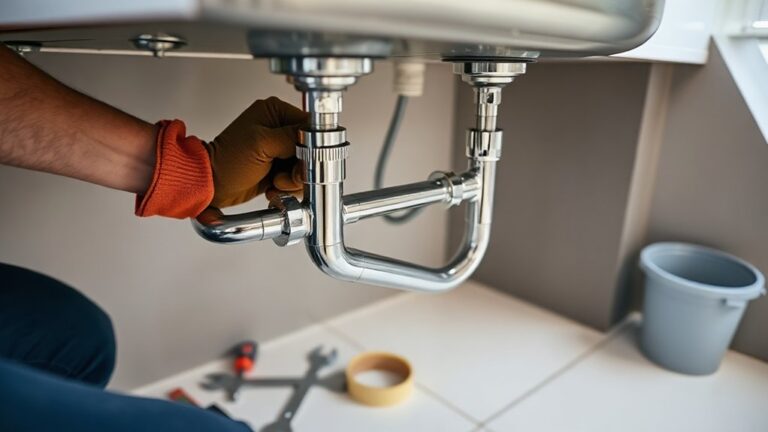
Labor covers demolition, electrical, plumbing, and installation, so complex projects cost more. If you want a clearer breakdown, keep going and you’ll see how each choice affects your budget.
Key Takeaways
- Cabinet choice drives a major share of kitchen renovation cost, from stock laminate to custom solid wood.
- Countertops affect budget through material, thickness, edge detail, and installation complexity.
- Labor can rise sharply with plumbing, electrical, wall changes, permits, and finish work.
- Appliance upgrades, especially built-in or panel-ready models, add significant cost.
- Premium materials and layout changes increase both materials and labor, pushing total renovation price higher.
What Increases Kitchen Renovation Costs?

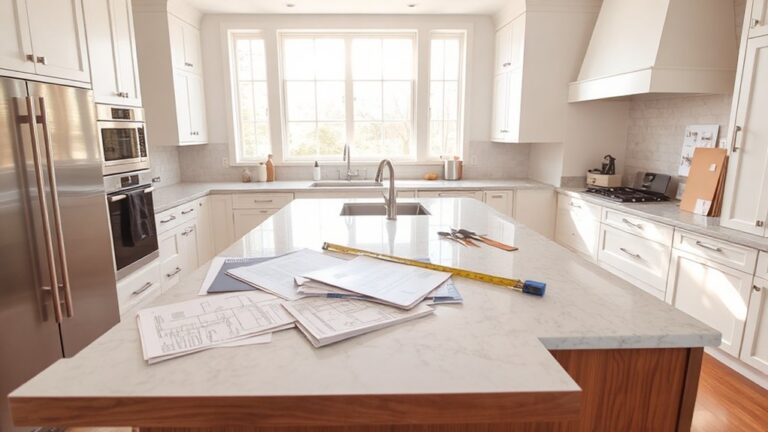
Several factors can push kitchen renovation costs higher, starting with the size of the space and the scope of the work. If you move walls, reroute plumbing, or upgrade electrical lines, you’ll add labor, permits, and time.
Your choices also matter: premium cabinet materials and custom finishes can raise prices fast, while specialty appliances and fixtures can stretch your budget further. The layout you want may require extra framing, ventilation, or flooring repairs, especially in older homes with hidden damage.
You’ll also pay more if you choose stone surfaces with greater countertop thickness, since heavier slabs need more material and support. Design complexity, demolition surprises, and contractor availability can all increase costs too.
To stay in control, define your priorities early, compare bids carefully, and keep a contingency fund for unexpected issues.
How Cabinets and Countertops Affect the Budget
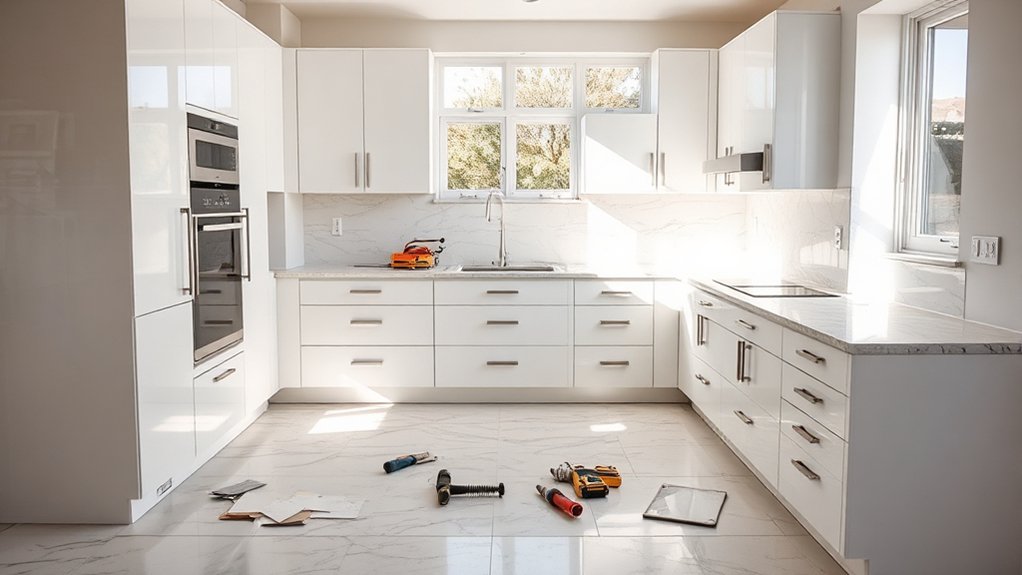
Cabinets and countertops usually take the biggest share of a kitchen remodel budget, so your material choices can change the total cost fast. When you choose cabinet materials, you’re deciding between quick savings and a look that lasts. Painted MDF or laminate can keep costs down, while solid wood or custom builds raise them quickly.
Countertop styles matter just as much; laminate is budget-friendly, but stone, quartz, or butcher block can push your price higher.
- You feel relief when stock cabinets fit your layout
- You feel confident when durable finishes resist wear
- You feel sticker shock when custom details add up
- You feel better when a midrange surface balances cost
- You feel proud when the kitchen matches your taste
If you want control, compare finishes, edge profiles, and installation needs before you commit. Small upgrades can add style without blowing your budget, and smart tradeoffs keep your remodel moving forward.
How Labor and Appliances Change the Total
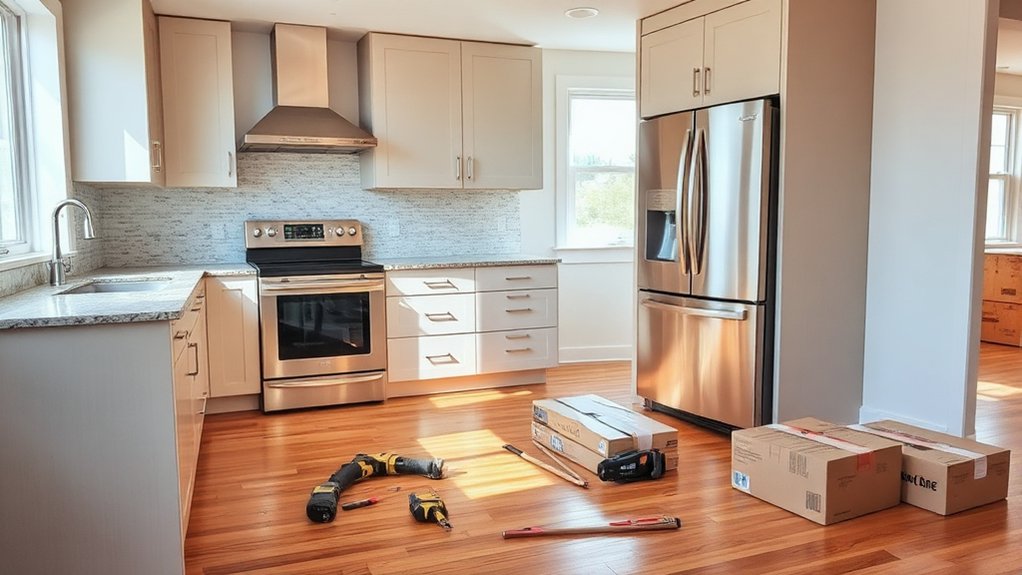
Labor and appliances can swing your kitchen remodel total just as much as materials do. You’ll pay for skilled trades, demolition, plumbing, electrical, and finish carpentry, and labor rates vary by region and project complexity.
Labor and appliances can shift your remodel costs as much as materials, depending on trades, layout changes, and region.
If you move walls, relocate sinks, or rewire outlets, your costs climb fast. A clear scope helps you avoid budgeting pitfalls, like underestimating permit fees or assuming every quote includes cleanup and repairs.
Appliances also affect the total in a big way. Basic models keep spending lower, but built-in refrigerators, induction ranges, panel-ready dishwashers, and custom ventilation can add thousands. Delivery, installation, and any required hookups matter too.
Smart contractor selection can save you money and stress. Compare detailed bids, ask what’s included, and check whether your installer coordinates appliance specs before ordering.
When you plan labor and appliances together, you’ll build a more accurate budget and cut surprises later.
Frequently Asked Questions
How Long Does a Typical Kitchen Renovation Take?
A typical kitchen renovation takes about 6 to 12 weeks, though your schedule can stretch if you hit design changes, permit delays, or material shortages. You’ll move faster with clear plans and ready supplies, and quick timelines usually come from simple updates instead of full gut jobs. Budget gaps can also slow you down if you need to pause for extra approvals, so build in buffer time.
Do Permits Add Significantly to Renovation Expenses?
Permits usually don’t add hugely to your renovation budget, but you can’t ignore them. You’ll pay filing fees, plan review charges, and sometimes inspection costs, and those licensing costs can climb if your project needs electrical, plumbing, or structural approvals.
If you skip permits, permitting pitfalls can mean fines, delays, or redo work. You’ll save money by checking local rules early and budgeting for approvals upfront.
Can I Renovate My Kitchen in Phases to Save Money?
Absolutely—you can renovate your kitchen in phases to save money. With phase budgeting and phased planning, you can tackle cabinets, appliances, countertops, and flooring one step at a time instead of blowing your budget all at once. This approach lets you spread out costs, adjust as you go, and keep your kitchen usable longer. It’s not magic, but it can feel like finding cash under every couch cushion.
How Much Should I Budget for Unexpected Renovation Surprises?
You should budget an extra 15% to 20% for unexpected costs, and maybe more if your home is older. Good contingency planning helps you handle hidden plumbing, electrical, or structural issues without panic.
You’ll also cover planning delays and permit costs, which can pop up fast. If you want smoother progress, keep a separate reserve fund and don’t spend it unless you really need to.
Will a Kitchen Remodel Increase My Home’s Resale Value?
Yes, a kitchen remodel can increase your home’s resale value, especially if you make smart updates buyers want. You’ll often see the strongest value impact from fresh cabinets, modern appliances, and durable countertops.
Still, you shouldn’t expect to recover every dollar you spend. Focus on improvements that match your neighborhood and boost kitchen resale appeal, so you can attract more offers without overbuilding for your market.
Conclusion
When you renovate your kitchen, three costs can quickly shape your budget: cabinets, countertops, and labor plus appliances. Cabinets and countertops often take the biggest share, while skilled labor and new appliances can push the total even higher.
In fact, kitchen remodels can recoup about 60% to 80% of their cost at resale, so your choices matter. Plan carefully, compare quotes, and you’ll keep your kitchen renovation project on track without overspending.