How Tall Is a Kitchen Table?
Finding a kitchen table at the right height can be harder than it seems. You’re not alone—many people struggle to choose a table that feels comfortable for meals, homework, and everyday tasks….

Finding a kitchen table at the right height can be harder than it seems. You’re not alone—many people struggle to choose a table that feels comfortable for meals, homework, and everyday tasks.
A standard kitchen table is usually 28 to 30 inches tall, and that height works well for everyday meals, homework, and light prep. You’ll usually get the most comfort when the table matches your chair or stool height, leaving enough knee room and elbow space. If the table sits too low, you may slouch; if it’s too high, your shoulders can feel strained. Keep going, and you’ll see how other table heights compare.
Key Takeaways
- A standard kitchen table is usually 28 to 30 inches tall from floor to tabletop.
- This height works well for casual meals, homework, and prep tasks.
- Kitchen tables may also come in counter height, about 34 to 36 inches, or bar height, about 40 to 42 inches.
- Measure from the floor to the top surface, including tabletop thickness, for accuracy.
- The right height depends on legroom, chair or stool height, and overall comfort.
What Is the Standard Kitchen Table Height?

The standard kitchen table height is usually around 28 to 30 inches from the floor to the tabletop, which gives you a comfortable eating and working surface for most chairs. When you measure your own table, this range gives you the standard height most homes use.
You’ll find it supports casual meals, homework, and prep tasks without making you hunch or reach awkwardly. Your comfort depends on legroom, chair seat height, and how high the tabletop sits above your knees.
If your table feels too low, you may bump your thighs or slouch. If it sits too high, you’ll feel pressure in your shoulders and arms. Always check these comfort factors before you buy or adjust a table, especially if you want it to fit different users in your home.
A few inches can make a big difference in how easy your daily routine feels.
What’s the Standard Height for Everyday Dining?
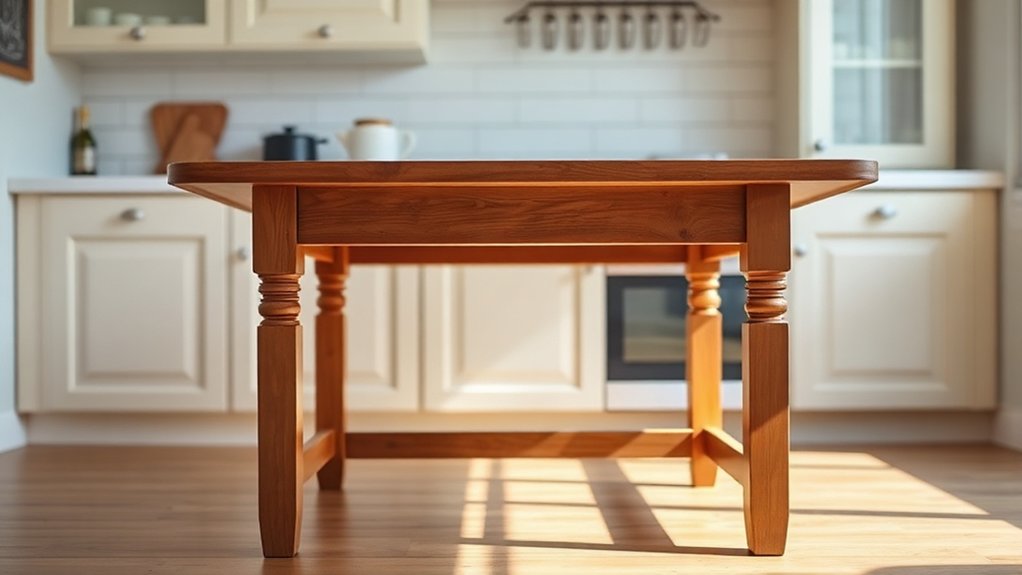
For everyday dining, a standard kitchen table is usually about 28 to 30 inches high, which works well with most dining chairs and gives you a comfortable place to eat without feeling cramped. You’ll usually find this height lets your knees fit easily underneath while keeping your elbows at a natural level for meals, homework, or casual conversation.
A standard kitchen table is usually 28 to 30 inches high, offering comfortable everyday dining.
If you choose a table in this range, you can sit upright without hunching or reaching awkwardly across the surface. That makes daily use feel relaxed and practical.
When you’re planning two word discussion ideas for your space, focus on comfort and fit, not style alone. The subtopic irrelevant point is simple: the right height matters more than trendy details when you want your table to serve everyday dining well.
Measure your chairs, check your seating posture, and you’ll know whether the table feels right for your routine.
Kitchen Table Height vs. Dining Table Height
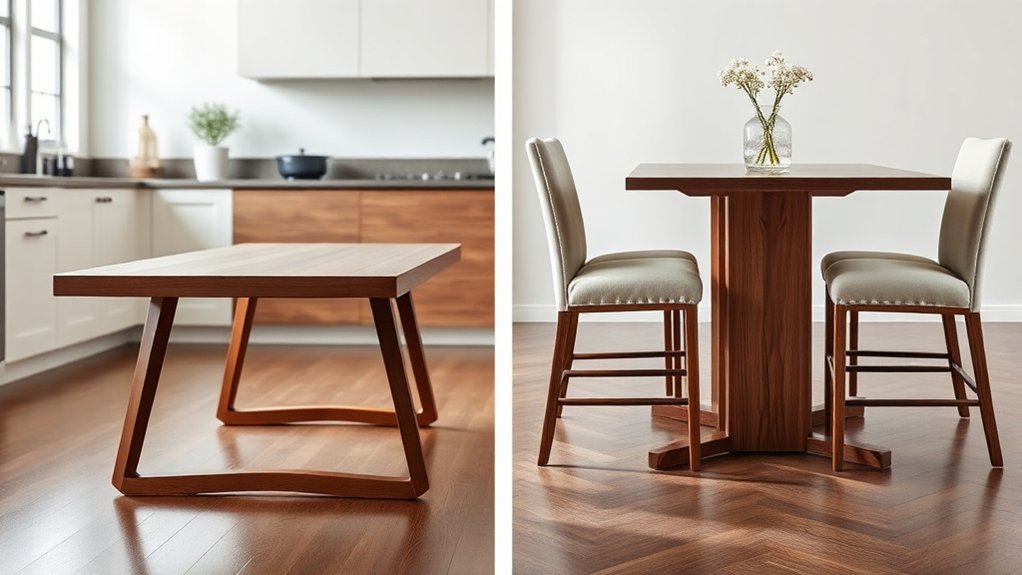
Kitchen tables are often a little higher or more casual in style than standard dining tables, which can affect how comfortable they feel and how you use them. When comparing the two, consider the height difference and what it means for seating, legroom, and everyday meals. The right choice depends on your space and how you plan to use the table.
Standard Height Differences
When you compare kitchen table height with dining table height, the main difference usually comes down to style and comfort. Kitchen tables often sit a bit lower or match casual seating, while dining tables usually follow a more formal standard.
You’ll notice the gap most in everyday use, especially if your room feels crowded or open. Table materials can also affect how the height looks, and color contrast may make one piece seem taller than another.
| Table type | Typical height |
|---|---|
| Kitchen table | 28–30 in |
| Dining table | 29–31 in |
| Counter-height | 34–36 in |
| Bar-height | 40–42 in |
These ranges help you spot the standard difference fast without overthinking it.
Choosing the Right Table
Choosing between a kitchen table and a dining table starts with how you use the space. If you eat quick meals, prep ingredients, or need a casual spot for homework, a kitchen table usually fits better. It’s often a little taller, so you can stand up and sit down easily.
If you host longer dinners or want a more formal look, a dining table may suit you better. Focus on table ergonomics, because the right height keeps your elbows comfortable and your posture relaxed.
Also think about material durability, especially if you’ll use the table daily. Choose finishes and construction that handle spills, scratches, and heat. The best table matches your routine, your room, and your comfort.
Counter-Height Kitchen Tables Explained
Counter-height kitchen tables usually stand around 34 to 36 inches tall, which lines up with standard kitchen counters and gives your dining area a casual, practical feel.
You’ll often find these tables in open kitchens, breakfast nooks, and multipurpose spaces where you want easy conversation and a relaxed look. Their higher profile can make a room feel less formal while still offering enough surface height for eating, working, or serving.
If you like clean slab aesthetics, this style can fit right in, especially with thick tops and simple bases. You should also check leg clearance, since stools or chairs need room to slide in comfortably.
Pair the table with counter-height seating, and you’ll create a balanced setup that feels sturdy and efficient. These tables work well when you want everyday convenience without making the space feel oversized or stiff.
Bar-Height Kitchen Tables Explained
Bar-height kitchen tables usually stand about 40 to 42 inches tall, making them noticeably higher than standard dining tables. For a comfortable fit, choose stools with seats around 28 to 30 inches high. Most bar-height tables also come in common sizes, so they’re a practical choice for casual meals, drinks, and gathering.
Standard Bar Height
At standard bar height, a kitchen table usually measures about 40 to 42 inches tall, making it noticeably higher than a typical dining table. You’ll find this height works well when you want a casual, social feel in your kitchen or dining area.
It can also support efficient height ergonomics because you stand or sit a bit more upright, which many people find comfortable for quick meals, drinks, or conversation.
In space planning, bar-height tables help define a zone without heavy visual bulk, so they’re useful in open layouts or compact rooms. You can pair them with a peninsula, island, or dedicated nook to create a polished look.
Just make sure the table’s proportions suit your room, so the setup feels balanced and easy to move around.
Best Stool Height
Once you’ve chosen a bar-height kitchen table, the next step is picking stools that match it well. You’ll usually want a stool height that leaves about 10 to 12 inches between the seat and the tabletop. That gap supports seating ergonomics, so you can sit comfortably without hunching or raising your shoulders. Measure your table first, then compare it with seat height before you buy.
- A sleek stool tucked under a glossy counter
- Your knees resting naturally beneath the edge
- Feet landing on a sturdy footrest
- A relaxed posture during breakfast or drinks
- Easy movement when you slide in and out
If your stool feels too high or low, your table won’t invite long, comfortable meals.
Common Table Dimensions
So, how tall is a bar-height kitchen table? You’ll usually find it at 40 to 42 inches high, which pairs with 28- to 30-inch stools and creates a casual, elevated dining zone. This height works well if you want a relaxed setup for drinks, snacks, or quick meals.
It also changes table aesthetics, giving your space a taller, more modern profile. When you shop, check the tabletop size too: a round or rectangular surface should leave enough room for elbows, plates, and serving dishes.
Don’t forget materials durability, since bar-height tables often see more leaning and daily use. Solid wood, metal, and quality composites can help your table stay sturdy and look good longer.
How Seat Height Affects Comfort
Seat height plays a big role in how comfortable your kitchen table feels, because it affects how well your legs fit under the tabletop and how easily you can sit upright. When your chair matches the table, you keep a better comfort focus and support seating ergonomics without straining your shoulders or knees. If the seat sits too high, you may feel cramped; if it’s too low, you can hunch forward and lose support.
- Feet resting flat on a warm tile floor
- Knees tucked neatly beneath a smooth wooden edge
- Elbows relaxed beside a steaming mug
- Back straight, shoulders loose, posture steady
- A cozy meal shared without fidgeting
You’ll notice the difference right away when you settle in. The right seat height lets you linger longer, eat more naturally, and enjoy your table as a comfortable everyday gathering spot.
How to Measure Kitchen Table Height
To measure your kitchen table’s height, measure straight up from the floor to the top surface of the table. Don’t measure to the apron or legs.
Most standard kitchen tables are about 28 to 30 inches tall. If the tabletop is especially thick, include its thickness when comparing the table’s height with other tables or chairs.
Standard Table Height
How do you know if a kitchen table is the right height? You’ll usually find standard table height around 28 to 30 inches, which lets you eat, work, and gather comfortably.
When you check yours, picture the top as level with your hips or just below your elbows while you’re seated. That range also supports table maintenance because you can clean surfaces easily, and it helps material durability by reducing strain from awkward use.
- Chairs slide in neatly
- Your knees clear the underside
- Plates sit at a natural reach
- Drinks rest without wobbling
- Guests feel relaxed around the table
If your table fits these scenes, it’s likely close to the standard height you want for everyday kitchen life.
Measuring From Floor
Once you’ve confirmed your table sits in the standard 28- to 30-inch range, measure it from the floor to the top edge of the tabletop. Use a tape measure and keep it straight against the table leg for accurate measuring floor results. This simple check helps you compare your table with other furniture and supports better kitchen ergonomics.
| Step | What You Do | Why It Matters |
|---|---|---|
| 1 | Place the tape at the floor | Starts the measurement correctly |
| 2 | Extend it to the tabletop edge | Captures true height |
| 3 | Record the number | Lets you verify fit |
If the number matches your needs, you’re set. If not, you can decide whether the table suits your seating and workspace.
Account For Thickness
Don’t forget to account for the tabletop’s thickness when you measure kitchen table height, because the overall height includes the top surface, not just the apron or leg frame. Measure from the floor to the highest point, then add any top that sits above the base. Your thickness considerations should reflect the material, from slim laminate to a chunky butcher block.
- A ruler against the tabletop edge
- A tape measure stretched to the floor
- A close view of rounded edge profiles
- A sturdy slab casting a shadow
- Your chairs sliding neatly underneath
If the surface has beveled edge profiles, note them too, since they can change the final reading slightly. This step helps you compare tables accurately and choose one that fits your space.
How to Choose the Right Table Height
To choose the right table height, start by thinking about who’ll use it and how they’ll sit at it most often. If you want a relaxed meal, aim for standard dining height. If you need a more casual feel, try counter height. For standing tasks, a taller surface can help.
Use these two word discussion ideas to narrow your choice: seat comfort, elbow space, and leg clearance. They keep the decision simple.
| Use case | Height | Feeling |
|---|---|---|
| Family meals | 28–30 in. | Cozy |
| Quick snacks | 34–36 in. | Easy |
| Prep work | 36–42 in. | Efficient |
You’ll feel the difference fast when the table fits your posture. A well-matched height lets you eat, talk, and work without awkward stretching or slouching. Trust comfort first, because that’s what makes your kitchen feel welcoming every day.
Match Table Height to Your Kitchen Space
Even the right table height won’t feel right if it fights your kitchen layout. Measure your clearances first, then choose a height that lets you move, pull out chairs, and open drawers without bumping corners.
Measure clearances first so your table height supports easy movement, open drawers, and a kitchen that feels spacious.
Good space planning keeps the table from swallowing the room or blocking a traffic path. In a narrow kitchen, a slightly smaller table can feel lighter and easier to use.
In an open plan, you can let the table anchor the eating zone without crowding nearby counters.
- A tabletop floating beside a sunlit window
- Chairs sliding out with a soft scrape
- A narrow walkway that stays open
- Legs tucked neatly under the edge
- Stools matching the counter with proper stool ergonomics
You should also think about how the table sits beside islands, prep zones, and seats. When the height fits the room, your kitchen feels calmer, cleaner, and more inviting every day.
Best Kitchen Table Heights for Different Households
What table height works best for your household depends on how you eat, who uses the table, and how often it doubles as a workspace. For most families, a standard 28- to 30-inch table gives you comfortable dining and room for ergonomic seating with most chairs.
If you host kids often, choose a height that lets their feet rest on the floor or use booster seats, so meals stay stable. For small apartments or casual households, a counter-height table at 34 to 36 inches can save space and support quick meals, prep, and laptop use.
If you need flexible entertaining, consider an adjustable table so you can switch between dining and standing tasks without disrupting kitchen flow. Match the height to your chairs first, then test legroom, posture, and how easily everyone can slide in and out.
The best choice is the one that fits your daily habits, not just your room size.
Frequently Asked Questions
Can Kitchen Tables Have Adjustable Heights?
Yes, you can buy kitchen tables with adjustable heights, and they’re handy if you want more flexibility. You’ll find models with telescoping kitchen table legs, crank systems, or removable extensions that let you raise or lower the surface. You can use them for dining, homework, or prep work. Just make sure the mechanism feels sturdy, locks securely, and matches your room’s style so you get comfort and stability every day.
What Materials Are Best for Kitchen Table Legs?
You’ll find that solid hardwood, steel, and powder-coated metal are the best materials for kitchen table legs. If you’ve heard that heavier legs always mean better support, that’s only partly true; design and joinery matter too.
When you compare materials options, think about durability considerations, moisture resistance, and maintenance. Wood feels warm and classic, while metal gives you strength and stability. Choose what fits your style and daily use.
How Much Clearance Should Chairs Have Under the Table?
You should leave about 10 to 12 inches of clearance between the chair seat and the table underside, and enough chair leg clearance for easy movement. That gives you better clearance ergonomics, so you can sit comfortably without bumping your knees. If your chairs have arms, make sure they slide fully under the table. Always test the fit in person, since table aprons and chair height can change the ideal space.
Are Round Kitchen Tables Better for Small Spaces?
Yes, round tables can be a better fit for your snug little setup. You’ll often get smoother traffic flow because a circular footprint softens sharp corners and keeps knees from bumping into edges.
A round space can also feel more open, since you can squeeze in extra chairs more easily. If you’ve got a cozy dining nook, you’ll likely enjoy the roomier feel a round table gives without hogging floor area.
Do Kitchen Table Heights Affect Room Accessibility?
Yes, kitchen table heights can affect room accessibility. You’ll move more easily when the table supports clear legroom, comfortable reach, and safe circulation.
Choosing an adjustable height table helps you adapt the space for wheelchairs, walkers, or different users. You should also follow accessibility principles, like enough clearance and easy entry, so everyone can sit, stand, and move around the room without strain or obstacles.
Conclusion
Choosing the right kitchen table height helps you make every meal feel comfortable and easy. You’ve got options, from standard dining height to counter and bar height, so pick what fits your space and routine best.
Measure carefully, then choose a table that matches your chairs and kitchen layout. When you get the balance right, your kitchen feels like the heart of the home. As the saying goes, the proof is in the pudding—and the right kitchen table height can make all the difference.