5 Easy Steps to Get Rid of Gnats in Your Kitchen
Gnats hovering around your kitchen can make it hard to enjoy cooking or even relax at home. You’re not alone—many people struggle to get rid of these persistent pests. These five easy…

Gnats hovering around your kitchen can make it hard to enjoy cooking or even relax at home. You’re not alone—many people struggle to get rid of these persistent pests. These five easy steps to get rid of gnats in your kitchen can help you tackle the problem and keep them from coming back.
First, find where gnats breed by checking fruit bowls, compost, sink edges, damp mats, sponges, and potted herbs. Next, scrub drains, trash cans, and spills with hot, soapy water.
Then remove overripe fruit, open snacks, and food waste right away. Set out simple traps with apple cider vinegar and dish soap near problem spots.
Finally, keep counters dry and food sealed so they don’t come back, and you’ll see what works best next.
Key Takeaways
- Inspect damp, sticky, and forgotten kitchen areas to find gnat breeding spots.
- Check fruit bowls, compost caddies, drains, and moist cupboards for larvae or eggs.
- Scrub drains, disposal, trash bins, and spills with hot, soapy water to remove residue.
- Remove overripe fruit and food waste, and store fresh produce in the fridge when possible.
- Set simple traps with apple cider vinegar or wine near problem spots and replace them regularly.
Locate Gnat Breeding Spots

Start by finding where the gnats are breeding, because that’s the fastest way to stop them. You need to inspect every likely breeding spot in your kitchen, especially anywhere damp, sticky, or forgotten.
Look around fruit bowls, compost caddies, houseplant soil, and produce left out too long. Check sink edges, under mats, and inside cupboards where moisture can linger.
Gnats also use hidden larval habitats in potted herbs, wet sponges, and overflow trays, so lift and examine those areas closely. If you notice tiny flying adults, follow their path and watch where they settle. That clue usually leads you to the source.
Make a quick list of two word discussion ideas like food waste, moist soil, and hidden corners to keep your search organized. Once you identify the breeding spots, you can target them directly and cut off the next generation before it spreads.
Clean Drains, Trash, and Spills

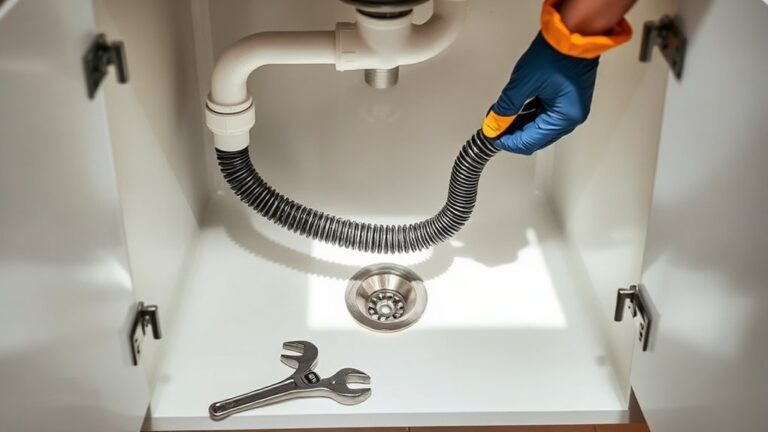
Once you’ve found the source, clear out anything that’s feeding the gnats. Start with clean drains: scrub the sink drain, disposal, and overflow holes with a stiff brush and hot, soapy water. Flush the area after you finish so sticky residue doesn’t stay behind.
Next, empty your trash often and wipe the bin, lid, and surrounding floor. If you notice trash spills, clean them right away, especially any wet scraps that can attract gnats fast.
Don’t let crumbs or liquids sit on counters, under appliances, or in corners. Use a paper towel or sponge to remove messes, then sanitize the spot. Check pet-food areas, too, since tiny bits can also draw pests.
While you’re tidying, remove overripe fruit from the counter and toss any spoiled produce. Also, get rid of exposed food waste in a sealed bag or compost container.
Keeping these areas dry and clean cuts off the gnats’ food source and helps them disappear quickly.
Remove Overripe Fruit and Food Waste
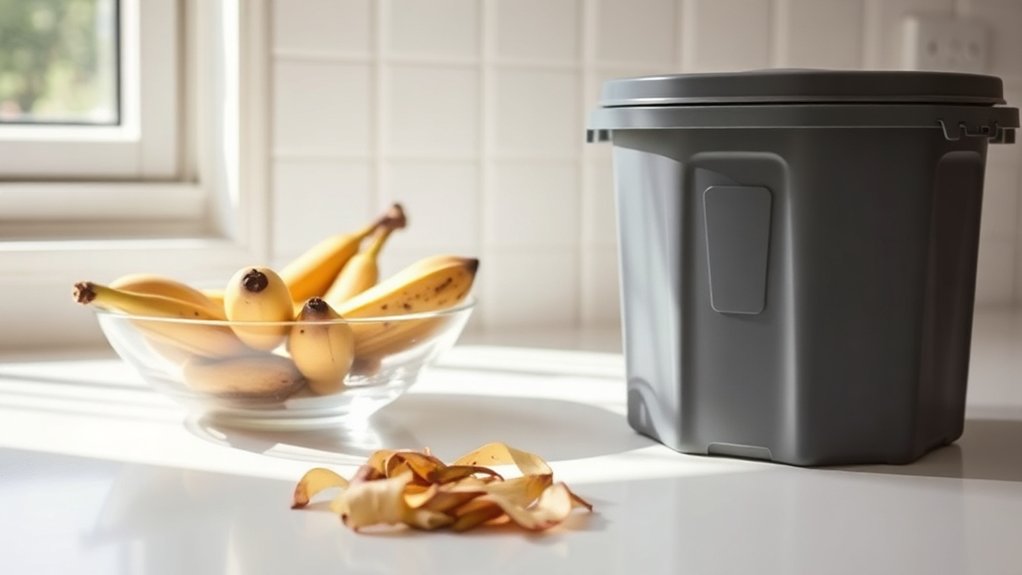
Check your fruit bowl and pantry for anything overripe, bruised, or rotting, and toss it right away. Gnats love overripe fruit, so don’t leave bananas, peaches, or tomatoes sitting out once they’ve started to soften or leak.
Move fresh produce to the fridge when you can, and keep counters clear of forgotten snacks, bread, and open packages. If you buy more than you’ll use, portion it early so you don’t create food waste that attracts pests.
Empty compost containers often, and seal any scraps in a bag before you carry them out. Wipe sticky spots from jars, cutting boards, and shelves, since even small bits of juice or pulp can keep gnats coming back.
Check beneath appliances and inside drawers for hidden crumbs or spoiled produce, too. When you remove every source of food, you make your kitchen far less inviting and cut off one of the main reasons gnats multiply.
Set Up Simple Gnat Traps
A few simple traps can help catch the gnats already buzzing around your kitchen. Mix apple cider vinegar with a drop of dish soap in a small bowl, then cover it with plastic wrap and poke tiny holes in the top. The scent pulls gnats in, and the soap keeps them from escaping.
A simple vinegar trap with a drop of soap can lure gnats in and keep them from getting out.
You can also set out a paper cone trap over a jar with ripe fruit or vinegar inside. If you want more DIY trap ideas, try a shallow dish of wine or a sticky card near the sink.
Keep each trap close to the trouble spot, such as the trash can, fruit bowl, or drain. Good gnat trap design focuses on scent, access, and a way out that they can’t find.
Check traps daily and replace the liquid when it gets cloudy or crowded with insects. With a few well-placed traps, you’ll reduce the swarm fast and notice your kitchen feel calmer soon.
Prevent Gnats From Coming Back
To keep gnats from coming back, cut off the things they’re drawn to in the first place. You can stop the cycle by keeping your kitchen dry, clean, and sealed. Wipe counters after every meal, empty trash before it overflows, and rinse produce as soon as you bring it home.
If you spot a spill, handle it right away. Use these habits as your core defense:
- Empty sink strainers and scrub drains often.
- Store ripe fruit in the fridge or covered bowls.
- Check damp towels, mop buckets, and houseplants for hidden moisture.
Idea one: reduce food scraps. Idea two: remove standing water. Those two moves make your kitchen far less inviting.
You should also seal cracks around windows, keep screens intact, and fix leaks fast. When you stay consistent, you break the breeding cycle and make your kitchen a place gnats can’t settle in again.
Frequently Asked Questions
Can Gnats Damage Kitchen Appliances?
Yes, gnats can damage kitchen appliances if you let them breed inside or around them, but they usually cause more nuisance than harm. You’ll notice gnat activity near drains, vents, or food residue, and they can clog small openings in kitchen appliances.
Gnats don’t bite, but they can still spread germs indoors. Clean spills, empty trash, and dry surfaces to protect your appliances and keep gnats away.
Do Gnats Bite Humans Indoors?
Usually, you won’t get bitten by gnats indoors, but some species can. Gnat bites indoors are uncommon, and the risk is usually low unless you’re dealing with biting midges or fungus gnats attracted to damp areas. You might notice tiny, itchy welts if they do bite.
Keep your space dry and clean up food waste to lower the chance of bites and help stop gnats from hanging around.
How Long Do Gnats Live Inside a Kitchen?
You’ll usually see gnats live inside your kitchen for about one to four weeks, depending on species, food, moisture, and temperature. Their indoor life cycle can speed up fast, so eggs hatch, larvae feed, and adults emerge quickly if you leave crumbs or damp drains around.
If you remove breeding spots and clean regularly, you can shorten how long gnats live and keep new ones from returning.
Are Fruit Flies the Same as Gnats?
No, you’re not looking at the same pest. Are fruit flies and gnats the same? Usually not. You’ll notice differences between fruit flies and gnats in shape, color, and habits. Fruit flies hover near ripe fruit and drains, while gnats often gather in soil or damp spots. You can spot them by their slower, steadier flight versus the fruit fly’s quick, darting buzz around food.
Can Houseplants Attract Gnats Into Kitchens?
Yes, your houseplants can attract kitchen gnats, especially if you overwater them or let soil stay damp. You’ll notice tiny flies hovering near pots, and they often breed in moist potting mix.
To cut down on kitchen gnats, let the top inch of soil dry out, empty drip trays, and remove decaying leaves. You can also use sticky traps and improve drainage so you don’t invite more pests.
Conclusion
By now, you’ve cleared the breeding spots, cleaned the drains, and tossed the overripe fruit, so your kitchen can start feeling like a room in spring after a long, gloomy winter. Set those simple traps and keep up the habit of wiping spills and sealing food, and the gnats will fade like shadows at dawn.
With a little care, you’ll keep your kitchen fresh, calm, and ready for meals, not winged intruders. These steps can help you get rid of gnats in your kitchen and keep them from coming back.