How to Measure a Kitchen Sink in 5 Easy Steps
Choosing a replacement kitchen sink can be frustrating when you’re unsure whether it will fit your countertop or cabinet. You’re not alone—many people struggle to get the measurements right. This guide to…

Choosing a replacement kitchen sink can be frustrating when you’re unsure whether it will fit your countertop or cabinet. You’re not alone—many people struggle to get the measurements right. This guide to how to measure a kitchen sink in 5 easy steps will help you find the right fit and avoid costly installation surprises.
To measure a kitchen sink in 5 easy steps, grab a tape measure, pencil, flashlight, and notepad. Measure the sink’s exterior length, width, and depth, including the rim or flange. Then check the countertop cutout and cabinet space for clearance. Next, count faucet holes and measure drain placement. Finally, compare all measurements with the replacement sink’s specs to ensure a proper fit. With a few more tips, you’ll avoid costly installation surprises.
Key Takeaways
- Gather a tape measure, pencil, flashlight, and notepad before starting.
- Measure the sink’s exterior length, width, and depth from rim to basin bottom.
- Measure the countertop cutout and cabinet space for proper fit and clearance.
- Check faucet hole count, spacing, and drain placement for compatibility.
- Compare all measurements to the replacement sink’s specifications before buying.
What Tools Do You Need?

Before you start measuring, grab a tape measure, a pencil, and a notepad so you can record each dimension accurately. You’ll also want a flashlight if the cabinet feels dark, plus a smartphone camera to save quick reference shots.
Keep a straightedge or ruler nearby for checking small gaps, and use painter’s tape if you need to mark points without leaving residue. If your sink has unusual edges, a flexible measuring tape can help you follow curves more easily.
Wear gloves if the area is dusty or wet, so you can work comfortably and keep your notes clean. Having these tools ready saves time and helps you avoid mistakes.
For a smoother process, lay everything out before you begin and double-check that your tape measure starts at zero. That simple setup gives you the accuracy you need for the next step.
Measure the Sink’s Exterior Dimensions
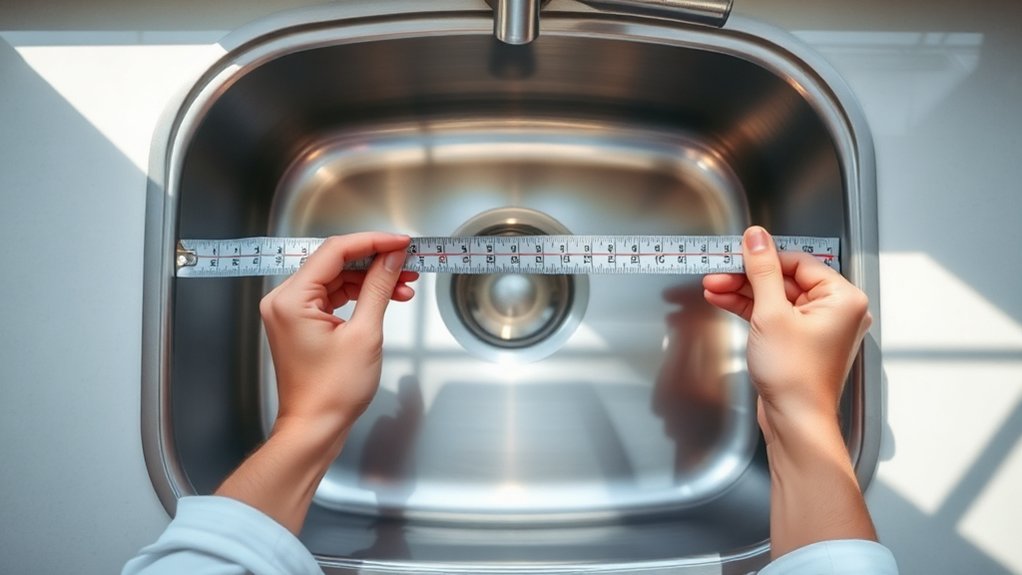
With your tools ready, you can now measure the sink’s outside dimensions so you know the full size of the unit that fits in your counter. Place the sink on a flat surface and measure from the outer edge on one side to the outer edge on the other for the length, then repeat front to back for the width.
For a round basin, measure the widest point across. If the sink has rims, lips, or mounting flanges, include them because they affect the overall footprint. Write down each number in inches, and note whether the sink has equal sides or an offset bowl.
You should also check the depth from the top rim to the bottom of the basin, since that helps you compare models accurately. Use the same method for every sink you review so your results stay consistent. These measurements give you a clear, exact picture of the sink’s exterior size.
Check the Cutout and Cabinet Space

Next, check the cutout and cabinet space so you know whether the sink will fit where it needs to go. Measure the opening in your countertop from edge to edge, then compare it with the sink’s outer rim. You need enough cutout clearance on all sides so the sink drops in without binding or forcing the countertop.
If the old sink is still in place, remove it or trace its outline carefully before you measure. Also check cabinet depth from the front edge to the back wall, since a deeper basin can crowd plumbing or leave too little room for installation.
Make sure the cabinet opening is wide enough for clips, brackets, and any mounting hardware your sink requires. If the sink seems close, recheck your numbers before you buy. A small mistake here can leave you with a sink that won’t sit flush, fit securely, or install cleanly.
Measure Faucet Holes and Drain Placement
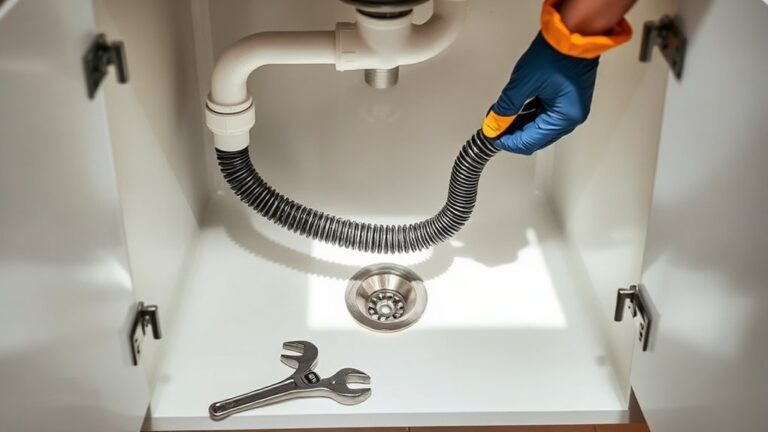
Now check the faucet holes and drain placement so the sink lines up with your plumbing. Measure the faucet holes from center to center and note how many you have: one, two, three, or more.
Check faucet hole spacing and count to ensure your sink matches your plumbing setup.
You’ll want the hole pattern to match your faucet, sprayer, soap dispenser, or air switch. If your sink has a deck plate, confirm it covers the extra openings neatly.
Next, measure the drain placement from the back wall of the sink cutout to the center of the drain opening. Also check side-to-side spacing so the trap and disposal can fit without crowding.
This faucet layout review helps you avoid surprises during installation, while a careful drain alignment check keeps connections simple. Write down every measurement, then compare them with your existing fixtures and plumbing rough-in.
If the holes or drain sit off-center, you may need a different sink style before you buy.
Compare Measurements to Replacement Specs
Compare your measurements to the manufacturer’s replacement specs before you buy, so you know the sink will fit the opening, cabinet, and plumbing. Check the listed length, width, and depth against your notes, then confirm the required cutout size.
Don’t assume a sink with the same nominal size will match your space. Small differences can affect replacement compatibility and create frustrating installation nuances. Review rim style, basin count, and drain location next, because these details can change how the sink seats and connects.
- Match cutout dimensions exactly.
- Verify cabinet clearance under the bowl.
- Compare drain and faucet hole positions.
- Check mounting style and rim thickness.
If the specs show even a slight mismatch, choose a different model or plan for adjustments before you order. You’ll save time, avoid returns, and make the installation smoother from the start.
Frequently Asked Questions
How Do I Know if My Sink Is Single or Double Bowl?
Look into your sink: if you see one uninterrupted basin, you’ve got a single bowl; if you see two separate basins divided by a center wall, it’s a double bowl. For a single bowl vs double bowl check, count the basins and look for the divider.
If you’re also doing an undermount vs top mount comparison, note how the sink sits against the countertop, but that won’t change bowl count.
What’s the Best Time to Replace a Kitchen Sink?
You’ll know it’s time to replace your kitchen sink when leaks, rust, chips, or stubborn stains turn daily washing into a tiny endurance sport. The best time is before damage spreads or a remodel forces your hand, because nothing says “modern home” like a sink plotting against you.
Replace it when repairs keep stacking up, or when you want a fresh look and better function.
Can I Measure a Sink Without Removing It?
Yes, you can measure a sink without removing it if you use careful measuring without removal and good under sink accessibility. You’ll need a tape measure, and you should record the length, width, and depth from the top opening and below the rim.
Check cabinet space, faucet clearance, and drain location too. If your under sink area is cramped, take photos and measure twice so you don’t miss anything.
How Do Sink Materials Affect Maintenance?
Sink materials affect maintenance because each one handles stains, scratches, and heat differently. You’ll spend less time cleaning a durable stainless steel sink, while cast iron or composite sinks may need gentler care to protect the finish. Your materials maintenance routine should match the sink’s durability factors, so you avoid damage and keep it looking new. Choose the right cleaner, wipe spills quickly, and follow the maker’s care tips.
What Style of Sink Fits a Modern Kitchen?
You’ll want a sleek undermount or apron-front sink for a modern kitchen. These choices support modern styling and fit current design trends, especially when you pair them with stainless options or matte finishes.
You should also match the sink to your kitchen sizing so it feels balanced and practical. Go for clean lines, minimal edges, and a single deep bowl if you want a look that feels fresh, functional, and contemporary.
Conclusion
Now that you know how to measure a kitchen sink, you can shop with confidence and avoid costly surprises. Grab your tape measure, check every dimension, and compare them to the replacement specs before you buy.
I once helped a friend replace a sink that was just 1/2 inch too wide. That tiny gap stopped the whole project. Like fitting the last puzzle piece, precise measurements make everything else click into place.