5 Reasons Kitchen Cabinets Should Go to the Ceiling
Many homeowners want a kitchen that feels more spacious and polished, but cluttered counters and unused space above the cabinets can get in the way. If you’re struggling with the same issues,…

Many homeowners want a kitchen that feels more spacious and polished, but cluttered counters and unused space above the cabinets can get in the way. If you’re struggling with the same issues, you’re not alone.
Kitchen cabinets that go to the ceiling can help solve them while giving your kitchen a more finished look.
Kitchen cabinets that go to the ceiling make your kitchen look cleaner, taller, and more polished. You also gain extra storage for items you don’t use every day, so your counters stay clearer.
With no awkward gap above the uppers, the room feels more built-in and balanced. You’ll also cut down on dust and make cleaning easier.
Best of all, this design creates a more refined, custom look that you’ll want to explore further.
Key Takeaways
- Ceiling-height cabinets create a cleaner, more polished kitchen with a taller, more cohesive look.
- They add valuable storage by using the full wall space for items you do not need every day.
- Extending cabinets to the ceiling eliminates awkward gaps and gives the kitchen a built-in appearance.
- Fewer gaps mean less dust buildup and easier, faster cleaning.
- Full-height cabinets improve design balance by making the kitchen feel more intentional and finished.
The Main Benefits of Ceiling-Height Cabinets

Ceiling-height cabinets give your kitchen a cleaner, more polished look while maximizing every inch of storage. You’ll notice how they draw the eye upward, making the room feel taller and more intentional.
That uninterrupted vertical line supports visual harmony, so your cabinetry reads as one cohesive feature instead of a broken series of boxes. You also gain stronger storage efficiency because you use space that often sits idle near the ceiling.
This design choice helps you keep everyday items organized while reducing clutter on countertops and open shelves. You won’t need extra decorative fillers to bridge the gap above the cabinets, which keeps the overall design crisp.
If you want a kitchen that feels tailored, streamlined, and complete, ceiling-height cabinets deliver a practical upgrade with a refined finish. They make your space look custom without sacrificing function or style.
More Storage Without Wasting Space

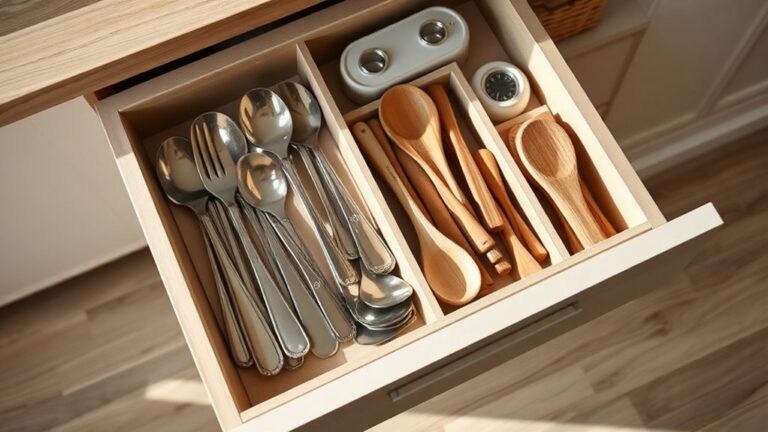
When you take cabinets all the way up, you turn that upper wall area into useful storage instead of letting it collect dust. You gain extra room for items you don’t use every day, like holiday platters, bulk groceries, or backup appliances.
That boosts storage efficiency because you’re using the full height of the room instead of reserving empty space above the cabinets. You also keep counters clearer, since more of your kitchen supplies can live behind closed doors.
Full-height cabinets maximize storage and keep countertops clear by putting more supplies behind closed doors.
With the right layout, vertical accessibility stays manageable: you can place daily items lower and seasonal items higher, so everything has a logical spot. This setup helps your kitchen work harder without expanding its footprint.
Instead of adding more floor cabinets or cluttering shelves, you make the wall space do the job. In a small kitchen, that difference can feel huge.
A Cleaner Look With Fewer Gaps

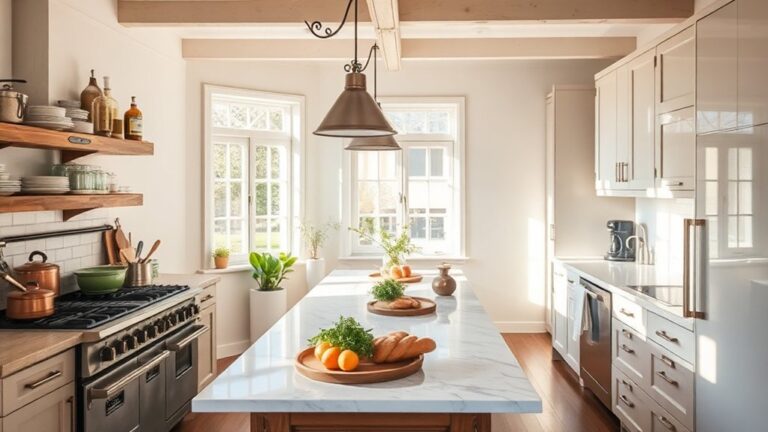
A full-height cabinet run gives your kitchen a more finished, built-in look because it removes the awkward gap above the uppers. You get cleaner lines, stronger visual balance, and a space that feels intentionally designed rather than pieced together.
This simple change can have a major aesthetics impact, especially in smaller kitchens where every vertical inch counts. Instead of stopping short and leaving the ceiling to draw attention, your cabinets create one continuous plane that feels calm and cohesive.
You also avoid the cluttered appearance that open space can create between cabinetry and trim. If you’re concerned about accessibility challenges, you can still plan lower storage zones for daily use while reserving the highest sections for occasional items.
That way, you keep the polished look without sacrificing practicality. The result is a kitchen that feels streamlined, custom, and visually complete.
Less Dust and Easier Cleaning
With cabinets that reach the ceiling, you eliminate the dust-catching ledge that often collects grease and debris above standard uppers. That means you spend less time wiping hard-to-reach spots and more time on tasks that actually matter.
Because there’s no open space above the cabinets, you improve dust control and keep airborne grime from settling where you can’t easily see it. You also avoid the awkward stretch, step stool, and extra tools needed to clean a gap that keeps getting dirty again.
Instead, one quick pass with a cloth, duster, or vacuum attachment can handle the full cabinet surface. This boosts cleaning ease in a way you’ll notice every week, especially in busy kitchens where cooking residue builds fast.
Fewer hidden surfaces also mean less buildup over time, so your cabinets stay looking fresh with less effort.
How Ceiling Cabinets Improve Kitchen Design
Beyond easier cleaning, ceiling-height cabinets also make your kitchen look more polished and intentional. You turn vertical space into a design asset, so the room feels taller and more balanced. When your cabinets reach the ceiling, you eliminate the awkward gap that can interrupt sightlines and make the layout feel unfinished.
That simple choice strengthens space planning because you use every inch with purpose, whether you need extra storage or a cleaner visual frame.
You also improve color cohesion. By extending cabinet fronts upward, you create a stronger block of color that ties the upper and lower zones together. If you choose a finish that matches your trim, backsplash, or island accents, you can make the whole kitchen feel coordinated without adding visual clutter.
The result is a space that looks custom, streamlined, and thoughtfully designed. Cabinetry that reaches the ceiling gives your kitchen a more refined architectural presence overall.
Frequently Asked Questions
How Much Do Ceiling-Height Cabinets Typically Cost?
Ceiling-height cabinets typically cost you about 10% to 25% more than standard cabinets, though custom designs can raise the price further. You’ll pay for extra materials, taller doors, and sometimes crown molding or filler panels. Installation considerations also matter, since your ceiling height and trim details can change labor costs. These storage solutions often run from a few hundred to several thousand dollars more, depending on your kitchen size and finishes.
Are Ceiling Cabinets Harder to Install in Older Homes?
Yes, you’ll usually find ceiling cabinets harder to install in older homes, like fitting a key into a weathered lock. You may run into uneven ceilings, out-of-square walls, and hidden surprises behind plaster or drywall.
Ceiling height installation often takes extra measuring, shimming, and custom trim to bridge those gaps. Older home challenges can slow the job, but a skilled installer can handle them and still give you a polished finish.
Can Short People Reach the Top Cabinet Shelves?
Yes, you can, but it depends on your short reach feasibility and the height vs storage efficiency tradeoff. You’ll likely reach top cabinet shelves for light, rarely used items if you’re comfortable stretching slightly. If not, you can use a step stool or pull-down shelf to make access easy. You’ll still gain extra storage without wasting vertical space, so taller cabinets can work well for you.
What Materials Work Best for Tall Kitchen Cabinets?
You’ll want plywood or high-quality MDF for tall kitchen cabinets because they balance strength, moisture resistance, and cost. Solid wood works well too, but it can move with humidity. Prioritize materials durability so your cabinets stay sturdy overhead.
During installation spacing, make sure framing and fillers align cleanly to support the full height. You can also use maple or birch for a polished look and dependable long-term performance.
Do Ceiling Cabinets Affect Kitchen Lighting Options?
Yes, they can change your lighting choices, and you’ll notice it fast. In kitchens, 74% of homeowners say layered lighting matters most, so tall cabinets can affect how you plan it. You’ll need to account for ceiling lighting impact, especially if cabinets reach high or block fixtures. You should also think about cabinet height accessibility, because taller storage can limit where you place task lights, pendants, and under-cabinet illumination.
Conclusion
When you take your kitchen cabinets to the ceiling, you’re not just adding storage—you’re giving your kitchen a lift. You’ll use every inch like a skilled captain trimming wasted space from the sails, while your room looks cleaner, taller, and more polished.
No more dusty ledges lurking overhead. Instead, your kitchen feels sleek and complete, like a puzzle snapped into place. It’s a small change that can make your whole kitchen shine, and it’s one reason kitchen cabinets should go to the ceiling.