How to Plan a Kitchen Remodel in 5 Simple Steps
Planning a kitchen remodel can feel overwhelming, especially when you’re trying to balance costs, choices, and everyday life. You’re not alone—many homeowners struggle to know where to start. These five simple steps…

Planning a kitchen remodel can feel overwhelming, especially when you’re trying to balance costs, choices, and everyday life. You’re not alone—many homeowners struggle to know where to start. These five simple steps to plan a kitchen remodel can help you build a clear plan and choose the right products for your space.
Plan your kitchen remodel in five simple steps: set a realistic budget, measure your space carefully, choose durable materials and energy-efficient appliances, hire a remodeling team you trust, and map out a timeline that accounts for delays. Separate must-haves from nice-to-haves, verify your layout, and compare bids before you commit.
Also, build in a contingency fund and prep a temporary kitchen so surprises don’t derail you. Keep going, and you’ll get a clearer plan.
Key Takeaways
- Set a realistic budget, separate must-haves from nice-to-haves, and include a contingency fund for surprises.
- Measure your kitchen carefully, note plumbing and electrical locations, and sketch layouts that improve workflow.
- Choose durable materials, fixtures, and energy-efficient appliances that fit your style and maintenance needs.
- Hire experienced, licensed contractors with strong reviews, and compare detailed bids before deciding.
- Create a remodel timeline, prepare for disruptions, and set up a temporary kitchen during the project.
Set Your Kitchen Remodel Budget

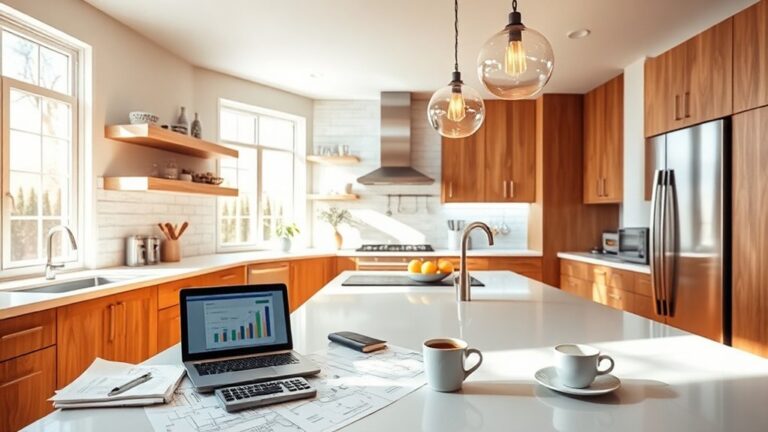
Before you pick finishes or hire a contractor, set a clear budget for your kitchen remodel. Decide how much you can spend without straining your finances, and separate your must-haves from your nice-to-haves.
Set a clear budget first, then distinguish your must-haves from your nice-to-haves before the remodel begins.
Research typical costs for cabinets, appliances, labor, and permits so you can build a realistic target. Then add a contingency fund for surprises, because older homes often hide expensive issues.
If your savings won’t cover the full project, review financing options early. Compare personal loans, home equity products, and credit offers, and weigh interest rates, fees, and repayment terms carefully.
Keep your budget flexible, but respect your budget constraints so you don’t overcommit. Track every estimate and quote in one place, and adjust your plan when numbers change.
A disciplined budget helps you make smarter choices, avoid stress, and keep your remodel moving forward with confidence.
Measure Your Kitchen and Plan The Layout

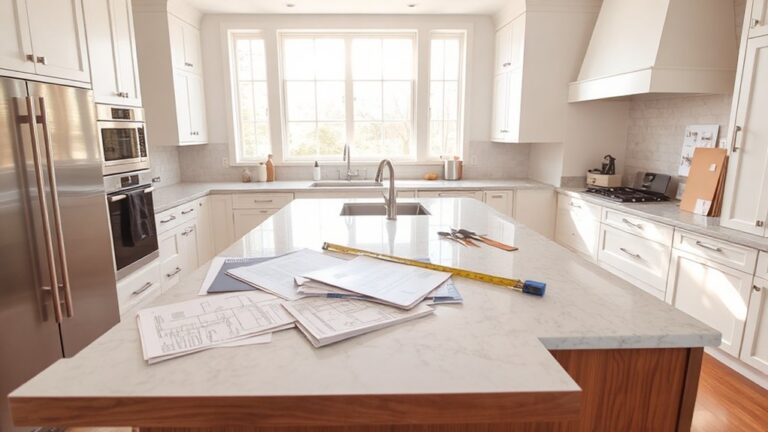
Now that your budget is set, measure your kitchen carefully and map out how the space needs to work. Record wall lengths, ceiling height, window and door placements, and the locations of plumbing, outlets, and vents.
Accurate measurements help you avoid costly surprises later and compare options with confidence. Then sketch a few arrangements that improve flow and create clear work zones.
- Mark every fixed feature on graph paper.
- Measure twice, then verify critical dimensions.
- Note swing clearance for doors and drawers.
- Keep pathways wide enough for easy movement.
- Test how your sink, stove, and fridge relate.
As you review each plan, think about how you cook, clean, and store groceries. Choose the layout that feels efficient, comfortable, and realistic for your home.
Choose Durable Materials, Fixtures, and Appliances
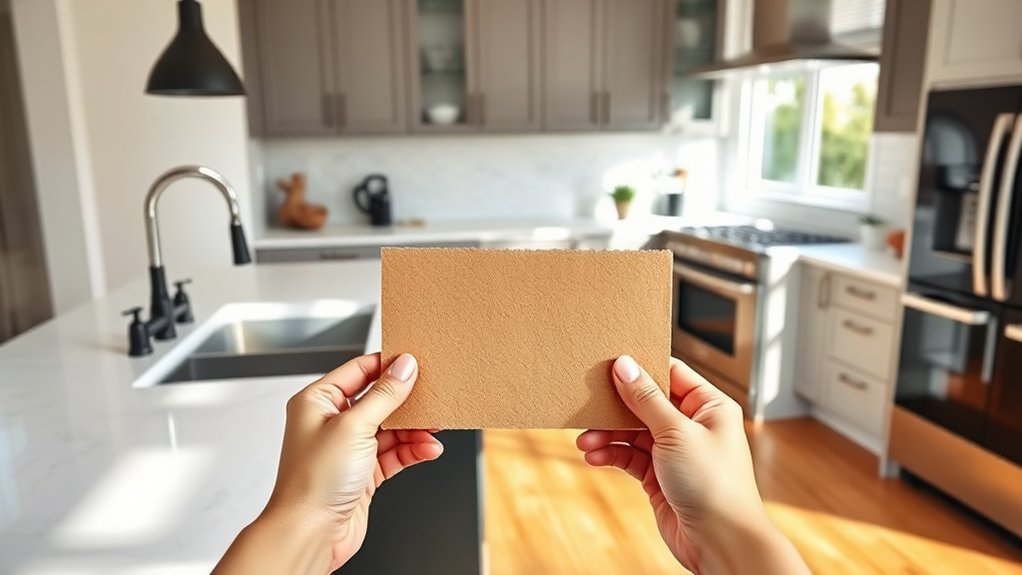
With your layout in place, you can start choosing materials, fixtures, and appliances that fit your budget and stand up to daily use.
Focus on durable countertops like quartz, granite, or solid surface if you want easy cleanup and fewer repairs. Pick sturdy flooring that handles spills, heavy foot traffic, and dropped pans, such as tile, luxury vinyl, or sealed wood.
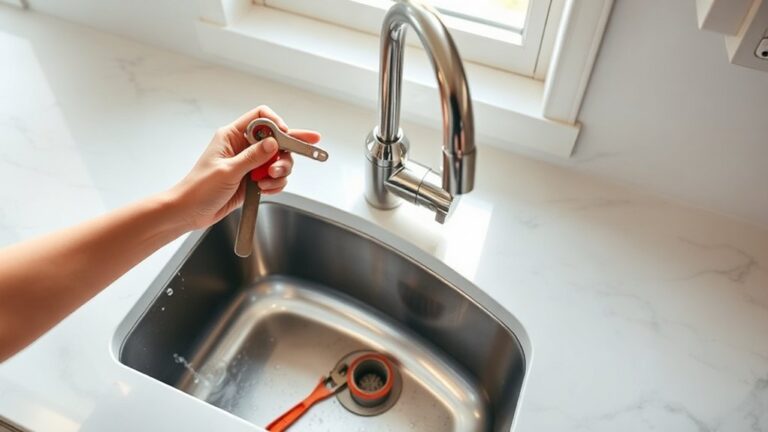
For sinks, faucets, and cabinet hardware, choose long lasting fixtures with finishes that resist wear and stains. Upgrade to energy efficient appliances so you can cut utility costs while improving performance.
Check sizes, finishes, and maintenance needs before you buy, and make sure every choice works together visually. When you compare options, think about how often you cook, clean, and entertain.
The best selections should match your routine, last for years, and make your kitchen feel more comfortable, practical, and polished overall.
Find The Right Kitchen Remodeling Team
Finding the right kitchen remodeling team can make or break your project, so start by looking for professionals with solid experience, strong reviews, and a portfolio that matches your style. Ask for referrals, check licenses and insurance, and narrow your list to contractors who communicate clearly and listen to your goals.
When finding contractors, compare more than price; look at craftsmanship, timelines, and how well they explain the scope. During evaluating bids, make sure each estimate covers the same materials, labor, and allowances so you can compare apples to apples.
- Review past kitchen projects
- Read recent client feedback
- Confirm licenses and insurance
- Ask detailed questions
- Compare bid line items
You’ll get better results when you choose a team that feels trustworthy, organized, and responsive. A strong contractor helps you avoid surprises and keeps your remodel moving in the right direction.
Plan The Remodel Timeline and Prepare For Disruption
Once you’ve chosen your kitchen remodeling team, map out a realistic timeline so you know what to expect at each stage. Ask for a start date, key milestones, and likely delays, then build in extra time for permits, material backorders, and inspections.
This helps you avoid budgeting pitfalls and keeps stress in check. Plan for disruption mitigation by setting up a temporary kitchen, packing essentials, and moving fragile items out of the work zone. Tell your family when noise, dust, and water shutoffs may happen.
| Stage | Typical Time | Your Prep |
|---|---|---|
| Demo | 1–3 days | Clear cabinets |
| Rough-in | 1–2 weeks | Expect utility cuts |
| Installation | 2–4 weeks | Protect nearby rooms |
| Finishing | 1 week | Review punch list |
Stay flexible, check progress weekly, and adjust quickly when issues arise.
Frequently Asked Questions
How Do I Choose a Kitchen Style That Matches My Home?
Choose a kitchen style that matches your home by echoing its architecture, finishes, and scale. If your house is traditional, lean toward classic cabinets and warm details; if it’s modern, use clean lines and simple hardware.
You’ll want style consistency with adjoining rooms, and smart material pairing so counters, flooring, and backsplashes feel connected. Pull colors from existing trim, floors, or stone to make everything look intentional.
What Permits Are Needed for a Kitchen Remodel?
You usually need building, electrical, plumbing, and sometimes mechanical permits for a kitchen remodel. Permit requirements depend on your city, the project scope, and local codes. If you move walls, change wiring, or alter gas lines, you’ll likely need approval.
Check with your building department early so you stay on track with regulatory compliance. Like a roadmap, permits help you avoid costly detours and keep your remodel legal.
How Can I Improve Kitchen Lighting During Remodeling?
You can improve kitchen lighting by combining bright ambient light with focused task zones. Design lighting layers with recessed or ceiling mounted options, then add under-cabinet lights where you chop and cook.
Choose dimmers so you can adjust the mood, and select energy efficient fixtures to cut bills. To improve task lighting, place pendants over islands and ensure countertops stay shadow-free.
Use warm, glare-free bulbs for comfort and clarity.
What Color Scheme Works Best for a Small Kitchen?
A small kitchen works best with light, cohesive colors that open up the space. You’ll usually get the most from whites, soft grays, pale blues, or warm creams, since color psychology makes these shades feel airy and calm. Keep your color coordination simple by pairing one main neutral with one accent color. You can also use glossy finishes and matching hardware to reflect light and make the room feel larger.
How Do I Add Storage Solutions to My New Kitchen?
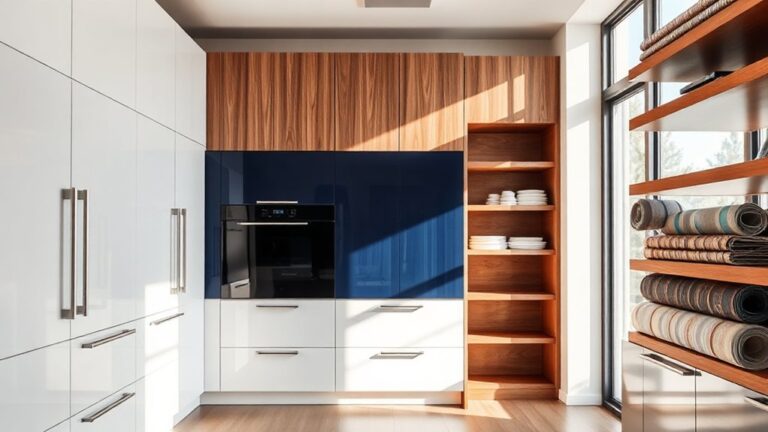
You can add storage solutions by using tall cabinets, pull-out drawers, corner organizers, and open shelving. Choose budget friendly layouts that place items where you use them most, like utensils near prep areas and pots near the stove.
You’ll save space with deep drawers, toe-kick storage, and a pantry cabinet. Add hooks, racks, and dividers to keep everything tidy and easy to reach without crowding your kitchen.
Conclusion
A kitchen remodel can feel overwhelming, but when you break it into five clear steps, you stay in control. Start with a realistic budget, then measure carefully and plan a layout that works. Choose materials and appliances that can handle daily life, hire a team you trust, and map out your timeline before the dust starts flying. By planning ahead, you’ll create a kitchen that looks great and works even better for years to come. Follow these five steps to plan a kitchen remodel that works for your home and your daily life.