How to Snake a Kitchen Drain in 10 Easy Steps
A clogged kitchen drain can turn meal prep and cleanup into a frustrating mess. If you’re struggling to clear a stubborn blockage, you’re not alone. Learning how to snake a kitchen drain…
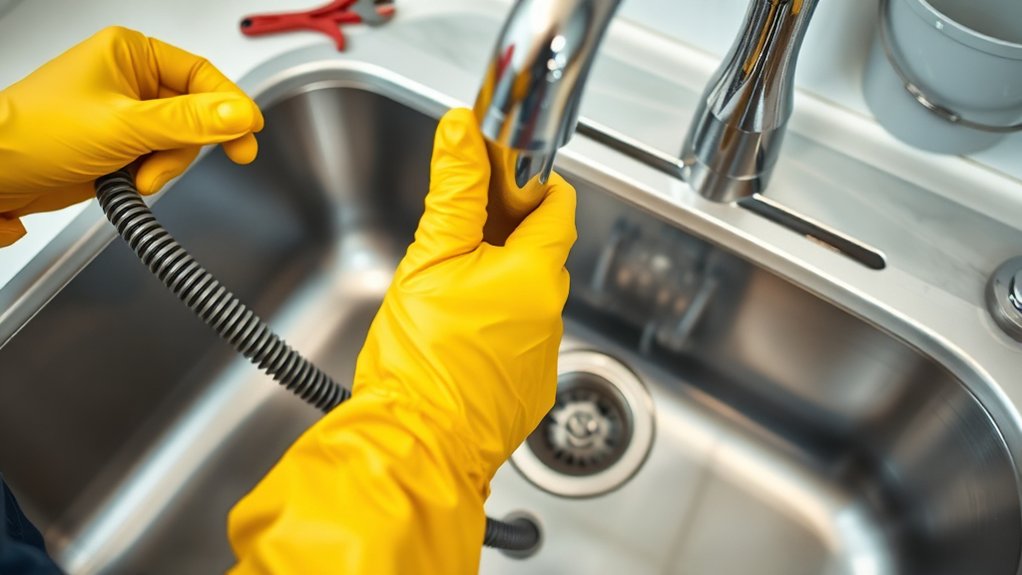
A clogged kitchen drain can turn meal prep and cleanup into a frustrating mess. If you’re struggling to clear a stubborn blockage, you’re not alone. Learning how to snake a kitchen drain can help you tackle the problem with the right tools and a few simple steps.
Gather a drain snake that fits your pipe, plus gloves, a bucket, towel, and flashlight. Shut off the faucet, clear the cabinet, and place a pan under the trap. Pick the closest entry point, then feed the snake slowly while turning the handle. Break up the clog with short twists, remove debris, and run water to test the drain. If it still backs up, snake it again for more tips and fixes.
Key Takeaways
- Gather supplies first: drain snake, gloves, bucket, towel, flashlight, and a trash bag for debris.
- Shut off the faucet, clear the cabinet area, and place a pan or towel under the trap for drips.
- Choose the closest access point, usually the sink opening, trap connection, or cleanout plug.
- Feed the snake slowly, turning the handle gently to break through grease and food buildup.
- Test with running water, and if needed, snake again; then clean and dry the tool afterward.
Gather Your Drain Snake and Supplies

Before you start snaking the drain, gather everything you’ll need so the job goes smoothly. Pick a drain snake that matches your pipe size and reach, then check the handle, cable, and tip for wear.
Keep a bucket, gloves, a towel, and a flashlight nearby so you can work cleanly and see inside the opening. If your sink has a removable strainer or trap parts you may touch later, confirm gasket compatibility before you reassemble anything.
A mismatched gasket can leak and slow you down. Also inspect the seals on any fittings you’ll handle and note whether seal maintenance is needed after the clog clears.
Lay out a small workspace for tools and scraps, and keep a trash bag ready for debris. When everything is within reach, you’ll move faster and avoid unnecessary stops while you snake the drain.
Turn Off Water and Clear the Sink Area
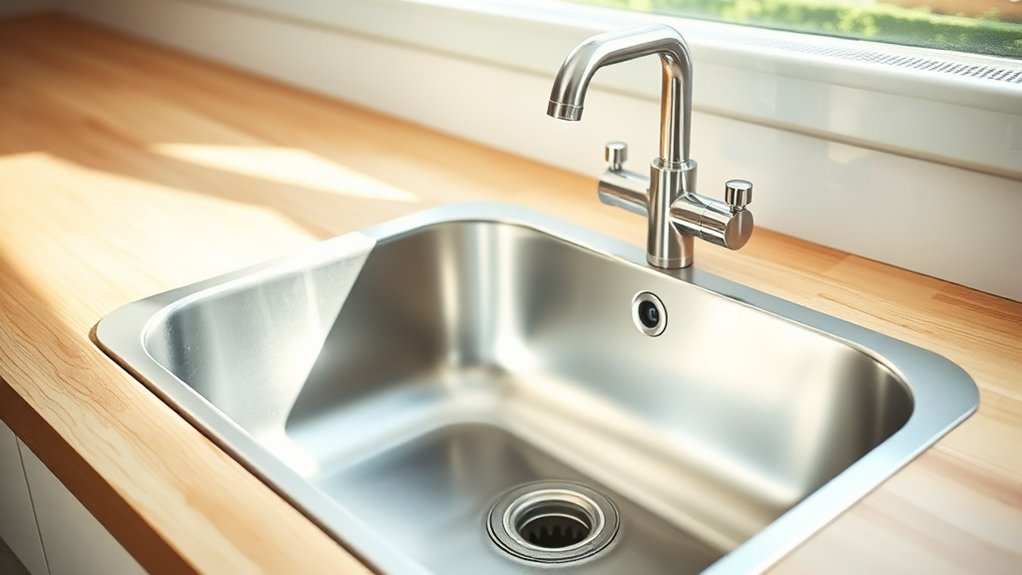
Shut off the water at the faucet and clear everything from under and around the sink so you’ve got room to work. Move cleaners, buckets, and stored items out of the way, then lay a towel or shallow pan beneath the trap to catch drips.
If you can, empty the cabinet floor and wipe away any standing water or debris. This keeps you from slipping while you work and helps you spot leaks fast.
Next, stop using the sink until you finish snaking it. That prevents more water from pushing the clog deeper and keeps the drain line as calm as possible.
If you’ve been dealing with repeated blockages, note any grease management issues, since buildup often collects in kitchen lines. Also, if your sink setup shows signs of venting concerns, keep that in mind for later troubleshooting. For now, focus on a clean, dry workspace so you can work safely and efficiently.
Choose the Right Entry Point

Now decide where the snake should enter the drain. You’ll get the best results by choosing the closest, most direct opening to the clog. In many kitchens, that’s the sink drain itself, but a cleanout or other pipe access may give you a straighter path.
Look under the sink and trace the pipe layout so you can spot possible entry points without guesswork.
- Sink opening: Picture the dark mouth of the drain, ready for the snake to slip in.
- Trap connection: Imagine the curved pipe beneath the basin, where a hidden blockage might sit.
- Cleanout plug: See a small capped opening that offers easier pipe access and a clearer route.
Pick the entry point that feels least restrictive and most practical. The right choice helps the snake reach the clog faster and reduces unnecessary bends in the line.
Insert the Drain Snake Slowly
Feed the snake into the drain gradually so it can move past bends without forcing it. Keep a steady grip, and pay attention to the cable’s resistance—it can tell you when to ease up or adjust. Moving slowly helps clear the clog without damaging the pipe.
Feed Snake Gradually
As you start feeding the snake into the drain, guide it in slowly so it can follow the pipe without binding or kinking. Keep your grip light and let the cable slide forward in short, steady pushes.
These quick tips help you stay in control while improving tool ergonomics, since a relaxed wrist and balanced stance reduce strain. Picture the snake moving like:
- A silver ribbon easing around a curve
- A compass needle tracing the pipe’s path
- A flexible vine slipping through a tunnel
Pause often to feel the cable settle, then advance it again with smooth pressure. If it meets a turn, nudge it gently and keep going.
Slow feeding gives you better control and helps the snake reach the clog without forcing it.
Control Cable Resistance
If the snake starts to push back, ease off and let the cable work through the pipe at its own pace. You don’t need to force it; steady pressure helps the auger reach the blockage without binding.
Keep one hand on the drum and the other near the entry point, so you can feel resistance as you turn the handle. When the cable tightens, pause, pull back a little, then advance again in short, controlled moves.
This rhythm lets you work through bends and grease without jamming the line. Good drain maintenance means listening to the tool instead of overpowering it.
Slow, controlled feeding also supports clog prevention, because you’re less likely to compact debris deeper into the drain.
Avoid Pipe Damage
Insert the drain snake slowly, because rushing can scratch the pipe or force the auger into a tight bend. Keep a steady grip and let the cable find its path; if you feel hard resistance, stop and turn the handle gently instead of pushing.
This protects old joints and helps you avoid clogs without making the blockage worse. Picture the cable sliding through a dark elbow, easing past grease, food bits, and narrow bends with only light pressure.
For safer kitchen maintenance, watch for these signs:
- The cable moves smoothly, like a ribbon through a tube.
- The handle turns with little strain.
- Water starts draining faster after each short push.
If you work patiently, you’ll clear the line and reduce future damage.
Break Up the Kitchen Drain Clog
With the auger’s tip at the clog, twist the handle slowly so the cable bites into the blockage and starts breaking it apart. Keep steady pressure so you can feel resistance weaken as the clog loosens.
If the snake stops advancing, rotate it a little more and let the end chew through grease, soap, or food buildup. Don’t force it; controlled turns work better and protect the pipe.
When you feel the clog give way, move the cable in short in-and-out motions to widen the opening and clear the path.
If you need a break time, set the auger aside, wipe off the cable, and check for kinks. Good tool care now helps the snake work smoothly and last longer.
Stay patient, because a stubborn clog may take a few rounds before water can flow freely again.
Remove the Debris From the Snake
Pull the snake out slowly, clearing the coil as you go so the clog doesn’t slide back into the drain. Wipe the cable with a rag to remove any stuck-on gunk, then toss the debris in the trash before putting the snake away.
Clear The Coil
Once you’ve pulled the snake out, clear the coil right away so the clog doesn’t end up back in the drain. Hold the cable over a bucket or trash bag and let the gunk drop free.
If pieces cling to the metal, use a hooked tool or stiff brush to dislodge them, working from the tip toward the handle. This clear coil step keeps the snake ready for another pass and supports good coil maintenance.
Picture:
- A dark wad of hair and grease falling into a bucket.
- A shiny cable emerging clean from the mess.
- Your sink opening up again, with water ready to flow.
Check the coil for bends or kinks before you store it, so the tool stays effective next time.
Wipe The Cable
Now wipe the cable clean so leftover sludge doesn’t harden on the snake. Grab a rag or paper towels and pull the cable through them as you retract it. Keep a firm grip, and wipe the cable from the tip back toward the drum so you don’t drag grime farther along.
If buildup clings to the coil, use warm water and a little dish soap to loosen it, then dry the metal well. Check the head for stray hair, grease, or gunk, and remove anything caught in the grooves. This quick cleanup keeps the snake ready for the next job and protects your drain from reinserting debris.
Good maintenance tips also include storing the tool clean and dry after each use.
Discard Collected Debris
Lift the debris off the snake as soon as you finish cleaning the cable. You’ll usually find gunk, grease, and hair clinging to the coil, and you should drop it straight into a trash bag.
Use a paper towel or old rag to pinch off the mess, then check the snake tip for anything still stuck. If needed, rinse the cable with hot water and wipe it dry before storing it.
- A slimy clump falling into a lined trash can
- A greasy coil shining after a quick rinse
- A clear sink drain ready for the next flush
Handle discarded debris carefully, wash your hands, and clean the work area. This simple step supports clogs prevention and keeps your snake ready for the next drain issue.
Run Water to Test the Drain
Turn on the faucet and let water flow into the sink to check whether the drain clears properly. Watch the water level and listen for gurgling, slow movement, or backing up in the basin.
Turn on the faucet and watch for smooth drainage, gurgling, or any sign the sink is backing up.
If the sink empties quickly, you’ve likely removed the clog and restored normal flow. Run the water for a full minute so you can confirm steady drainage under continuous pressure.
Keep the faucet on both hot and cold briefly if you want to see whether the line handles each flow well. As you test, stay alert for leaks under the cabinet and wipe up any drips right away to support drain safety.
After the water runs clean, rinse the snake, dry it, and store it properly for tool maintenance. This helps prevent rust, keeps the cable ready for later use, and makes your next plumbing task easier.
Snake the Drain Again if Needed
If the drain still moves slowly or backs up, feed the snake back into the pipe and work it through the clog again. You may need further snaking to break apart stubborn grease, food scraps, or soap buildup that didn’t move the first time.
Keep the cable steady, turn the handle slowly, and let the auger bite into the blockage instead of forcing it.
- Picture the coil sliding through the dark pipe like a metal rope.
- Imagine the clog loosening as the tip chews through compacted debris.
- See water spinning down the drain with a clear, open rush.
If needed, pull the snake out a little, then push it forward again to target the blocked section from another angle. Repeated snaking often clears what one pass misses, especially in tight elbows or heavy buildup.
Stop when the cable moves freely and the drain flows without hesitation.
Clean the Drain Snake After Use
Once you’ve cleared the clog, pull the drain snake out slowly and wipe off any grime, grease, or debris with paper towels or a rag. Keep cleaning as you work your way along the cable, so buildup doesn’t dry and harden.
Next, wash the snake with hot water and dish soap, then scrub the head and handle with a brush if needed. Rinse it thoroughly to remove residue, since leftover grease can cause odor and affect drain sanitation.
Dry the tool completely with a clean towel before storing it. If you want extra protection, use simple cleaning techniques like disinfecting the snake with a mild cleaner, then rinse again.
Check the cable for bends, cracks, or rust while it’s exposed, and remove any trapped material from the coil. A clean, dry snake lasts longer, works better, and stays ready for the next time you need it.
Prevent Future Kitchen Drain Clogs
To keep your kitchen drain flowing, use a strainer to catch food scraps before they slip down the pipe. Also, wipe grease from pans and toss it in the trash instead of rinsing it away, since grease buildup can lead to clogs. A few simple habits like these can help prevent future drain problems.
Use Drain Strainers
A simple drain strainer can save you from another clogged kitchen sink later. You can place drain strainers over the sink opening and catch food scraps before they slip into your pipes. This small habit supports kitchen maintenance and keeps water moving freely.
Choose a strainer with fine mesh, rinse it after each use, and empty it often so it stays effective.
- Picture a shiny metal basket catching onion skins.
- Imagine pasta bits piling up instead of vanishing down the drain.
- See clear water swirling away while scraps stay trapped above the sink.
With this quick step, you’ll reduce buildup and make future snaking easier. Regular use also helps you spot drainage problems early, before they turn into bigger messes.
Avoid Grease Buildup
Grease is one of the fastest ways to clog a kitchen drain, so keep it out of the sink whenever you can. Wipe pans with a paper towel before washing, and pour cooled grease into a container for trash disposal. Strong grease prevention starts with better disposal habits.
| Habit | Do | Don’t |
|---|---|---|
| Frying oil | Save and discard safely | Dump it down the drain |
| Sauces | Scrape into trash | Rinse fatty residue away |
| Plates | Wipe first | Let grease wash off |
| Cleanup | Use hot, soapy water | Rely on hot water alone |
If you cook often, repeat these steps daily. You’ll cut buildup, protect your pipes, and keep your kitchen drain flowing freely.
Frequently Asked Questions
How Long Should a Kitchen Drain Snake Be?
You should choose a kitchen drain snake that’s 25 to 50 feet long for most homes. You’ll reach common clogs in sinks and branch lines without overbuying. A 25-foot snake often handles simple kitchen backups, while 50 feet gives you more reach for deeper blockages. Pick a durable cable and check bathroom compatibility if you want one tool for both kitchen and bathroom drains.
Can I Use a Drain Snake on a Garbage Disposal?
You shouldn’t use a drain snake on a garbage disposal unless you first disconnect power and check the unit carefully.
You can use a drain snake on a garbage disposal only if the clog sits in the drain line, not inside the disposal chamber. If you force it into the disposal, you could damage the blades or jam the motor.
Instead, you should use a hex key, plunger, or call a plumber.
What Type of Snake Works Best for Kitchen Sinks?
You’ll want a hand-crank drum snake for kitchen drains; it laughs at grease clogs without pretending to be a superhero. For shallow sinks, a 1/4-inch cable usually works best, while longer runs may need 3/8-inch. Check What type for your pipe size and Snaking compatibility with garbage disposals before you start. Avoid oversized augers, or you’ll turn a simple fix into a plumbing sitcom.
How Often Should I Snake My Kitchen Drain?
You should snake your kitchen drain only when you notice slow drainage, odors, or gurgling, not on a fixed weekly basis. For routine care, build a maintenance schedule around monthly flushes with hot water and occasional baking soda.
Use a long handled snake if you need deeper reach, and follow safety tips like wearing gloves and avoiding harsh chemical cleaners. If clogs keep coming back, you’ll want a plumber to inspect it.
When Should I Call a Plumber Instead?
You should call a plumber when the water swirls like a stubborn whirlpool and won’t clear. If you notice repeated clogs, foul odors, gurgling sounds, or slow draining after snaking, you’re seeing signs of backup that need expert help.
Call a plumber when to call plumber becomes obvious: if multiple drains back up, water returns, or DIY fixes fail, you could have a deeper blockage or pipe damage.
Conclusion
With one last twist, you pull the snake free and watch the dark water swirl away. For a moment, the sink stays silent, as if it’s deciding whether to fight back. Then the drain gulps the water and clears.
You’ve beaten the clog, but the real test is next time you rinse a pan or scrape a plate. Stay ready, and you’ll know how to snake a kitchen drain again if trouble returns.