How Deep Are Standard Kitchen Cabinets?
Choosing the right kitchen cabinet depth can be tricky: too shallow, and you lose storage; too deep, and your kitchen may feel cramped. You’re not alone—many people struggle to balance everyday storage…
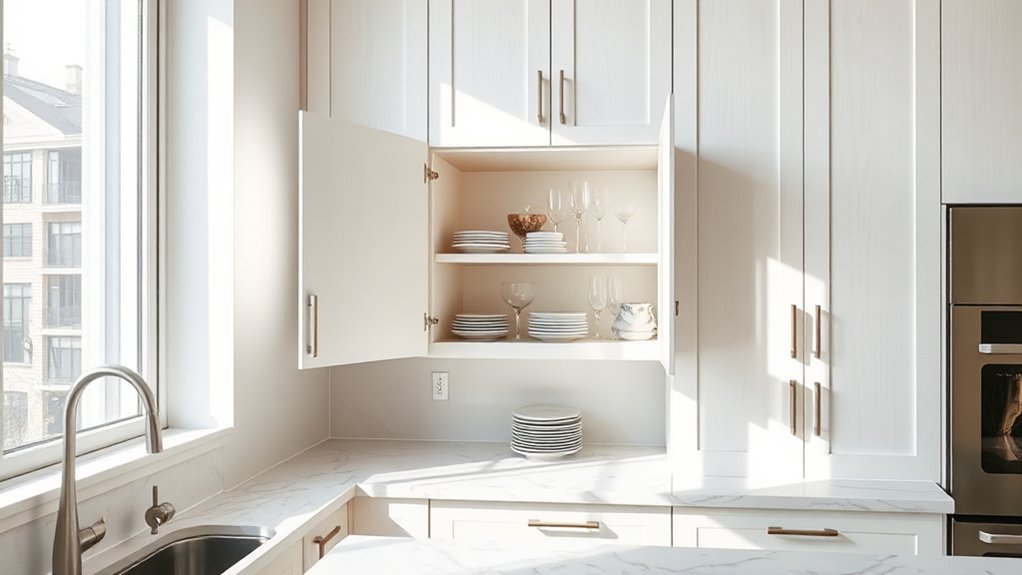
Choosing the right kitchen cabinet depth can be tricky: too shallow, and you lose storage; too deep, and your kitchen may feel cramped. You’re not alone—many people struggle to balance everyday storage with enough room to move.
Standard kitchen cabinets are usually 24 inches deep for base and tall cabinets, and 12 inches deep for wall cabinets. You can use these sizes as a starting point, then adjust for your layout, storage needs, and walkway space.
Shallower cabinets can make a small kitchen feel roomier, while deeper ones hold more. If you’re planning a remodel, the right depth can change how your kitchen works in everyday use, and there’s more to compare.
Key Takeaways
- Standard base kitchen cabinets are usually 24 inches deep for storage, countertop support, and comfortable daily use.
- Standard wall cabinets are usually 12 inches deep, balancing storage with clear counter and walkway space.
- Tall cabinets are typically 24 inches deep, matching base cabinets for a consistent full-height pantry look.
- Shallower cabinets can improve movement, visibility, and accessibility in small or narrow kitchens.
- Custom depths are available to fit unusual layouts, appliance clearances, and specific storage needs.
How Deep Are Standard Kitchen Cabinets?
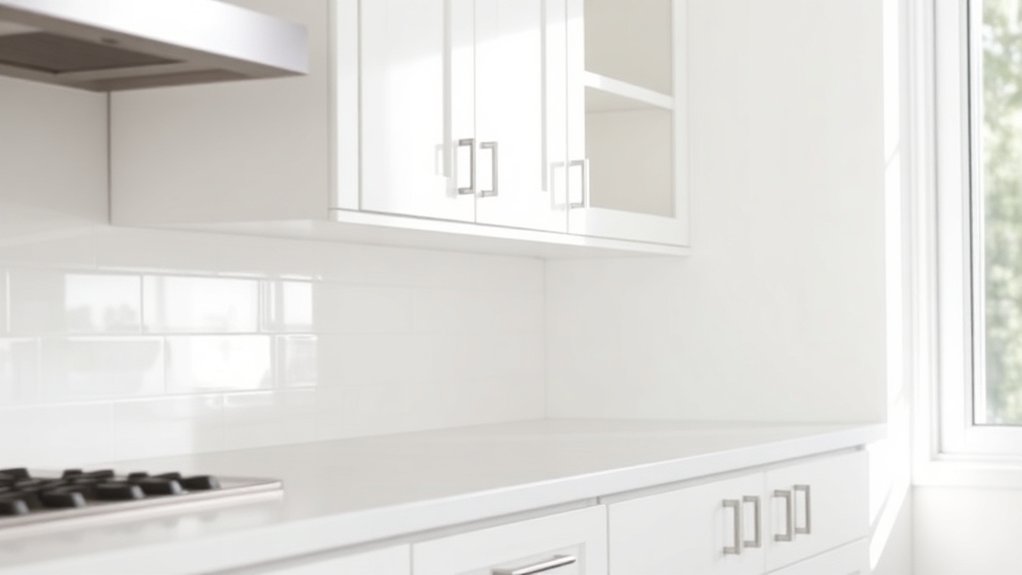
Standard kitchen cabinets are usually 24 inches deep for base cabinets, while wall cabinets are typically 12 inches deep. You can use these measurements as your starting point when planning layout, storage, and clearance.
That depth gives you enough room for dishes, cookware, and pantry items without crowding your workspace. If you want a cleaner look, you can choose shallow wall units that keep your kitchen feeling open.
For custom projects, you’ll find material options that affect not only durability but also how the cabinet depth looks in the room. Take a deep focus on how the cabinets align with appliances, counters, and walkways, because even small changes can affect daily use.
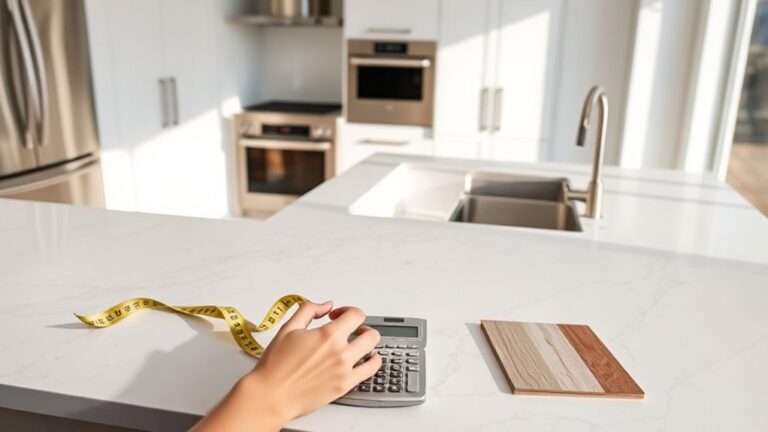
You don’t need to guess; a tape measure helps you confirm whether the depth suits your space and your routine.
How Deep Are Base Kitchen Cabinets?

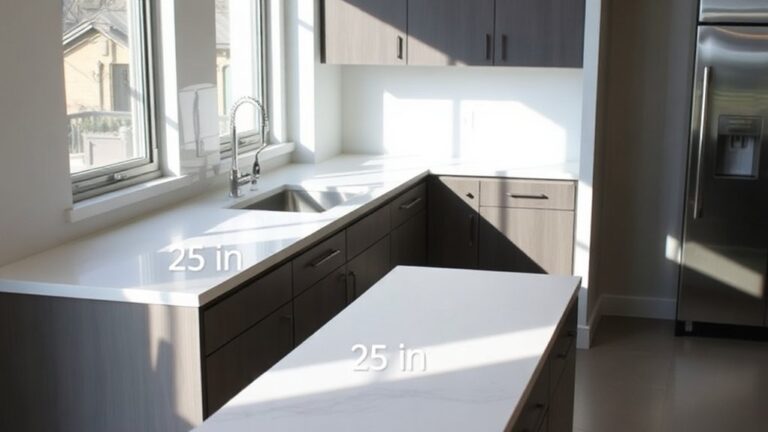
Base kitchen cabinets are usually 24 inches deep, which gives you enough space for storage, countertop support, and everyday use without making the kitchen feel cramped. You’ll find this depth works well for most layouts because it lets you store pots, pans, and small appliances while keeping items easy to reach.
If you choose deep cabinets, you also get a stable base for counters and sinks, which helps the whole workspace feel solid. This standard size supports good cabinet ergonomics, since you can access contents without bending too far or losing track of items in the back.
In some kitchens, you may want shallower or deeper options to fit a custom design, but 24 inches remains the common choice. When you plan your kitchen, measure carefully so the cabinets fit your space, your workflow, and your storage needs.
How Deep Are Wall Kitchen Cabinets?

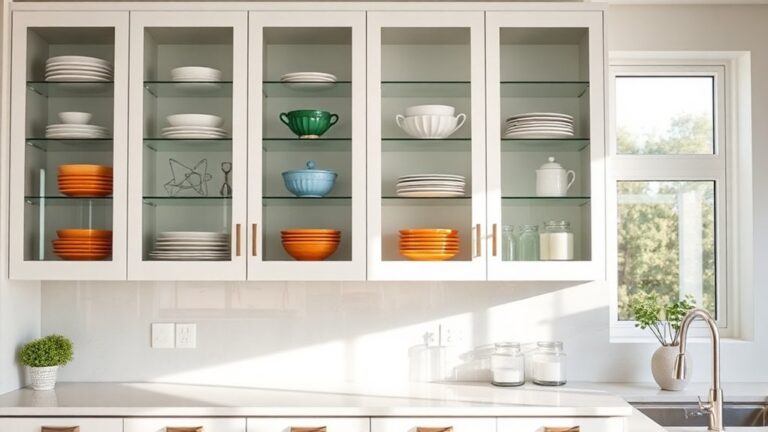
Wall kitchen cabinets are usually 12 inches deep, which gives you useful storage without sticking too far into the room. You can count on that size for plates, glasses, spices, and other everyday items, while still keeping counters and walkways comfortable. When you plan your layout, you’ll often see this depth paired with standard 18-inch backsplashes and 24-inch counters below, so the proportions feel balanced.
You may choose shallower or deeper wall cabinets if your space or style calls for it. Some design trends favor taller doors, glass fronts, or open shelving above the counter, but the core depth often stays the same. If you’re comparing materials, finishes, or custom sizing, think about budget tradeoffs too, because small changes can raise costs quickly. In most kitchens, 12 inches gives you the best mix of access, appearance, and practicality.
How Deep Are Tall Kitchen Cabinets?
Tall kitchen cabinets are usually 84, 90, or 96 inches high, and they’re typically 24 inches deep to match base cabinets below. That depth gives you a full-height pantry look without sticking out awkwardly in your kitchen layout. You’ll usually pick this size when you want consistent lines and a clean deep finish across the room.
- You can store brooms or trays upright.
- You can choose built-in shelving or a single tall door.
- You’ll often see a small cost difference for upgraded fronts.
- You can pair them with crown molding for a finished top.
If you’re comparing options, remember that a tall cabinet’s depth usually stays standard even when the height changes. That makes planning easier and keeps the installation straightforward. Choose the style that fits your space, then measure carefully before you order.
How Cabinet Depth Affects Storage Space
Cabinet depth affects how much you can store. Deeper cabinets offer more space, but items at the back can be harder to see and reach. This is especially true for lower or taller cabinets, so consider how easily you can access everything. Fortunately, organizers can help you make the most of deep cabinets without wasting space.
Storage Capacity Changes
How much storage you get from standard kitchen cabinets depends a lot on depth, because even a small change can affect what fits inside. When you compare 12-inch and 24-inch bases, you’ll notice a big shift in usable volume and your storage optimization options.
Deeper cabinets let you stack bulkier items, while shallower ones suit dishes, spices, and everyday tools. Your depth perception matters here, since the front row can hide what’s behind it.
- You gain room for pots.
- You can store larger appliances.
- You may fit more pantry goods.
- You’ll need to plan layouts carefully.
Choose depth based on what you store most, and you’ll use every inch better without wasting space.
Reach and Accessibility
When you choose deeper standard kitchen cabinets, you’re not just adding storage—you’re also changing how easily you can reach it. You may gain more room for plates, appliances, and pantry items, but items pushed toward the back can become harder to grab quickly.
That extra depth can also make you lean farther in, especially on lower shelves, which affects daily comfort. If you store recycling bins inside cabinets, deeper spaces can help hide them, yet they may limit easy access when you’re sorting waste fast.
You’ll also want to think about color coordination, because visible items near the front can stand out more in a deep cabinet. In short, depth improves capacity, but it can reduce convenience if you don’t plan for how you’ll use the space.
Organizing Deep Cabinets
Deeper standard kitchen cabinets give you more room, but they also make organization more important, because items can disappear into the back if you don’t plan the layout well.
You can turn that depth into useful deep storage by grouping items by size and frequency. Keep everyday dishes near the front so you don’t block counter access, and place bulky appliances farther back.
- Use pull-out trays.
- Add shelf risers.
- Store bins by category.
- Label everything clearly.
These simple systems help you reach what you need fast and waste less space. When you match your cabinet depth to your routine, you’ll avoid clutter and make every inch work harder for you.
Kitchen Cabinet Depth vs Countertop Overhang
Your cabinet depth and countertop overhang need to work together, not compete. When you choose standard cabinets, check how far your countertop extends past the front edge. Too little overhang can leave you with splashes, awkward seams, and a countertop mismatch that looks unfinished. Too much overhang can make the run feel bulky and create cabinet glare if light catches the face frames at an odd angle.
You’ll usually want the countertop to project just enough to protect the doors and drawers while keeping the profile balanced. If you’re using thicker stone, confirm that the overhang still lines up with nearby appliances, end panels, and seating areas. Measure from the cabinet face, not the wall, to get an accurate result. Small adjustments in depth and edge detail can make the whole kitchen look intentional, polished, and easy to use.
When Shallow Cabinets Make More Sense
You might choose shallow cabinets when tight kitchen walkways make every inch count. They’re great for storing lightweight dishes, too, since you can grab plates, bowls, and glasses without rummaging around. And in a small kitchen, their slimmer profile can save space and help the room feel more open.
Tight Kitchen Walkways
When space is tight, shallower kitchen cabinets can keep walkways comfortable and make the room feel less cramped. You’ll notice the difference every time you open a door or pass behind someone at the counter.
In small layouts, kitchen ergonomics matter more than extra storage depth, because easier movement often improves daily use. Use these two word discussion ideas to guide choices:
- Clear paths
- Easy access
- Better traffic
- Smarter sizing
Shallower cabinets can also help you avoid bumping into handles and corners, which makes cooking feel smoother. If your kitchen already feels narrow, reducing cabinet depth can create breathing room without changing the whole layout.
You’ll gain a more open flow, and that comfort can matter more than a few extra inches.
Lightweight Dish Storage
For lightweight dish storage, shallower kitchen cabinets can be the smarter choice because plates, bowls, and everyday glassware don’t need deep shelves to stay organized. You can reach items quickly, avoid stacking too high, and reduce the chance of chips from shifting pieces.
Shallower cabinets also support budget optimization, since you may use less lumber, simpler hardware, and fewer custom inserts. If you’re comparing options, pay attention to material sourcing, because lighter-duty storage doesn’t always require premium boards or heavy-duty runners.
You’ll still want solid shelves and a durable finish, but you don’t need extra depth just to hold a few dishes. When your storage needs are modest, shallower cabinets give you practical function without paying for wasted space.
Small Space Efficiency
Small kitchens often benefit the most from shallower cabinets, because every inch of depth affects how easily you can move, store, and reach what you use daily. You’ll notice better traffic flow, less clutter, and faster access when you choose smarter depth optimization.
Shallow cabinets also help you avoid items disappearing behind rows of dishes, which keeps your setup more practical.
- You save aisle space.
- You reach plates and pans faster.
- You reduce visual bulk.
- You can make smarter budget trade offs.
If you cook often in a compact layout, shallower cabinets may serve you better than standard depth. They won’t hold everything, but they can make your kitchen feel bigger, cleaner, and easier to use every day.
How to Measure Kitchen Cabinets
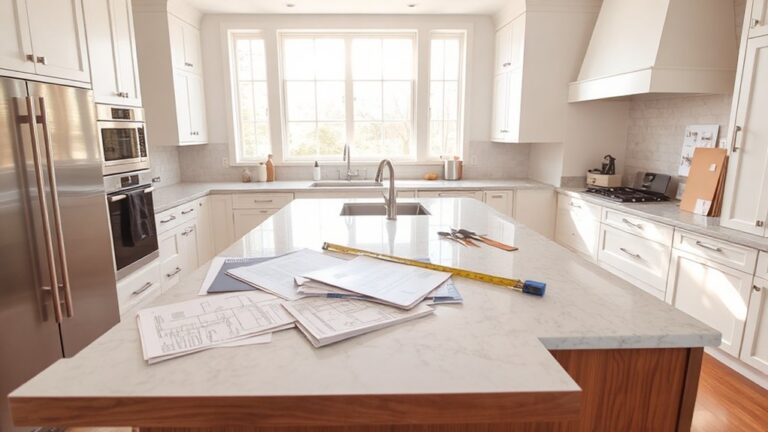
Measuring kitchen cabinets starts with knowing exactly what space you have, so grab a tape measure and record the width, height, and depth of each run. Measure from wall to wall, then check floor to ceiling at several points, since surfaces can shift. Next, note the depth from the wall to the front edge, including any trim or backsplash that changes the usable space. Write everything down in a simple sketch so you can compare it against standard cabinet sizes.
When you plan your cabinet design, these numbers guide your layout and help you avoid gaps or crowding. They also give you solid discussion ideas when you talk with a designer, builder, or salesperson. Don’t forget to measure around appliances, door swings, and windows so doors and drawers can open comfortably. Careful measuring saves time, reduces mistakes, and helps you choose cabinets that fit your kitchen cleanly and look intentional.
Custom Cabinet Depths for Odd Layouts
Once you’ve mapped the room, you can use custom cabinet depths to solve awkward layouts that standard sizes won’t fix. In a tight galley, a shallow run can keep traffic clear. In a bay window nook, deeper bases can create usable storage without crowding the wall. You can also bridge deep gaps beside appliances or end panels, so every inch works harder.
Custom cabinet depths turn awkward layouts into intentional storage, making every inch work harder.
- Fit a pull-out pantry where a normal cabinet would jut too far.
- Tuck shallow storage under sloped walls or soffits.
- Use adaptable depths around corners to smooth traffic flow.
- Match cabinet depth to the room’s odd angles, not the other way around.
When you plan these changes, you make the layout feel intentional instead of patched together. Custom depths let you turn wasted space into practical storage, and they help your kitchen feel cleaner, calmer, and easier to use every day.
Choosing the Right Cabinet Depth for Your Kitchen
Choosing the right cabinet depth starts with how you use the kitchen every day. If you cook often, you may want standard base cabinets around 24 inches deep because they hold pots, pans, and supplies without crowding your workflow.
In a smaller kitchen, shallower cabinets can improve depth perception and make the room feel more open. Measure aisle space, appliance doors, and countertop overhang before you decide.
You should also think about how far you can comfortably reach into upper cabinets, especially if you store dishes or glassware there. Don’t ignore cabinet budgets, either; deeper or custom units usually cost more and may require extra installation work.
If you’re unsure, test layouts with tape on the floor or cardboard mockups. That simple step helps you compare storage, comfort, and movement before you commit to a depth that’s too much or too little.
Frequently Asked Questions
Do Cabinet Depths Vary by Country?
Yes, cabinet depths do vary by country, and you’ll see regional variations in cabinet dimensions. In the U.S., base cabinets are usually deeper than many European styles, while metric systems often shape different sizing elsewhere.
You should check local standards before planning a kitchen, because appliances, countertops, and clearances can change the needed depth. If you’re ordering or remodeling, you’ll save time by matching your cabinets to local norms.
Can Cabinet Depth Affect Kitchen Appliance Fit?
Yes—cabinet depth can make or break your appliance fit. You’re like a navigator threading a ship through a narrow harbor: even a small mismatch can snag ovens, dishwashers, or fridges.
Depth consistency helps you line up each unit cleanly, while proper appliance clearance keeps doors opening and vents breathing. Measure carefully, account for trim and handles, and you’ll avoid costly gaps, bulges, and installation headaches.
Are Deeper Cabinets Harder to Clean?
Yes, deeper cabinets can be harder for you to clean because crumbs and spills hide farther back, and you’ve got to reach deeper. You’ll also spend more time moving items out of the way.
Still, you can make deep cabinet cleaning easier with pull-out trays, liners, and regular wipe-downs. Good storage optimization helps too, since organized shelves reduce clutter and let you clean faster without digging through everything.
What Tools Measure Cabinet Depth Accurately?
You can measure cabinet depth accurately with a tape measure, a steel ruler, or a digital caliper for tighter spots. For a deep cabinet, use a straight edge and mark the front and back points carefully.
You’ll improve measurement accuracy by checking from both sides, keeping the tool level, and repeating the reading. If you want the most precise result, use a laser distance measurer and compare it with manual measurements.
Do Cabinet Depths Impact Resale Value?
Yes, cabinet depths can affect resale value because you want kitchens to feel functional, balanced, and current. Shallow or awkward cabinets can make buyers see wasted storage, while well-proportioned depths support a polished look alongside hardwood flooring and better energy efficiency if they fit appliances and layouts efficiently.
You’ll boost appeal when your cabinets match everyday needs, make movement easy, and help the space feel thoughtfully designed.
Conclusion
So, when you pick cabinet depth, you’re really choosing how your kitchen works day to day. Standard base cabinets usually give you about 24 inches of depth, while wall cabinets often sit around 12 inches.
I once helped a friend swap out bulky uppers for shallower ones, and the room instantly felt like it could breathe again. Like a well-cut suit, the right depth doesn’t just fit your space; it makes everything feel sharper, easier, and more useful. That’s what makes standard kitchen cabinet depth such an important choice.