3 Key Factors That Determine How Much New Kitchen Cabinets Cost
Choosing new kitchen cabinets can be exciting, but figuring out what they’ll cost can feel overwhelming. You’re not alone—many homeowners struggle to balance their budget with the style and storage they want….

Choosing new kitchen cabinets can be exciting, but figuring out what they’ll cost can feel overwhelming. You’re not alone—many homeowners struggle to balance their budget with the style and storage they want. Understanding the key factors that determine how much new kitchen cabinets cost can help you plan with confidence.
Three key factors drive what you’ll pay for new kitchen cabinets: cabinet type and materials, finish quality, and kitchen size and layout. Stock cabinets cost less than semi-custom or custom, while hardwood, plywood, and MDF each affect price and durability differently.
Painted, stained, or high-gloss finishes add labor and cost. Larger kitchens, islands, corners, and irregular walls also raise installation time and expense. If you keep going, you’ll see how each choice changes your total budget.
Key Takeaways
- Cabinet type and budget range vary widely, from stock to custom cabinets, with costs climbing as customization increases.
- Material quality affects price, with hardwood costing more than plywood, engineered wood, or MDF.
- Finish choice adds labor and material costs, especially for stains, glazes, and high-gloss coatings.
- Kitchen size and layout complexity raise costs through more cabinets, trim, corners, and special dimensions.
- Installation challenges, special storage, and irregular walls increase labor time and total cabinet cost.
How Much Do Kitchen Cabinets Cost?

Kitchen cabinet costs can vary widely, but you can usually expect to spend anywhere from a few thousand dollars to well over $20,000, depending on the size of your kitchen, the materials you choose, and whether you go with stock, semi-custom, or fully custom cabinets.
You’ll also see that installation, layout changes, and hardware can shift the total more than you might expect. When you compare quotes, look closely at the main cost drivers so you can tell what’s included and what isn’t.
If you’re doing budget planning, set a target range before you shop and leave room for surprises. A basic stock setup may suit a tight budget, while a custom design gives you more flexibility at a higher price.
The best way to stay in control is to balance your wish list with your actual spending limit.
How Cabinet Materials and Finishes Affect Price

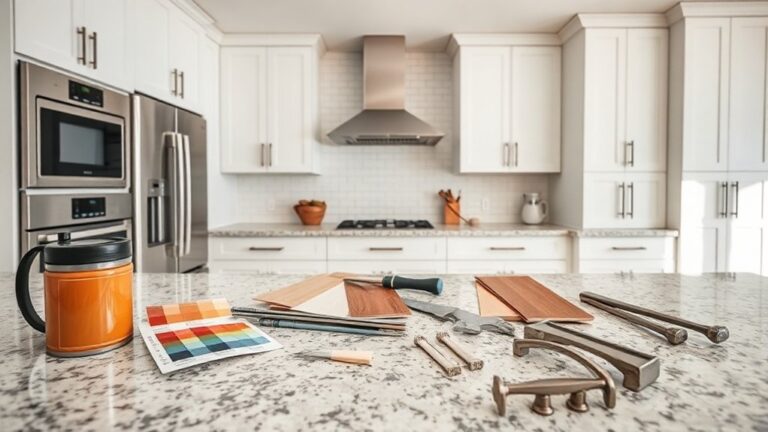
Material choices can quickly change what you’ll pay for new cabinets. If you pick solid hardwood, you usually spend more because it offers strong material durability and a richer look. Engineered wood and plywood often cost less, yet they can still perform well in everyday use.
Finish choices matter too: a basic painted coat costs less than specialty stains, glazes, or a high-gloss finish sheen that takes extra labor.
| Material | Cost Impact | Typical Use |
|---|---|---|
| Solid hardwood | High | Premium kitchens |
| Plywood | Medium | Balanced projects |
| MDF | Lower | Painted cabinets |
You’ll also pay more when you choose custom colors or layered coatings. Those options add time, equipment, and skill. If you want a smarter budget, compare how each material handles wear, moisture, and cleaning before you decide.
How Kitchen Size and Layout Change Costs

As soon as your kitchen gets bigger or more complex, cabinet costs usually climb. More square footage means more boxes, more doors, and more trim, so your total rises fast. Even a modest size variance can change the budget because you may need extra base cabinets, taller uppers, or more specialty storage.
If your room has a galley, L-shape, or U-shape, the layout impact shows up in corner solutions, filler strips, and custom dimensions. Islands and peninsulas add even more cabinets, plus labor for fitting and finishing.
You’ll also pay more when walls aren’t square, ceilings vary, or appliances force unusual spacing. In a simple layout, installers can work quickly and waste less material. In a tight or irregular space, they spend more time measuring, cutting, and adjusting, which pushes labor costs higher too.
Frequently Asked Questions
How Long Does Cabinet Installation Usually Take?
Cabinet installation usually takes one to three days, but your cabinet installation duration can stretch longer if your kitchen is large or custom work’s involved. You’ll see installation time factors like demolition, wall leveling, plumbing adjustments, and the number of cabinets affecting the schedule.
If your crew runs into surprises, you might wait a bit longer, but a straightforward job often wraps up quickly and with minimal disruption.
Can I Install Kitchen Cabinets Myself?
Yes, you can install kitchen cabinets yourself if you’ve got patience, precision, and the right tools. You’ll measure, level, and secure each cabinet, then adjust doors and drawers for a clean fit.
Compare DIY installation with hiring a pro: you’ll save money, but spend more time and take on more risk. If you’re also handling the surfaces, consider cabinet finishing versus staining. If you’re unsure, hire a pro.
Do Cabinet Warranties Vary by Manufacturer?
Yes, cabinet warranties do vary by manufacturer, so you should always compare coverage before you buy. One brand may offer lifetime protection on boxes and hardware, while another limits coverage to defects for a few years.
Check what cabinet warranties include and exclude, and whether manufacturer coverage applies to finishes, doors, or installation. Reading the fine print helps you avoid surprises later and protect your investment.
What Cabinet Storage Features Increase Functionality?
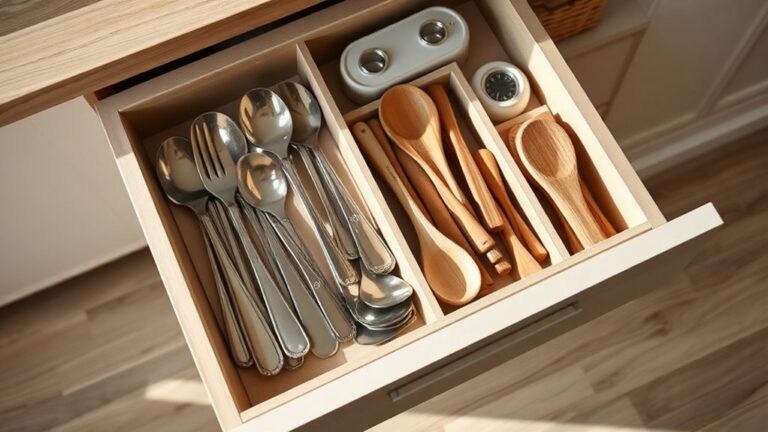
You’ll get more functionality from cabinets with smart cabinet organization features like pull out shelves, deep drawers, tray dividers, spice racks, and corner solutions. You can reach items faster, reduce clutter, and use every inch more efficiently.
Add vertical dividers for baking sheets, built-in bins for trash, and soft-close drawers for comfort. If you cook often, these upgrades make your kitchen feel easier to use every day.
How Often Should Kitchen Cabinets Be Replaced?
You should replace kitchen cabinets when they no longer function well, look worn, or show damage that repairs can’t fix. In a busy kitchen, that’s often every 15 to 25 years, but your budget considerations and material durability can change the timeline.
If doors sag, finishes peel, or storage feels inefficient, you’ll benefit from new cabinets sooner. Regular care can help yours last longer and delay replacement.
Conclusion
When you’re budgeting for new kitchen cabinets, three big levers pull the final price: materials, finishes, and the size and layout of your kitchen. Think of them like the heartbeat of your remodel, each one pushing costs up or easing them down.
By understanding how these factors work together, you can make smarter choices and avoid sticker shock. In the end, the right new kitchen cabinets should fit your space, style, and wallet like a glove.