7 Key Factors That Determine How Much an Outdoor Kitchen Does Cost
Planning an outdoor kitchen can be exciting, but figuring out how much to budget is often the hardest part. You’re not alone—many people struggle to estimate costs before choosing a layout, materials,…
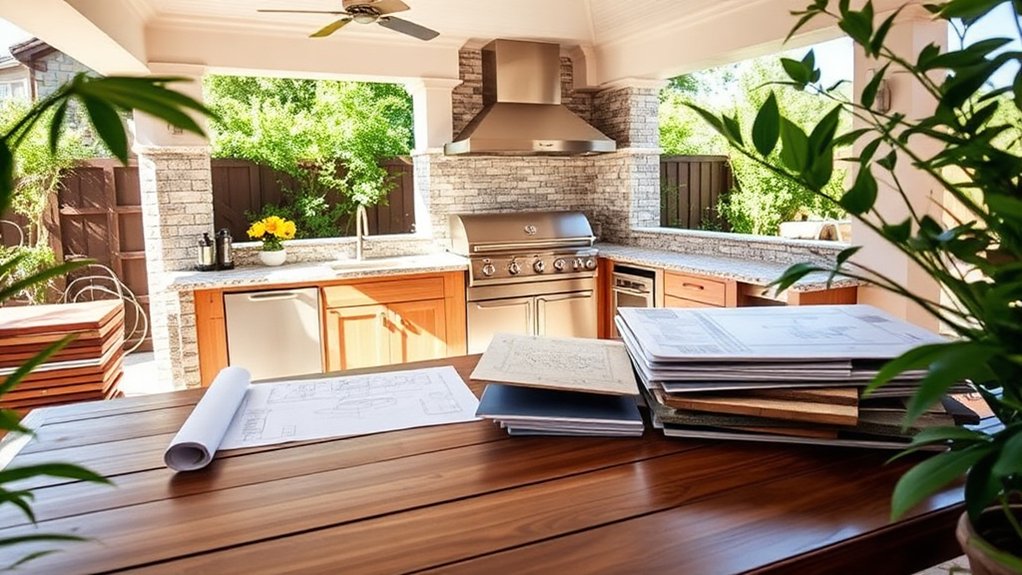
Planning an outdoor kitchen can be exciting, but figuring out how much to budget is often the hardest part. You’re not alone—many people struggle to estimate costs before choosing a layout, materials, or appliances.
An outdoor kitchen can cost from a few thousand dollars to more than $50,000, depending on seven key factors. You’ll pay more for larger layouts, premium materials, and high-end appliances like grills, fridges, and sinks. Plumbing, gas, and electrical runs can also raise costs, especially if your site needs trenching or drainage work. Labor and custom features add even more. Keep going, and you’ll see how each choice shapes your budget.
Key Takeaways
- Size is a major cost driver, with larger outdoor kitchens needing more materials, labor, and utility runs.
- Materials and finishes affect price, since stone, stainless steel, and premium surfaces cost more than basic options.
- Appliances and fixtures raise budgets, especially grills, refrigerators, sinks, and specialty add-ons like pizza ovens.
- Site conditions and layout complexity increase labor costs, including trenching, leveling, drainage, and code-compliant utility routing.
- Plumbing, electrical, and gas planning impact total cost, especially when runs are long or require permits and freeze protection.
How Much Does an Outdoor Kitchen Cost?
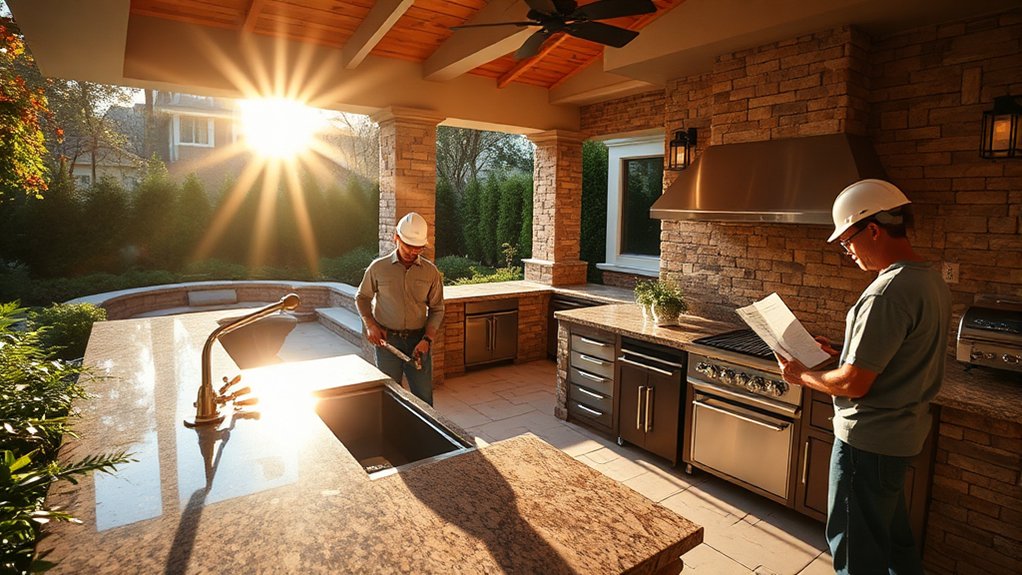
How much does an outdoor kitchen cost? You can spend anywhere from a few thousand dollars for a basic setup to well over $50,000 for a fully customized space. Your total depends on your goals, your site, and the features you choose. A simple layout with a grill, counter space, and storage may fit a modest budget, while a larger design with premium appliances, stone finishes, and plumbing will raise the price fast.
You should start with cost planning so you know what matters most before you buy anything. Build a budgeting strategy that separates must-haves from nice-to-haves, then set limits for each part of the project. That way, you can compare options without overspending.
If you plan carefully, you’ll create an outdoor kitchen that matches your space, supports how you cook, and stays within your financial comfort zone.
What Drives Outdoor Kitchen Costs?
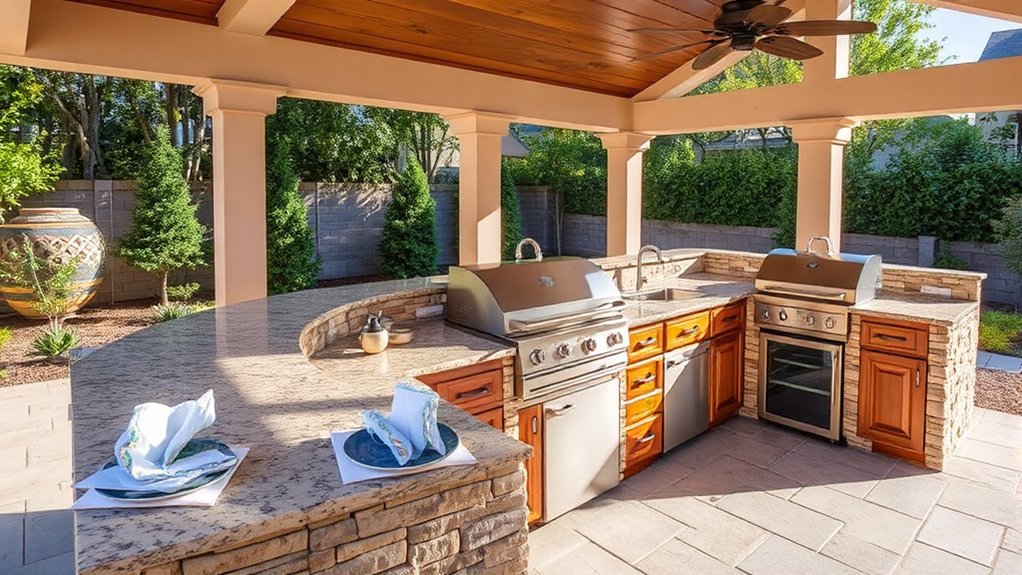
Several key factors drive outdoor kitchen costs, and the biggest ones are size, materials, appliances, and site conditions. You’ll also see changes based on design trends and whether you choose premium finishes or simple essentials.
Energy efficiency can raise upfront prices, but it may lower operating costs over time. The layout you pick, the complexity of hookups, and any custom features can all push the total up.
| Cost Driver | Impact |
|---|---|
| Materials | Basic options cost less than stone or stainless steel |
| Appliances | Grills, fridges, and sinks add different price points |
| Site conditions | Uneven ground or utility access can increase labor |
| Design choices | Modern design trends and energy efficiency upgrades affect totals |
You can control spending by balancing style, performance, and long-term value without overbuilding.
How Does Outdoor Kitchen Cost Change by Size?

Outdoor kitchen costs usually go up with size because larger spaces need more materials, labor, and features. A small kitchen is often the most affordable option. A medium layout gives you more room for counters and appliances, while a large kitchen typically costs the most because it requires more construction and may include extra upgrades.
Small Kitchen Costs
A small outdoor kitchen usually keeps costs on the lower end because you’re working with less square footage, fewer cabinets, and a simpler layout. That makes small costs easier to estimate and helps you stay focused on budget planning before you add any extras.
| Feature | Small Kitchen | Cost Impact |
|---|---|---|
| Counter space | Compact | Lower material use |
| Storage | Minimal | Fewer cabinets |
| Layout | Straight or L-shape | Less labor |
You can often build around the basics: a grill, a prep area, and a sink if you want one. Because the footprint stays tight, you’ll spend less on materials and installation, and you won’t need a large work zone. This size works well when you want function without stretching your budget.
Medium Kitchen Costs
Medium outdoor kitchen costs usually land between a small build and a full custom setup, so you get more room to cook and store supplies without jumping into the highest price range. You’ll often add a larger grill, extra counter space, and better outdoor storage, which raises material and labor costs.
Your budget can also climb when you choose weatherproofing upgrades like sealed cabinets, durable counters, and protective finishes that handle sun, rain, and temperature swings. At this size, you still control the scope by choosing simpler layouts and fewer built-ins.
That makes medium kitchens a practical middle ground if you want comfort, function, and lasting performance without paying for a fully expanded design.
Large Kitchen Costs
Large outdoor kitchens push costs higher because they add more square footage, more built-ins, and more complex installation work. When you plan a large kitchen, you’ll usually need extra framing, countertops, plumbing, electrical runs, and gas lines, which all raise labor and material costs.
You may also choose multiple cooking zones, a sink, refrigeration, and a bar, turning the project into a full kitchen remodel rather than a simple upgrade. Bigger layouts often require stronger foundations and more finish materials, too.
If you want premium appliances or custom stonework, your budget can climb quickly. In many cases, size alone can add thousands, so compare your layout carefully and focus on the features you’ll actually use most often.
How Do Materials Affect Outdoor Kitchen Cost?
Material choices affect your outdoor kitchen’s cost in a few ways. Durable options often cost more upfront, but they can last longer and require less maintenance. Finishes and textures also influence the price, with premium looks and refined surfaces typically costing more. By balancing durability and style, you can find options that suit your budget and space.
Material Durability
Material durability plays a big role in outdoor kitchen cost because tougher materials usually cost more upfront but last longer in harsh weather. When you compare options, look at durability metrics like moisture resistance, heat tolerance, and corrosion resistance so you can judge real value, not just price.
If you choose weaker materials, you’ll likely spend more on repairs and long term maintenance over time. Stone, stainless steel, and concrete typically handle rain, sun, and temperature swings better than cheaper alternatives, so they can reduce replacement costs.
You should think beyond the purchase price and consider how often you’ll need upkeep. Better durability can protect your budget, keep your kitchen usable longer, and help you avoid frequent service calls or premature rebuilding.
Finish And Texture
Finish and texture also affect outdoor kitchen cost because they change both the look and the labor involved. If you choose a smooth, polished surface, you may pay more for custom cutting and finishing, while rougher or more natural looks can cost less to install.
You’ll also see price differences in finish and texture ideas like honed stone, sealed concrete, or brushed metal, since each needs different tools and skill. When you compare options, think about maintenance, slip resistance, and how well the material handles grease, heat, and weather.
These surface treatment considerations can raise or lower your budget depending on whether you want a sleek modern style or a rugged, low-maintenance finish. Choose carefully, and you’ll balance appearance with long-term value.
Which Appliances Affect Outdoor Kitchen Cost Most?
Appliances drive a big share of outdoor kitchen costs, and the biggest price jumps usually come from the grill, refrigerator, sink, and specialty add-ons like pizza ovens or kegerators. You’ll usually spend the most on the main grill, especially if you want high BTU output, durable burners, or a built-in rotisserie.
Grills, refrigerators, sinks, and specialty add-ons drive the biggest outdoor kitchen costs.
Refrigerators add convenience, but stainless outdoor-rated models cost more than basic indoor units. Sinks can seem simple, yet premium fixtures and integrated prep space can push prices up fast.
Specialty pieces like smokers, side burners, warming drawers, and ice makers can quickly expand your budget. When you compare options, focus on appliance efficiency and how each piece supports your cooking zones.
A smart layout can let you cook, chill, and serve without overbuying. If you want to control costs, choose fewer, better appliances instead of packing in every upgrade.
How Much Do Plumbing and Gas Lines Add?
Plumbing and gas lines can add a significant amount to your outdoor kitchen budget, especially if your setup sits far from existing utility connections. You’ll pay more when you need new trenches, pipe runs, shutoff valves, or weatherproof hookups.
Plumbing considerations also matter if you want a sink, ice maker, or dishwasher, since each fixture needs proper drainage and freeze protection. Gas line placement affects both safety and price, because longer routes usually require deeper digging and more materials.
- Shorter runs usually cost less.
- Hard soil can raise digging expenses.
- Permits may add required fees.
- Code-compliant gas line placement protects your investment.
If you’re planning a grill with multiple appliances, ask for a site evaluation early. That way, you can spot hidden utility costs before you commit to a layout or finish.
How Do Labor and Custom Features Raise Costs?
Labor is one of the biggest drivers of outdoor kitchen cost, and custom features can push the price up quickly. You pay for skilled installers, electricians, plumbers, and masons who coordinate each step, and their rates reflect time, experience, and site complexity.
Labor is one of the biggest drivers of outdoor kitchen cost, especially when custom features add complexity.
If your yard needs leveling, trenching, or structural prep, labor considerations climb even higher.
Custom islands, stone veneer, built-in refrigeration, and specialty storage also add hours of design and fabrication. The more your layout departs from standard kits, the more you’ll spend on measurements, cuts, and finishes.
Your customization options can improve function and style, but they often require custom framing, weatherproofing, and precise appliance fitment.
If you want to control costs, choose simpler materials, limit unique shapes, and bundle features into one efficient build. You’ll still get a great outdoor kitchen, but you won’t overpay for unnecessary complexity.
Frequently Asked Questions
How Long Does an Outdoor Kitchen Installation Usually Take?
You can usually expect your outdoor kitchen installation to take one to three weeks, depending on the design, permits, and prep work. If you’ve got a simple layout, you might finish faster; a custom build can take longer.
Your contractor will handle framing, utilities, and appliance hookups, so delays can happen. Keep idea1 and idea2 in mind when planning, because site conditions and material availability can also affect the schedule.
Do Outdoor Kitchens Require Permits or Inspections?
Yes, you’ll often need permits required for an outdoor kitchen, especially if you’re adding gas, electrical, plumbing, or a permanent structure. You may also have inspections needed during and after the work to confirm everything meets local codes.
You should check with your city or county before you start, since rules vary. If you skip permits, you could face fines, delays, or problems when you sell your home.
What Maintenance Costs Should I Expect Yearly?
You’ll probably spend less keeping your outdoor kitchen pristine than you did building it. How delightfully optimistic. Budget around $200 to $800 a year, depending on materials, climate, and how often you cook outside.
Expect annual upkeep like cleaning grills, sealing stone, checking gas lines, replacing covers, and servicing appliances. If you ignore small repairs, they’ll multiply fast and cost you far more later.
Can Outdoor Kitchens Increase Home Resale Value?
Yes, you can boost your home’s resale value with an outdoor kitchen. You’ll usually see stronger buyer interest, especially if your space feels functional and stylish.
The resale impact depends on your neighborhood, materials, and layout, but a well-designed setup can add outdoor value and make your property stand out. You shouldn’t expect every dollar back, yet you can often improve appeal and support a higher asking price overall.
What Are the Best Ways to Save Money on Installation?
You can save money on installation by keeping the design simple, choosing modular components, and handling some prep work yourself. Compare multiple bids, buy during off-season sales, and use durable midrange materials instead of premium finishes.
These cost saving strategies help you avoid overspending. If upfront costs still strain your budget, look into installation financing, but make sure the payments fit comfortably so you don’t pay more than you need.
Conclusion
So, when you’re figuring out how much an outdoor kitchen costs, remember that size, materials, appliances, utilities, labor, and custom touches all push the price up or down. A small setup might feel manageable, but a fully equipped space can quickly surprise you.
In fact, one well-built outdoor kitchen can add the kind of appeal that makes your backyard feel more inviting, functional, and ready for summer gatherings. Considering these factors can help you determine how much an outdoor kitchen costs.