5 Key Factors Affecting How Much to Remodel a Kitchen
Planning a kitchen remodel can feel overwhelming when costs vary so much from one project to the next. You’re not alone—many homeowners struggle to figure out where the budget goes and what…
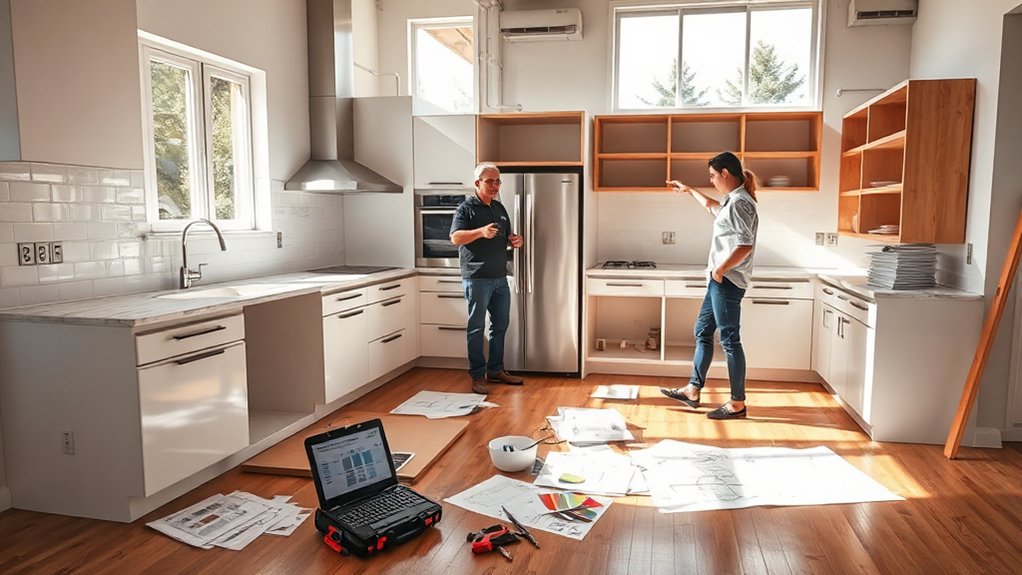
Planning a kitchen remodel can feel overwhelming when costs vary so much from one project to the next. You’re not alone—many homeowners struggle to figure out where the budget goes and what choices will have the biggest impact. Understanding the key factors affecting how much to remodel a kitchen can help you plan with confidence.
Five key factors drive how much you’ll spend to remodel a kitchen: layout, materials, size, appliances, and labor. Changing the layout can mean rerouting plumbing, wiring, and vents, while premium finishes like quartz, solid wood cabinets, and porcelain tile quickly raise material costs.
Bigger kitchens need more flooring and trim, and appliance upgrades add complexity. Labor, permits, and hidden repairs can also increase your budget fast, so it helps to know what affects costs most.
Key Takeaways
- Layout changes increase costs by requiring rerouted wiring, plumbing, vents, permits, and possible design work.
- Premium materials and finishes, like quartz, custom cabinets, and porcelain tile, significantly raise remodeling costs.
- Larger kitchens cost more because they need more labor, flooring, drywall, paint, trim, and finishing work.
- Appliance upgrades and system updates add expense, especially for built-in models and licensed electrical or plumbing work.
- Labor, hidden damage, and contingencies affect the final price through repairs, coordination, and unexpected demolition issues.
What Makes Kitchen Remodel Costs Go Up?

Kitchen remodel costs go up when you change the layout, upgrade to pricier materials, or add custom features that take more time and labor to install. You’ll also pay more when you choose higher-end finishes, specialty cabinets, or detailed tile work that requires skilled installation.
If your project includes appliance upgrades, expect the budget to climb, especially when you move to built-in, professional-grade, or panel-ready models. Electrical and plumbing updates can add expense too, since they often need licensed pros and permit fees.
Even minor design tweaks can raise costs if they affect cabinet placement, lighting, or countertop cuts. The more custom your choices, the fewer shortcuts you can use, and that means more labor hours.
To keep spending under control, decide early where you want to splurge and where standard options will work.
How Kitchen Size Changes the Budget?

How much does kitchen size affect your remodel budget? It matters a lot because your kitchen footprint sets the amount of flooring, drywall, paint, and trim you’ll need. A bigger room also needs more labor hours, which can push costs higher fast. When you choose cabinets and appliances, the equipment scale should match the space, and larger items usually cost more.
- More square footage means more materials.
- Bigger cabinets and counters increase product costs.
- Extra surfaces take longer to install and finish.
- A compact kitchen can keep spending tighter.
You’ll usually spend less per square foot in a small kitchen, but total costs can still rise if you pick premium finishes. In a large kitchen, even modest upgrades add up because every item covers more area. Focus on the size you have, then price each element against it.
Why Layout Changes Raise Remodeling Costs?

Even if your kitchen footprint stays the same, changing the layout can quickly push costs up. When you move the sink, stove, or refrigerator, you’re not just rearranging cabinets—you’re asking the crew to reroute wiring, vents, and gas lines, which takes more labor and coordination.
Layout changes often mean demo work that goes deeper than a simple refresh, because walls, floors, and ceilings may need repair after the new plan is set. Plumbing relocation is especially expensive when you shift a sink or dishwasher across the room, since pipes must be extended, patched, and tested for leaks.
You may also need permits and inspections, which add time and fees. Even small adjustments can trigger extra design work to make sure everything fits safely and meets code.
If you want to control spending, keep major fixtures close to their original spots and save big layout changes for only when they truly improve how you cook and move.
How Materials Affect Kitchen Remodel Cost?
Materials can swing your kitchen remodel budget more than almost anything else, from cabinets and countertops to flooring, backsplash tile, and fixtures. When you choose premium finishes, your materials cost rises fast, but you also get more style and often better material durability.
Premium kitchen finishes can quickly raise costs, but they also deliver more style and lasting durability.
You can balance price and performance by mixing high-end statement pieces with simpler essentials. For example:
- Quartz or granite countertops cost more than laminate, but they resist wear better.
- Solid wood cabinets usually outlast particleboard options and add value.
- Porcelain tile often costs more than vinyl, yet it handles moisture well.
- Brass or stainless fixtures can cost more upfront, but they hold up longer.
You should compare samples, warranties, and maintenance needs before you buy. Cheaper materials may look fine now, but they can chip, stain, or fade sooner, forcing you to replace them earlier.
Choose smartly, and you’ll control your remodel budget without sacrificing the look you want.
How Labor and Repairs Add to the Bill?
Labor often takes a bigger bite out of your kitchen remodel budget than you expect, especially when plumbing, electrical, or structural work is involved. You’ll pay for skilled tradespeople, permits, and the time it takes to coordinate each step.
Labor costs rise when your kitchen needs custom fitting, tile work, cabinet installation, or last-minute changes that slow the crew. If contractors uncover hidden damage, the repair impact can jump fast. Rotting subfloors, outdated wiring, mold, or leaky pipes all add extra hours and materials.
You can control some of these expenses by getting detailed bids, asking what’s included, and planning ahead before demolition starts. Keep a contingency fund so surprise repairs don’t derail your project.
When you understand how labor and repairs shape the total, you can set a smarter budget and avoid costly shocks later.
Frequently Asked Questions
How Long Does a Kitchen Remodel Usually Take?
You can usually expect a kitchen remodel to take 6 to 12 weeks, though bigger projects can stretch to several months. You’ll want to factor in timelines considerations like design changes, material delays, and subcontractor scheduling. Permitting processes can also add time, especially if you’re moving plumbing or electrical lines. If you plan ahead and stay flexible, you’ll keep the project moving and avoid unnecessary delays.
Do I Need Permits for a Kitchen Remodel?
Yes, you usually do need permits for a kitchen remodel, especially if you’re changing plumbing, electrical, or walls. It can feel like traversing a mountain of paperwork, but it’s worth it.
You should check permits vs codes with your local building office, because rules vary. Plan for inspection timing too, since that can affect your schedule. If you’re only updating finishes, you might not need one.
Can I Live in My Home During the Remodel?
Yes, you can usually live in your home during the remodel, but it depends on the project’s size and your tolerance for disruption. You’ll need to manage dust, noise, and limited access to water and appliances. If you’ve got major demolition or electrical work, you may face safety concerns. Plan a temporary kitchen, protect kids and pets, and talk with your contractor about living during remodel options and timelines.
What Financing Options Are Available for Kitchen Renovations?
You can fund a kitchen renovation with personal loans, home equity loans, HELOCs, cash-out refinancing, or contractor financing. About 70% of homeowners use financing for major upgrades, so you’re not alone.
Compare financing options by interest rate, fees, and loan terms before you choose. If you have strong equity, a HELOC may give you flexibility, while a personal loan can help if you don’t want to use your home as collateral.
How Do I Choose the Right Contractor?
You should choose contractor by checking licenses, insurance, references, and past kitchen projects. Compare detailed bids, not just prices, so you can judge quality and scope. Ask how they’ll handle timeline, permits, and communication.
Make sure their style fits your vision and your budget allocation. Trust your instincts, but verify everything in writing. A good contractor will answer clearly, respect your goals, and keep your remodel on track.
Conclusion
In the end, you’ll see your kitchen remodel cost rise or fall like a tide, shaped by size, layout, materials, labor, and repairs. A small change can ripple outward, just like a dropped spoon sending circles across a still sink.
When you weigh each factor carefully, you’ll make smarter choices and keep your budget steady. That way, you won’t just remodel your kitchen; you’ll shape a space that fits your life and your wallet.